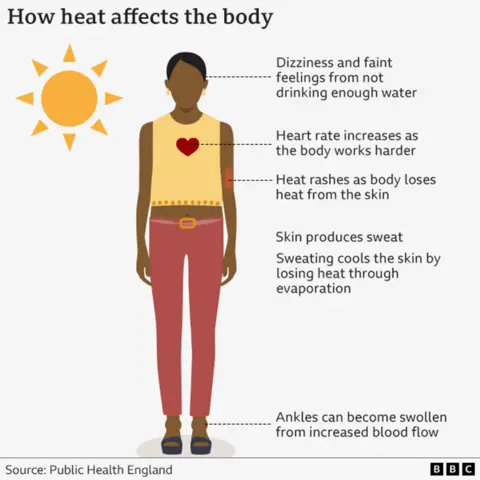

Summer brings bright sunshine, hot winds, and rising temperatures. While warm weather feels nice, extreme heat can put extra stress on the body. To stay healthy, it’s important to understand how summer affects us and what changes happen inside our body when the temperature goes up.
1. Dehydration
In summer, the body sweats more to stay cool. This leads to loss of water and minerals.
Common symptoms:
- Dry mouth
- Headache
- Dizziness
- Weakness
Staying hydrated is the most important summer rule.
2. Risk of Heat Stroke
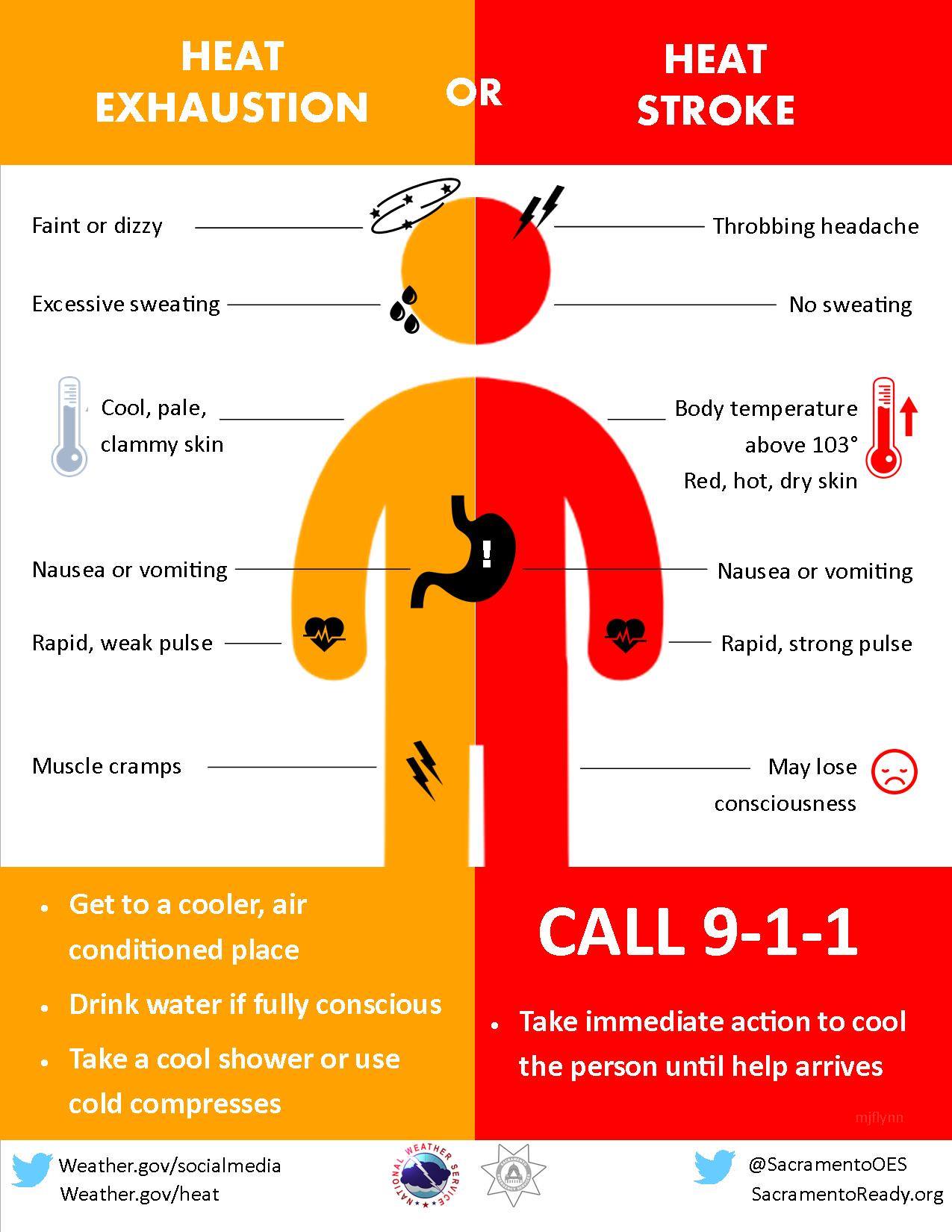
When the body becomes too hot and cannot cool down, heat stroke can occur. This is a medical emergency.
Symptoms:
- High fever
- Vomiting
- Confusion
- Fainting
3. Skin Problems (Sunburn & Heat Rashes)
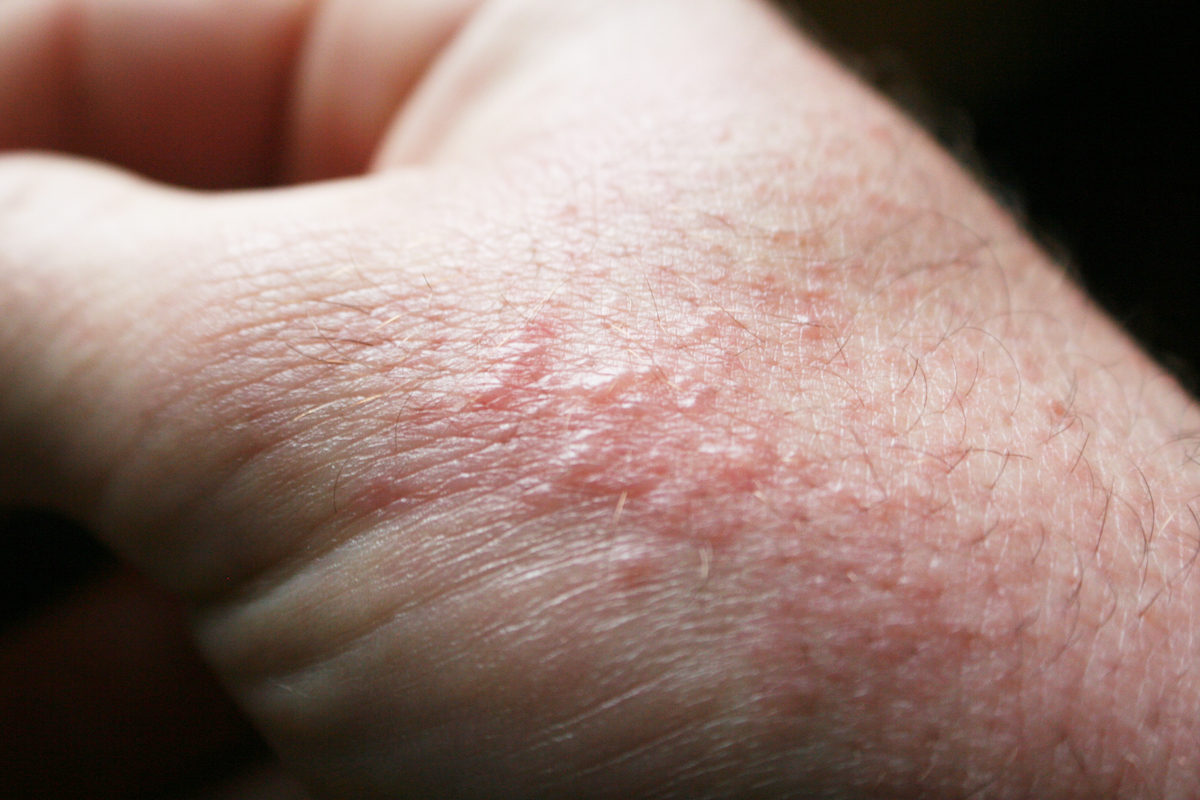
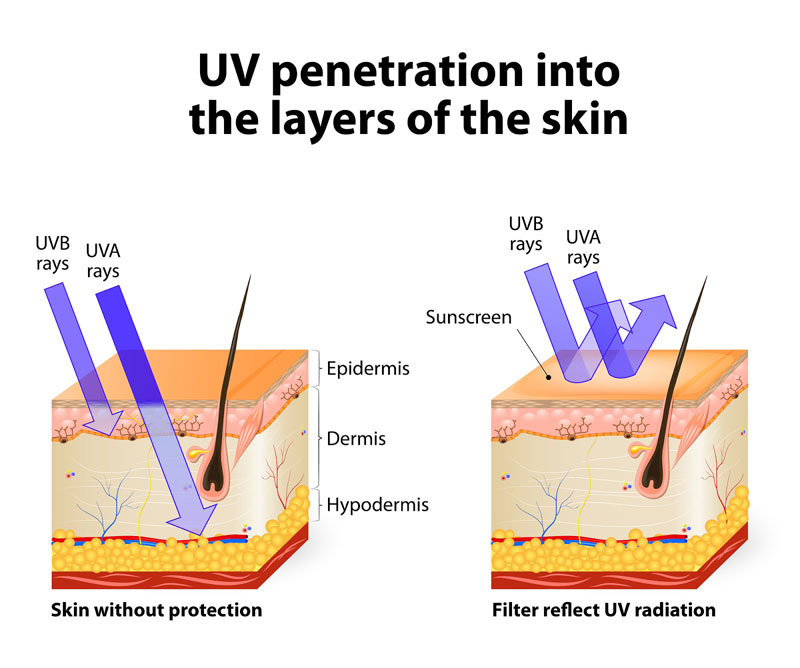
UV rays in summer can damage the skin, causing sunburn. Excessive sweating can also lead to heat rashes and irritation.

4. Weak Digestion
Hot weather slows down the digestive system. Food spoils faster in summer, increasing chances of indigestion and food poisoning.
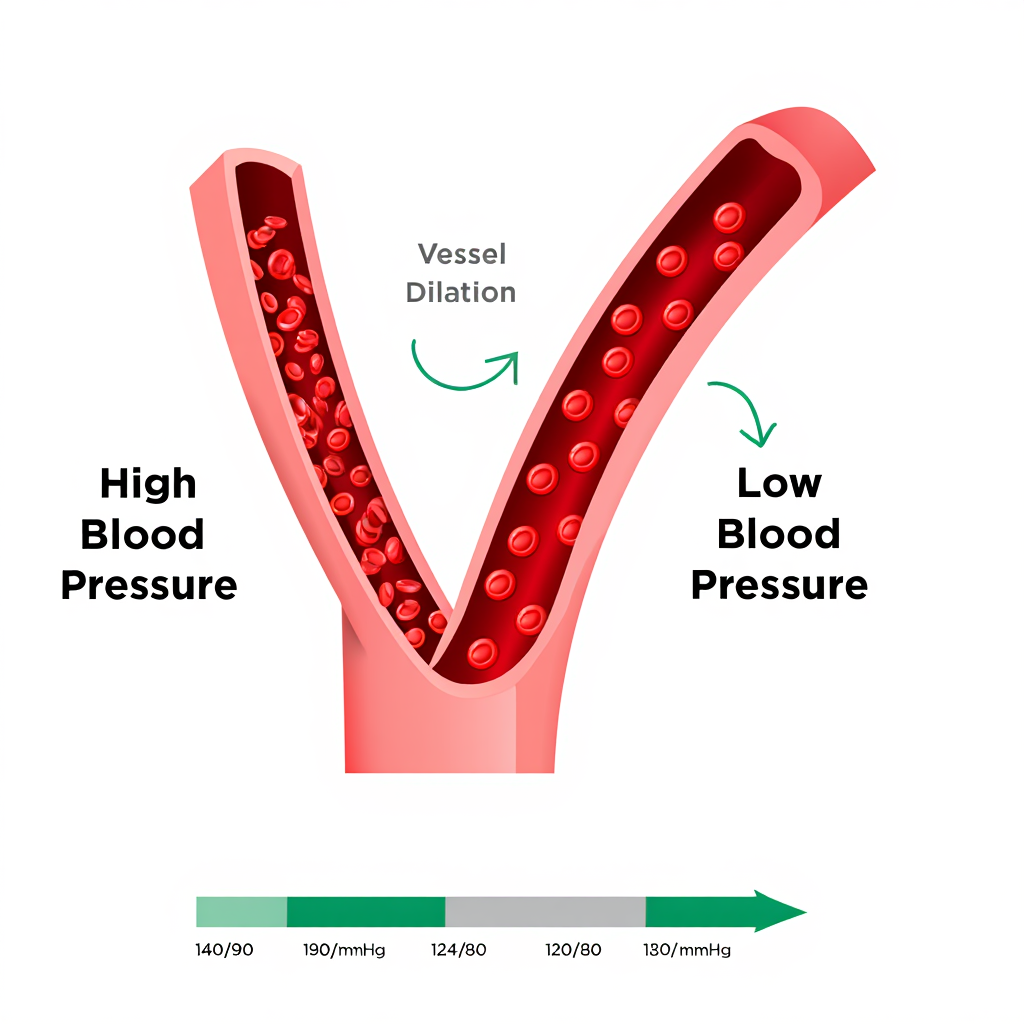
5. Low Blood Pressure
Heat causes blood vessels to widen. This can lower blood pressure, making you feel dizzy or tired.
6. Tiredness and Fatigue
The body uses extra energy to maintain a normal temperature. This makes you feel tired quickly in summer.
7. Mood and Sleep Problems
Excess heat and humidity disturb sleep patterns. Poor sleep can lead to irritability, low mood, and stress.

Final Thoughts
Summer affects the body in many ways—from dehydration to skin damage. Staying hydrated, eating light meals, using sunscreen, and avoiding peak heat hours can help your body stay healthy and balanced all season.