Author: admin

  • Dry Eyes Problem: Causes and Easy Solutions

    https://www.reviewofoptometry.com/CMSImagesContent/2017/10/046_ro1017_f2-7.jpg

    https://www.kadrmaseyecare.com/uploads/4/4/9/4/44949931/irritated-eyes_orig.jpg

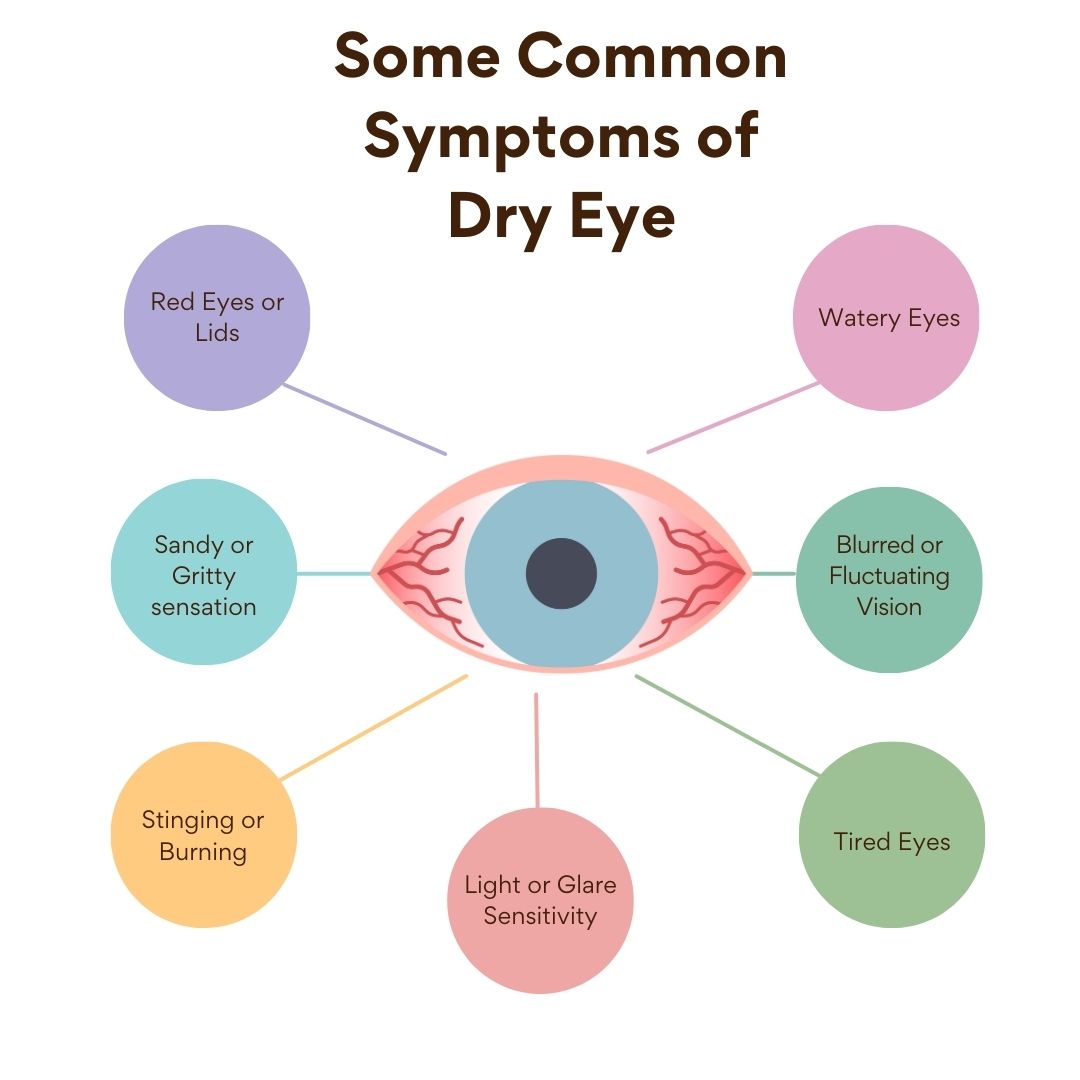
    https://trinityhillseyecare.ca/wp-content/uploads/2023/12/Some-Common-Symptoms-of-Dry-Eye.jpg

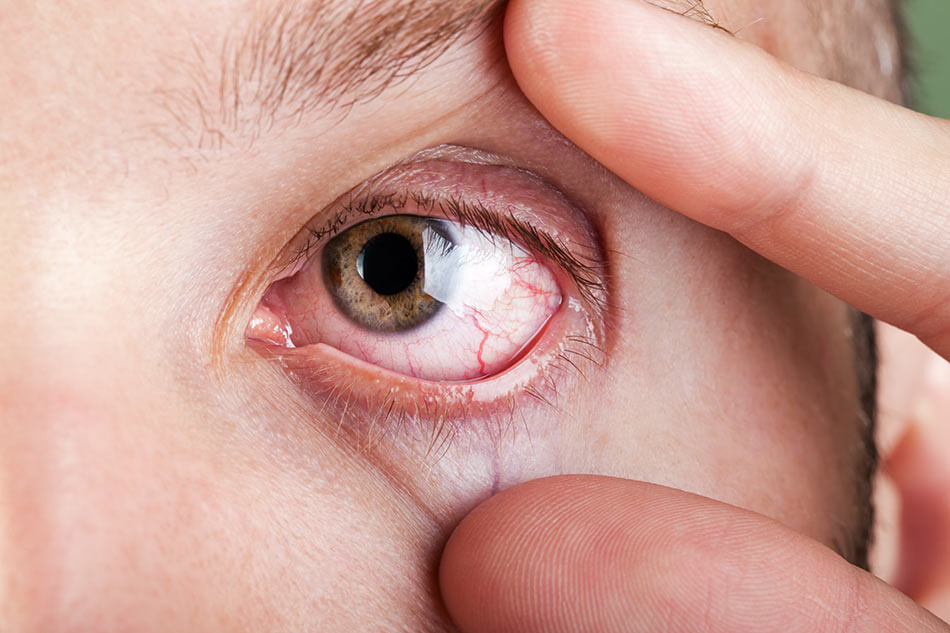
    Dry eyes are very common, especially in winter or if you spend long hours on mobile and laptop screens. It can cause itching, burning, redness, heaviness, or watery eyes. With the right daily care, you can reduce dryness and keep your eyes comfortable.


    ⭐ 1. Warm Compress

    Dip a clean cloth in warm water, squeeze it, and place it on your closed eyes for 5 minutes.
    This helps open oil glands and increases natural moisture.


    ⭐ 2. Reduce Screen Time

    Staring at screens for too long decreases blinking and causes dryness.
    Use the 20-20-20 rule:
    Every 20 minutes, look at something 20 feet away for 20 seconds.


    ⭐ 3. Use Lubricating Eye Drops

    Artificial tear drops help keep your eyes moist.
    (Use regularly only after doctor advice.)

    https://m.media-amazon.com/images/I/81g2wUQpcPL.jpg

    https://emcfresno.com/wp-content/uploads/computer-vision-syndrome-emc.jpg


    ⭐ 4. Maintain Moisture in Your Room

    Winter air is dry. Use a humidifier or keep a bowl of water in the room to add moisture to the air.


    ⭐ 5. Drink Enough Water

    Dehydration can make your eyes dry.
    Drink 6–8 glasses of water daily.


    ⭐ 6. Protect Eyes from Wind & Dust

    Wear sunglasses outdoors to prevent cold wind and dust from irritating your eyes.


    ⭐ 7. Get Proper Sleep

    Sleep is essential for eye hydration and healing.
    Aim for 7–8 hours every night.


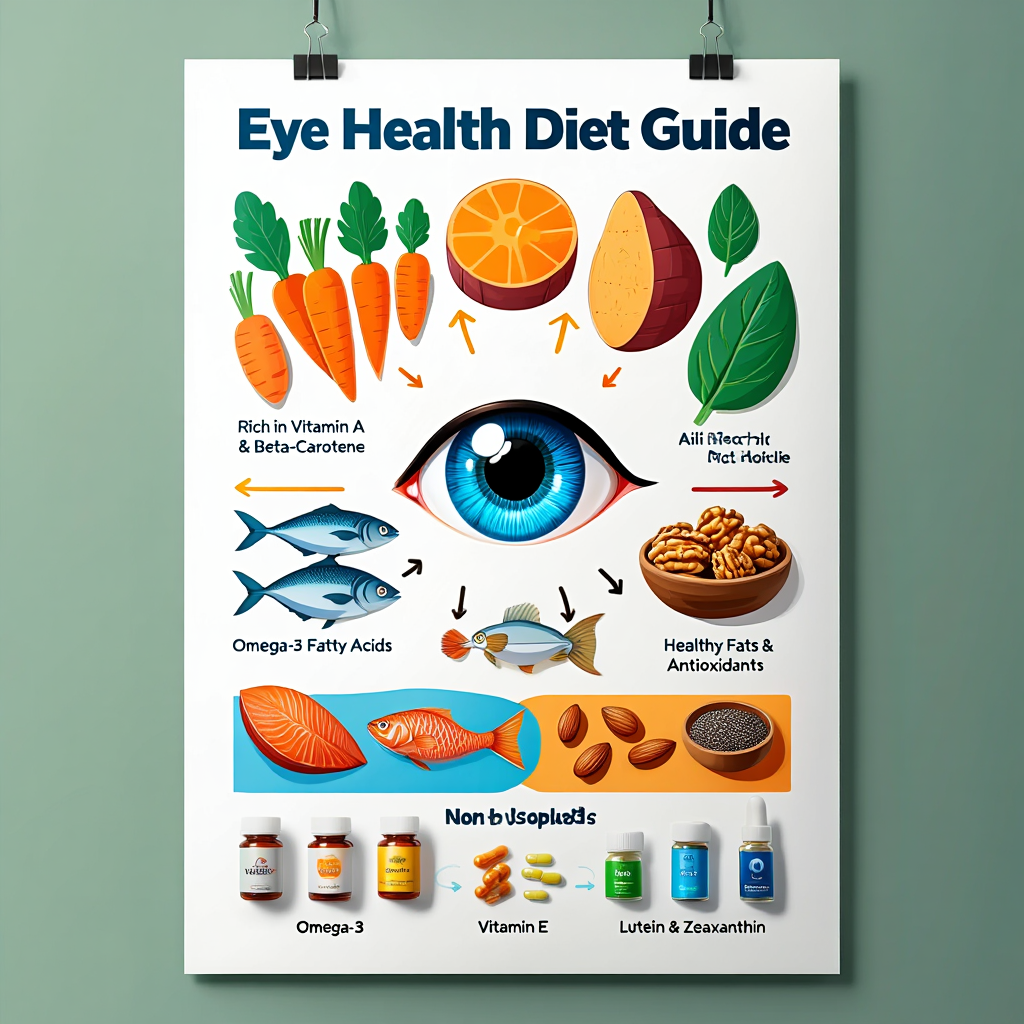
    ⭐ 8. Eat Omega-3 Rich Foods

    These improve natural oil production in your eyes.
    Include:

    • Walnuts
    • Flaxseeds
    • Almonds
    • Fish oil (if recommended by a doctor)


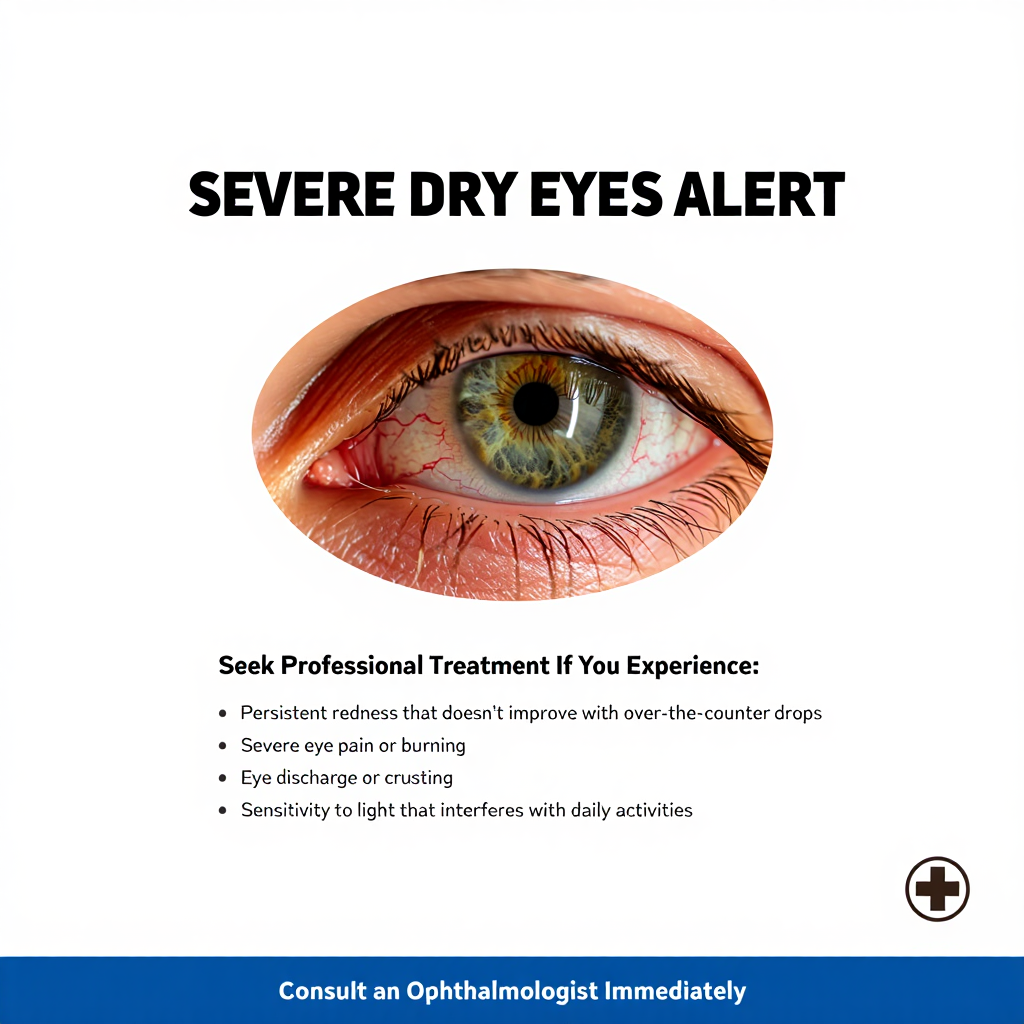
    ❗ When to See a Doctor

    Visit an eye specialist if you experience:

    • Persistent burning
    • Severe dryness
    • Blurred vision
    • Pain
    • Sensitivity to light

    These may need medical treatment.

    Final Thoughts

    Dry eyes can be managed easily with good habits—warm compress, reduced screen time, hydration, and eye-safe routines. With consistent care, your eyes will feel healthy, refreshed, and moist again.
    Go back

    Your message has been sent

    Warning
    Warning
    Warning
    Warning.

  • How Does Summer Affect the Body?

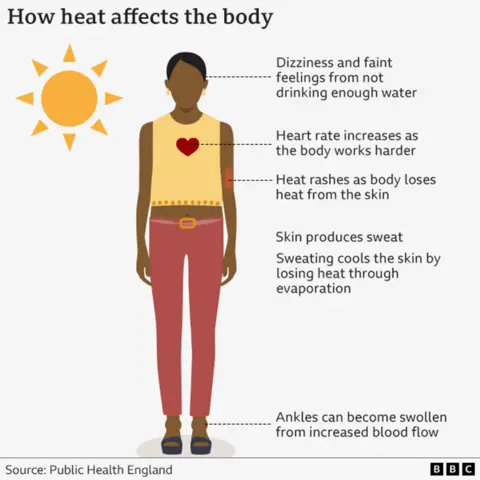
    https://ichef.bbci.co.uk/news/480/cpsprodpb/c146/live/09cc7320-4b86-11f0-a466-d54f65b60deb.png.webp

    https://uamscaregiving.org/pinebluff/files/2019/07/67318307_10157340895613149_613165023123996672_o-1.jpg

    https://www.oshaoutreachcourses.com/blog/wp-content/uploads/2021/07/Heat-Stress-blog-3.webp

    Summer brings bright sunshine, hot winds, and rising temperatures. While warm weather feels nice, extreme heat can put extra stress on the body. To stay healthy, it’s important to understand how summer affects us and what changes happen inside our body when the temperature goes up.


    1. Dehydration

    In summer, the body sweats more to stay cool. This leads to loss of water and minerals.
    Common symptoms:

    • Dry mouth
    • Headache
    • Dizziness
    • Weakness

    Staying hydrated is the most important summer rule.


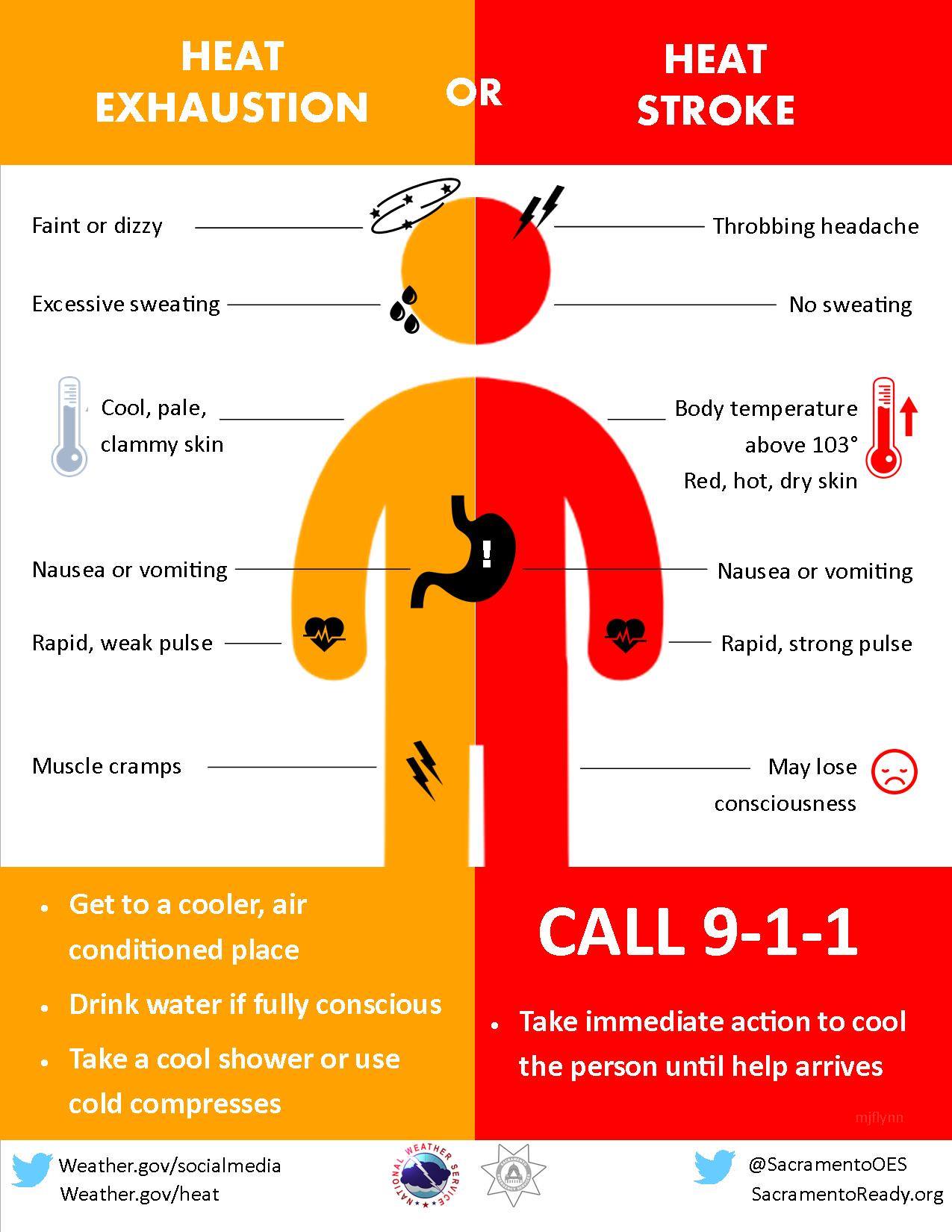
    2. Risk of Heat Stroke

    When the body becomes too hot and cannot cool down, heat stroke can occur. This is a medical emergency.
    Symptoms:

    • High fever
    • Vomiting
    • Confusion
    • Fainting

    3. Skin Problems (Sunburn & Heat Rashes)

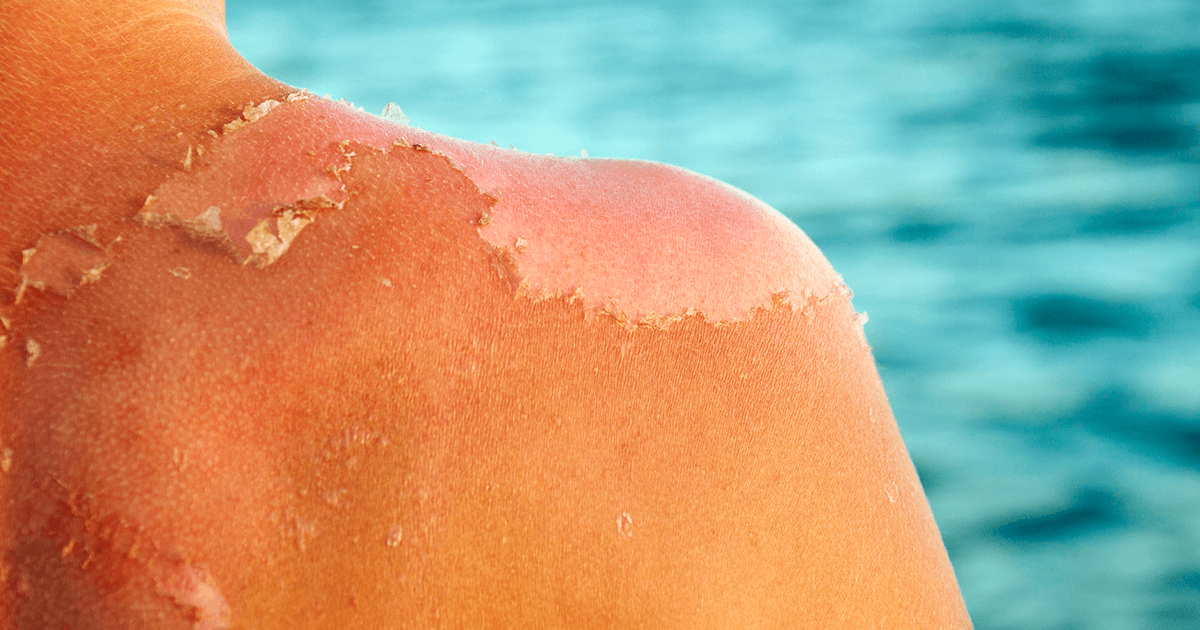
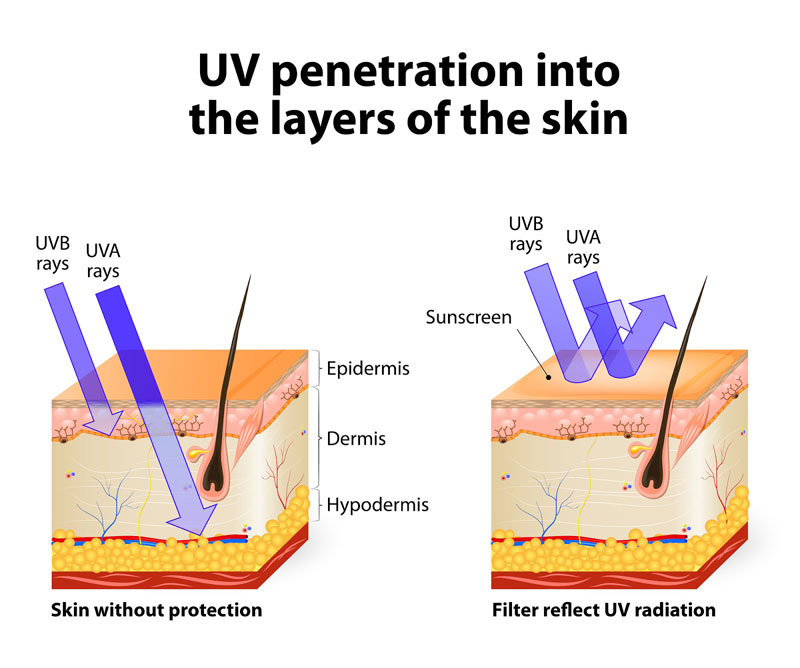
    UV rays in summer can damage the skin, causing sunburn. Excessive sweating can also lead to heat rashes and irritation.
    https://www.mclaren.org/Uploads/Public/Images/news/sunburn-story-1200x630.png
    https://healthnewshub.org/wp-content/uploads/2019/05/Newspoisonoakrashfeatered.jpg
    https://www.aimatmelanoma.org/wp-content/uploads/uv-penetration-into-layers-of-the-skin.jpg

    4. Weak Digestion

    Hot weather slows down the digestive system. Food spoils faster in summer, increasing chances of indigestion and food poisoning.


    5. Low Blood Pressure

    Heat causes blood vessels to widen. This can lower blood pressure, making you feel dizzy or tired.


    6. Tiredness and Fatigue

    The body uses extra energy to maintain a normal temperature. This makes you feel tired quickly in summer.


    7. Mood and Sleep Problems

    Excess heat and humidity disturb sleep patterns. Poor sleep can lead to irritability, low mood, and stress.


    Final Thoughts

    Summer affects the body in many ways—from dehydration to skin damage. Staying hydrated, eating light meals, using sunscreen, and avoiding peak heat hours can help your body stay healthy and balanced all season.

    Go back

    Your message has been sent

    Warning
    Warning
    Warning
    Warning.
  • The Health Risks of Wearing Too Much Cold Weather Gear

    https://tlc.sndimg.com/content/dam/images/tlc/tlcme/fullset/2022/january/rx_baby%20in%20layered%20winter%20coats.jpg.rend.hgtvcom.406.271.suffix/1641571171667.jpeg

    https://velofem.com/wp-content/uploads/2016/01/randy-snow-suit-a-christmas-story-2.jpg?h=300&w=248

    https://upload.wikimedia.org/wikipedia/commons/thumb/b/bc/BAScoldweatherclothing.jpg/960px-BAScoldweatherclothing.jpg

    When temperatures drop, we naturally reach for warm jackets, scarves, and multiple layers. But wearing too many winter clothes can be harmful to your body. While staying warm is important, over-layering can create unexpected health risks. Here’s why dressing “too warm” can actually make you feel worse in cold weather.


    1. Overheating of the Body

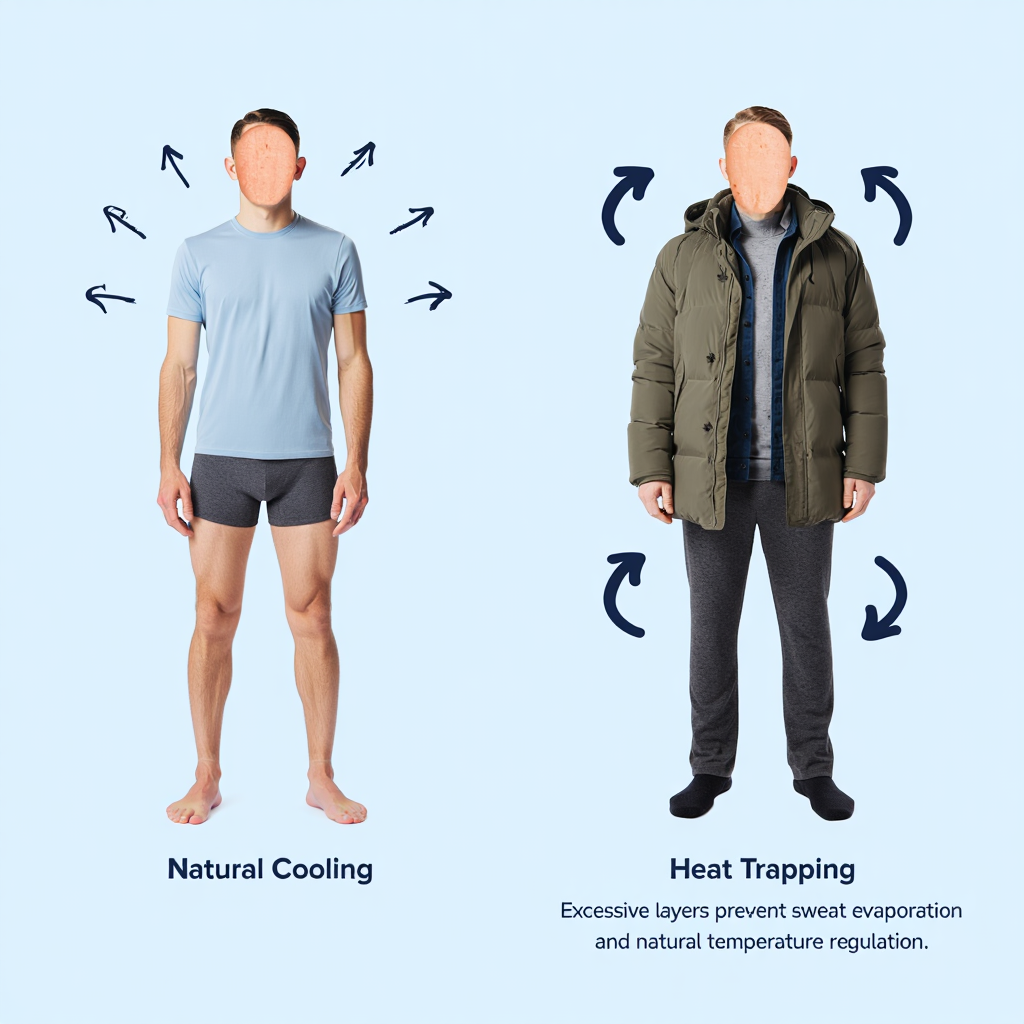
    Wearing excessive layers traps heat and prevents your body from cooling itself naturally. This can lead to:


        • Excess sweating

        • Fatigue

        • Dizziness

        • Weak immunity

      Your body needs a balance—not extreme warmth.


      2. Sweat Getting Trapped

      Too many clothes cause sweating, even in cold weather.
      When sweat gets trapped inside layers, it cools down and can make you feel colder afterward, increasing the risk of:


          • Cold and cough

          • Fever

          • Throat infections

        https://cdn11.bigcommerce.com/s-zpm3yf7t7h/product_images/uploaded_images/sweating-when-cold.jpg

        https://imagedelivery.net/N5DClaEamsT7gg5iIVzJjQ/c30eb9e0-7559-4705-75ad-08962f117d00/BlogImage

        https://health.cornell.edu/sites/health/files/inline-images/CDC-frostbite-image.jpg


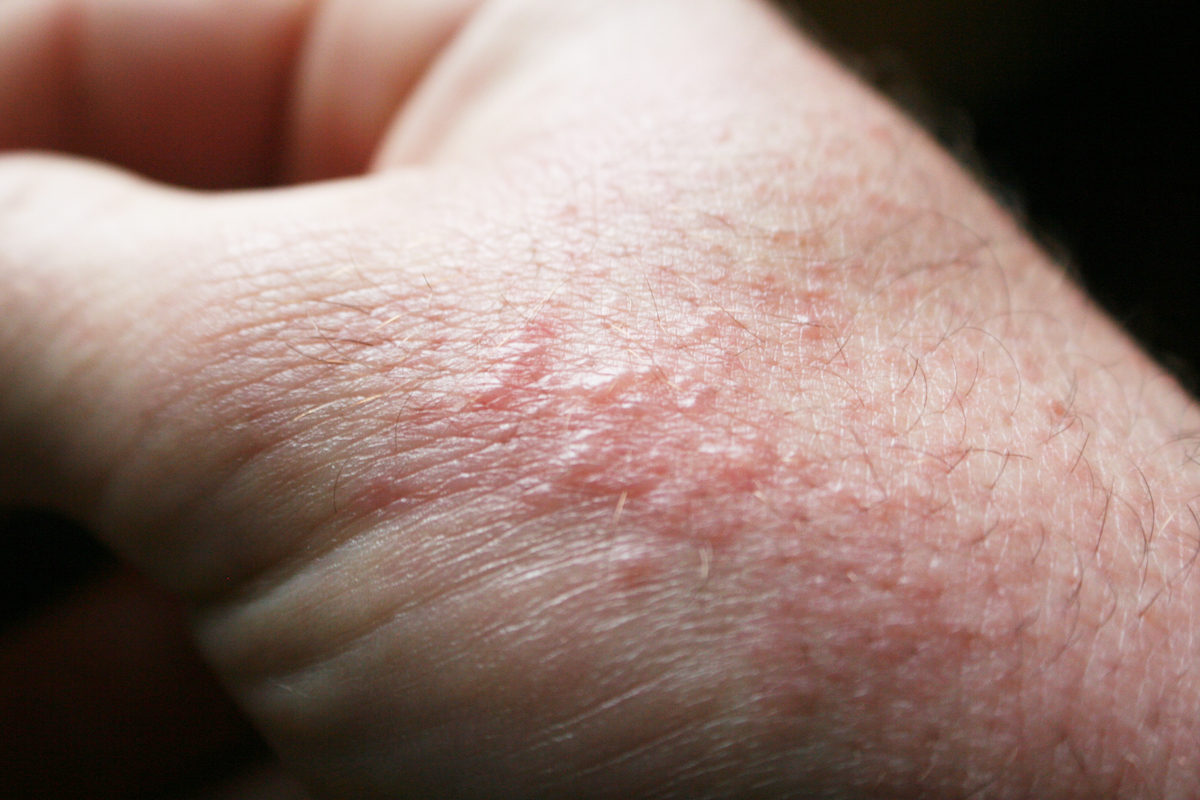
        3. Skin Problems

        Heavy winter clothing prevents your skin from breathing properly. This can cause:


            • Itching

            • Rashes

            • Dryness

            • Red patches

          Skin irritation increases when sweat mixes with tight, thick fabrics.


          4. Poor Temperature Regulation

          Your body naturally regulates temperature. Overdressing interferes with this process, making you feel uncomfortable, tired, or even feverish.


          5. Reduced Mobility and Fatigue

          Wearing too many layers can feel heavy and restrictive. This leads to:


              • Difficulty moving

              • Faster tiredness

              • Shortness of breath

              • Body stiffness

            It becomes harder to walk, work, or stay active.


            The Right Way to Dress in Winter

            To stay warm without harming your health:


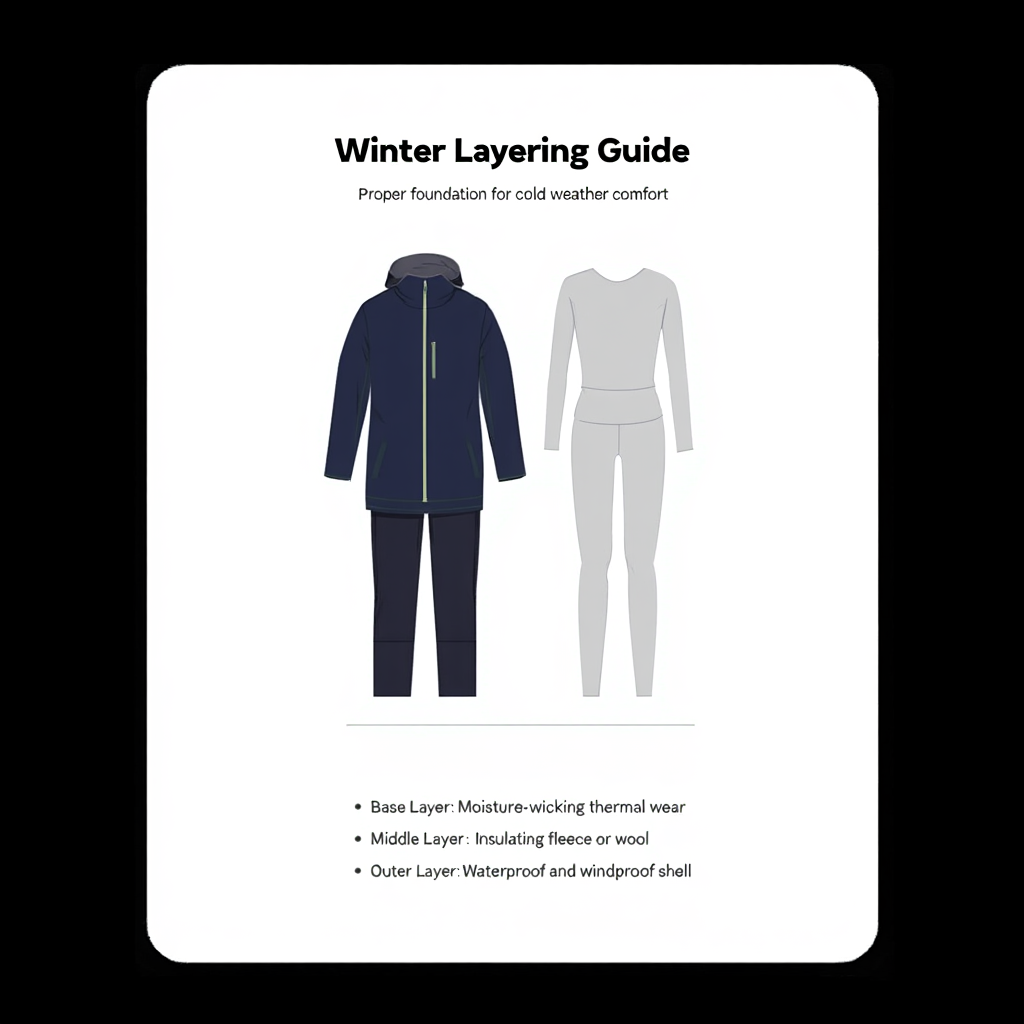
                • Wear 2–3 layers, not 5–6

                • Use the layering method: base layer + warm layer + jacket

                • Remove a layer if you start sweating

                • Wear lighter clothes indoors

                • Choose breathable fabrics like cotton and wool


              Final Thoughts

              Winter clothing is essential, but too much of it can cause overheating, skin issues, and discomfort. Smart, balanced layering keeps your body warm, safe, and comfortable throughout the season.

              Go back

              Your message has been sent

              Warning
              Warning
              Warning
              Warning.

            • Why You Shouldn’t Shower in Winter

              https://www.phitsanulok-hospital.com/stocks/news/o0x0/38/wd/38wd2xiwy1j/%E0%B8%AD%E0%B8%B2%E0%B8%9A%E0%B8%99%E0%B9%89%E0%B8%B3%E0%B8%AD%E0%B8%B4%E0%B9%89%E0%B8%87.png

              https://geimshospital.com/wp-content/uploads/2025/03/auSAMJOb-AdobeStock_416637566-jpeg.webp

              https://www.thighsociety.com/cdn/shop/articles/Winter-Self-Care-2179953.jpg?v=1755875920

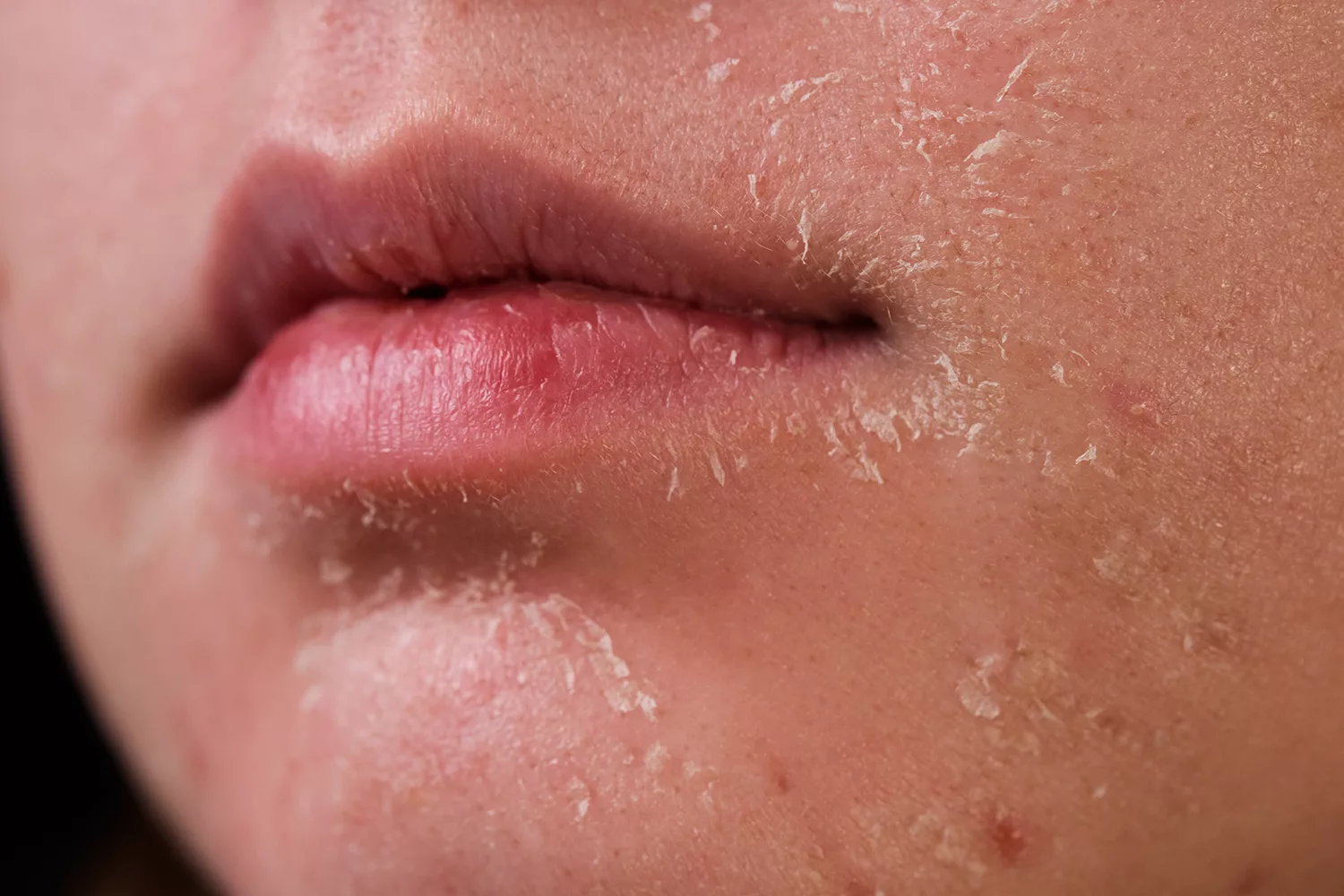
              Winter brings cold winds, low humidity, and dry air. While showers feel warm and relaxing, bathing too frequently—especially with hot water—can actually harm your skin, hair, and overall health during the cold season. Here’s why cutting back on showers in winter is often recommended:


              1. Hot Water Strips Natural Oils

              In winter, your skin already struggles to hold moisture.
              Frequent hot showers remove the skin’s natural oils even faster, leading to:

              • Dryness
              • Flaky skin
              • Itching
              • Redness

              This can make conditions like eczema and dermatitis worse.


              2. Causes Dry, Frizzy, and Weak Hair

              Hot winter showers can dry out your scalp and damage hair cuticles.
              Results include:

              • Dandruff
              • Hair fall
              • Frizz
              • Split ends

              Less showering helps keep scalp oils balanced.


              3. Weakens Your Skin Barrier

              Frequent showers disrupt the skin’s protective barrier, making it:

              • More sensitive
              • More prone to infections
              • More easily irritated

              A strong barrier is essential during cold weather.


              https://st1.thehealthsite.com/wp-content/uploads/2024/11/Winter-Itch.jpg
              https://clinicexpert.com/wp-content/uploads/2020/11/does-hot-water-damage-your-hair.jpg
              https://cdn.shopify.com/s/files/1/0014/6774/4303/files/Screenshot_2025-02-14_at_3.53.49_pm.png?v=1739756687

              4. Increases Risk of Cold or Flu

              Stepping out of a hot shower into cold air can cause sudden temperature changes that stress the body.
              This doesn’t directly cause illness, but it weakens immunity and makes you more vulnerable to winter infections.


              5. Low Humidity Makes Skin Dry Faster

              In winter, there’s less moisture in the air.
              After a shower, moisture evaporates quickly from the skin, making it extra dry.


              How Often Should You Shower in Winter?

              Most dermatologists recommend:

              • Shower 3–4 times per week
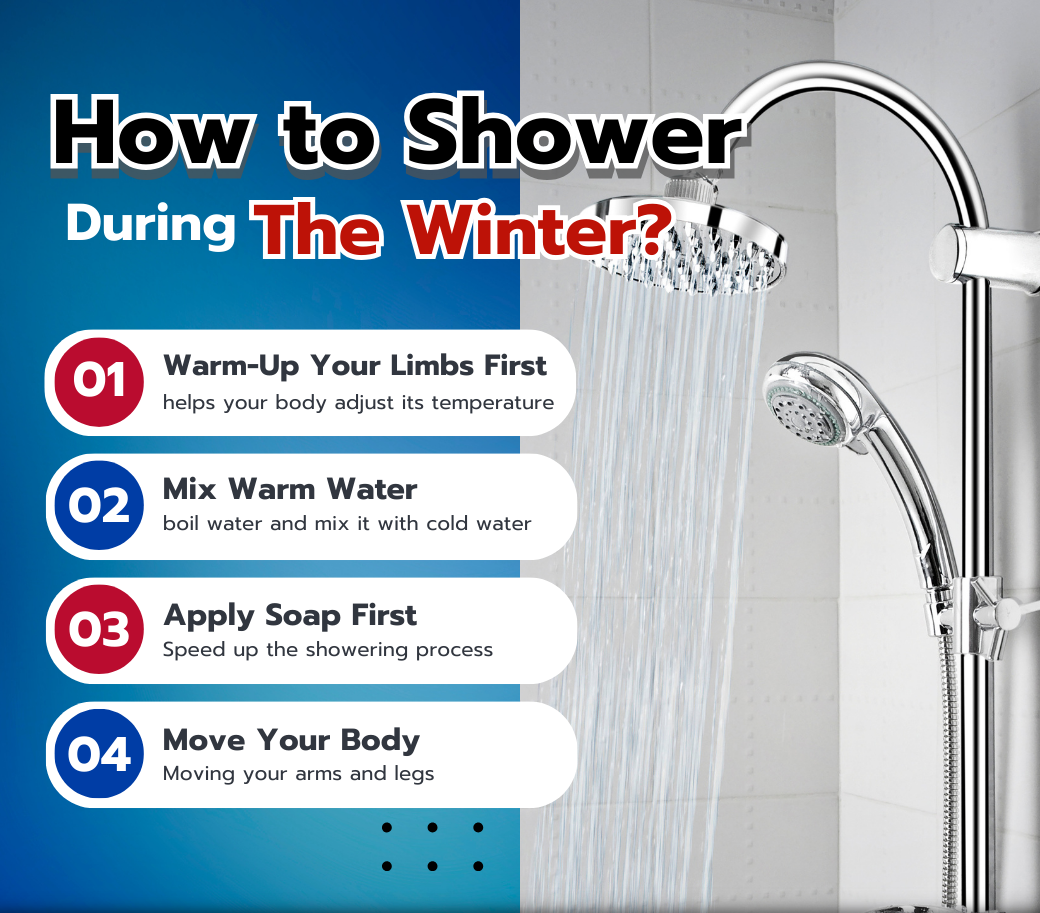
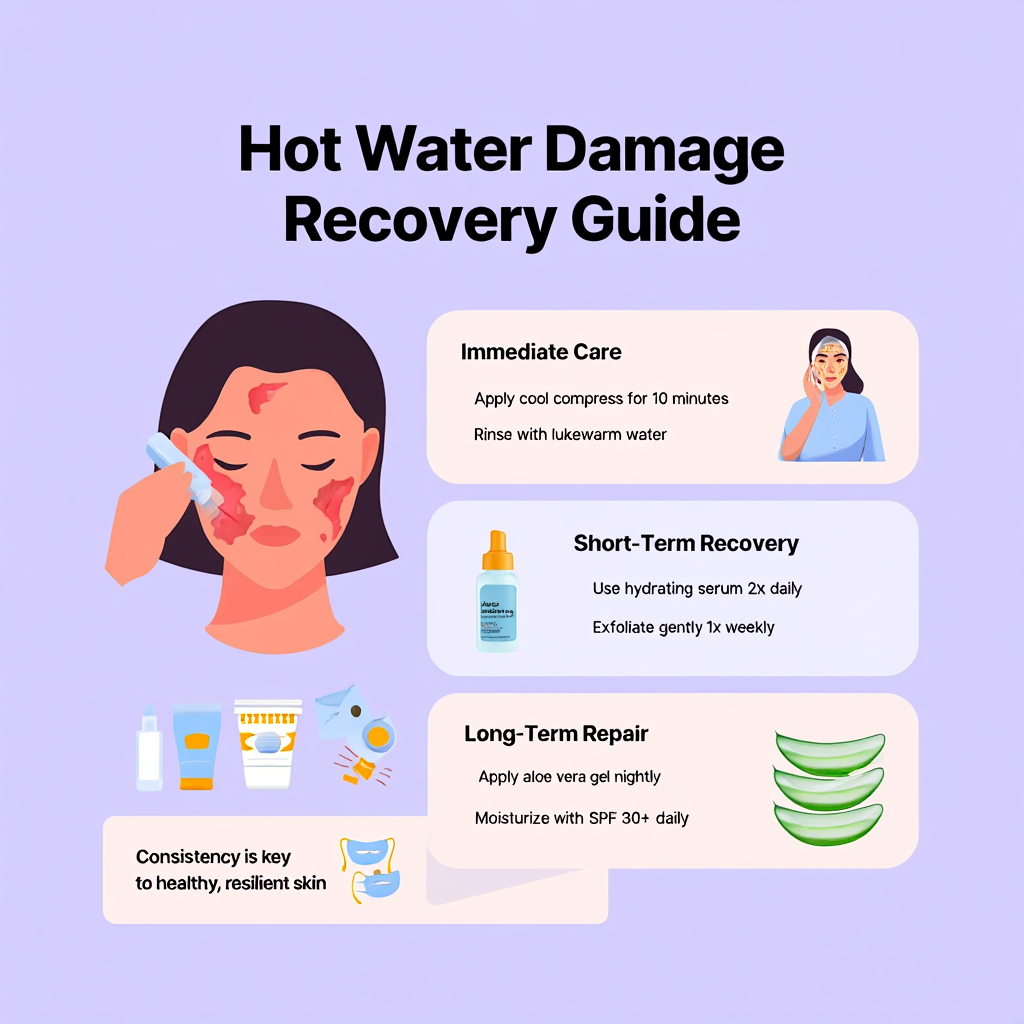
              • Use lukewarm water, not hot
              • Apply moisturizer immediately after bathing

              Final Thoughts

              You don’t need to completely avoid showers in winter—but you definitely shouldn’t shower too often or with very hot water. Fewer, gentler showers keep your skin soft, hair healthy, and body comfortable during the cold season.

              Go back

              Your message has been sent

              Warning
              Warning
              Warning
              Warning.
            • Best Solutions for Dandruff

              https://my.clevelandclinic.org/-/scassets/images/org/health/articles/23326-dry-scalp

              https://www.srisritattva.com/cdn/shop/products/anti-dandruff-back-7ml_17a3e1c0-ddec-4f16-9be1-945596d51edb.jpg?v=1698929276&width=1445

              https://cdn.shopify.com/s/files/1/0019/3183/7503/files/hair_care_routine_for_men_and_women_600x600.jpg?v=1752751165

              Dandruff is one of the most common scalp problems faced by both men and women. It shows up as white flakes, itching, and sometimes redness. Many people try shampoos, oils, home remedies, and even supplements like glutathione to get rid of dandruff. But what actually works? Let’s understand the best dandruff solutions—and the real connection between glutathione and scalp health.


              ✔ Best Solutions for Dandruff

              1. Medicated Anti-Dandruff Shampoos

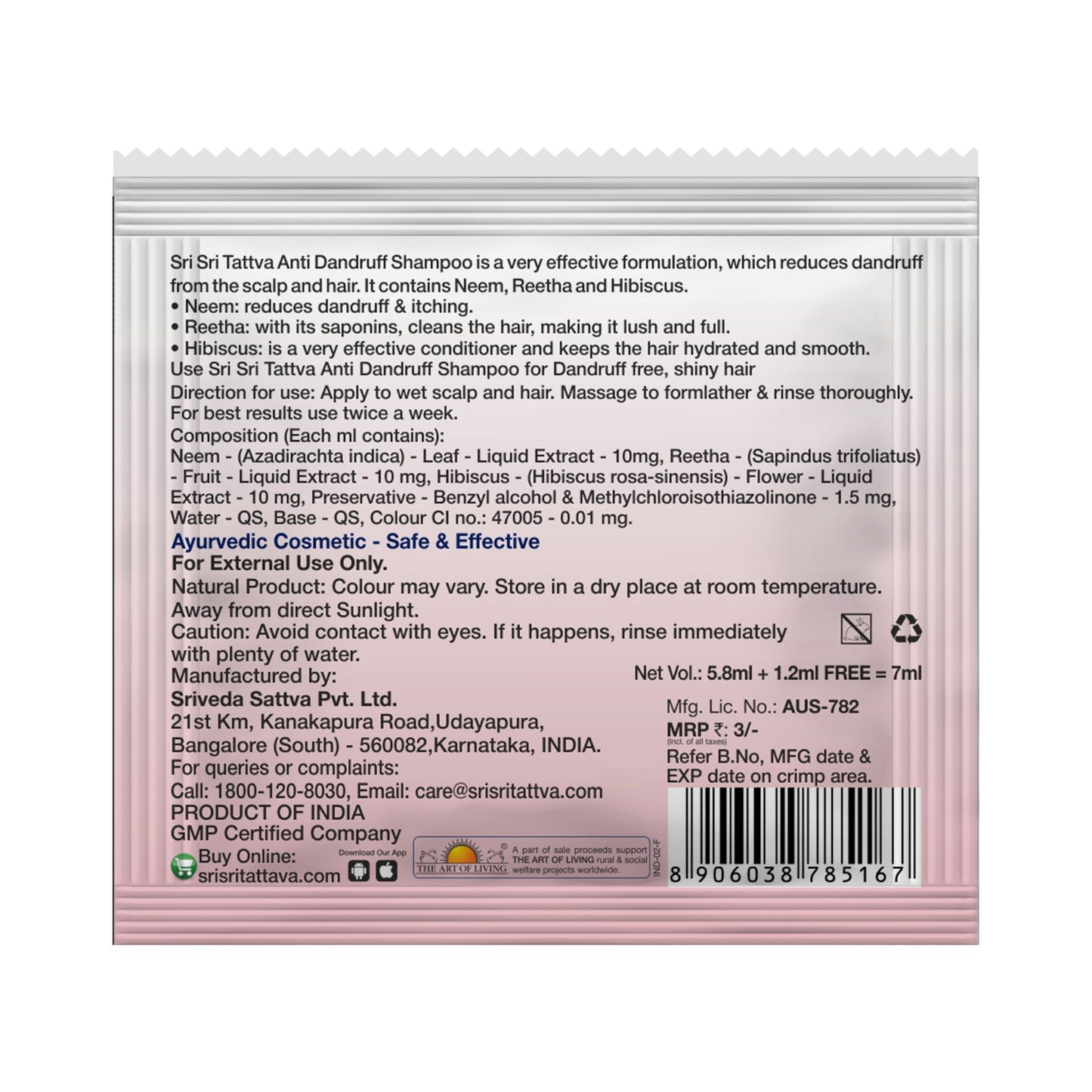
              Dermatologists recommend specific ingredients that target the root cause of dandruff. Look for shampoos containing:

              • Ketoconazole – fights fungal dandruff
              • Zinc Pyrithione – reduces flakes & itching
              • Salicylic Acid – removes buildup
              • Coal Tar – slows scalp shedding

              Use 2–3 times a week and let the shampoo sit for 2–3 minutes before washing off.


              2. Tea Tree Oil

              Tea tree oil contains natural antifungal properties. Add 3–4 drops to your shampoo. This helps reduce flakes and soothes irritation.


              3. Aloe Vera Gel

              Fresh aloe vera calms inflammation, moisturizes the scalp, and reduces itching. Apply for 15–20 minutes before washing.


              4. Apple Cider Vinegar Rinse

              ACV helps balance scalp pH and reduces fungal activity. Mix 1 part ACV + 2 parts water, apply after shampoo, and rinse after 5 minutes.

              https://post.healthline.com/wp-content/uploads/2019/08/Aloe_Vera_1296x728-header-1-1-1296x728.jpg

              ✔ Glutathione: Does It Help With Dandruff?

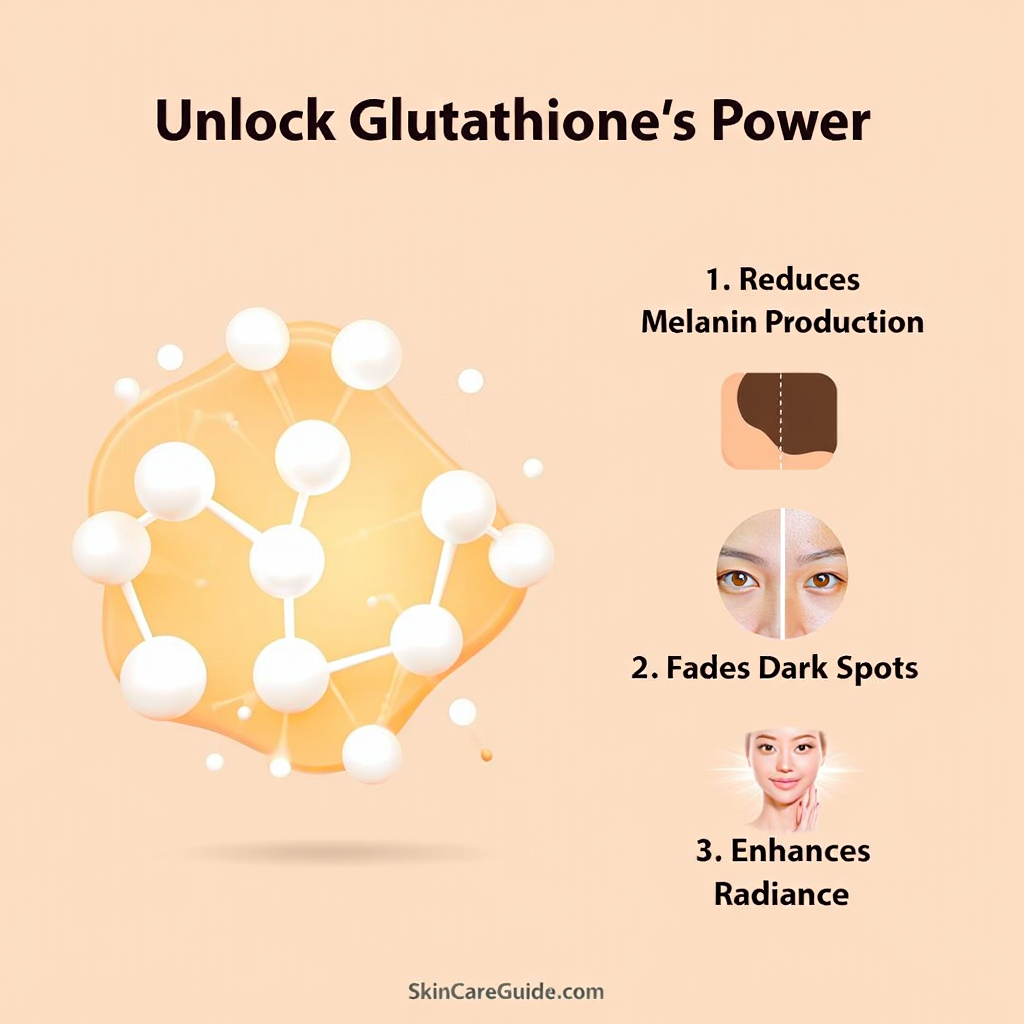
              Glutathione is a popular antioxidant known for skin brightening, immune support, and detoxification. But when it comes to dandruff, the facts are very clear:

              ❌ Glutathione does NOT cure dandruff.

              There is no scientific evidence that glutathione removes dandruff, eliminates scalp fungus, or treats dryness.

              ✔ What Glutathione CAN help with:

              • Reducing oxidative stress
              • Improving overall immunity
              • Brightening the skin
              • Supporting liver health

              ✔ How Glutathione May Indirectly Help

              Although glutathione cannot remove dandruff, it may slightly improve scalp health by reducing inflammation and boosting overall immunity. But it should never be used as a primary dandruff treatment.


              ✔ Final Thoughts

              For dandruff, stick to medicated shampoos, mild oils, aloe vera, and ACV rinses. These target the real cause—fungus, dryness, and buildup.
              Glutathione is good for skin and immunity, but it is not a dandruff solution. Use it only if recommended, and only for its actual benefits.

              Go back

              Your message has been sent

              Warning
              Warning
              Warning
              Warning.
            • Winter Lung Care

              https://caltech-prod.resources.caltech.edu/main/images/Gao_Wei-Mask-Based-Respiratory-Sensor-1440x1060.original.jpg

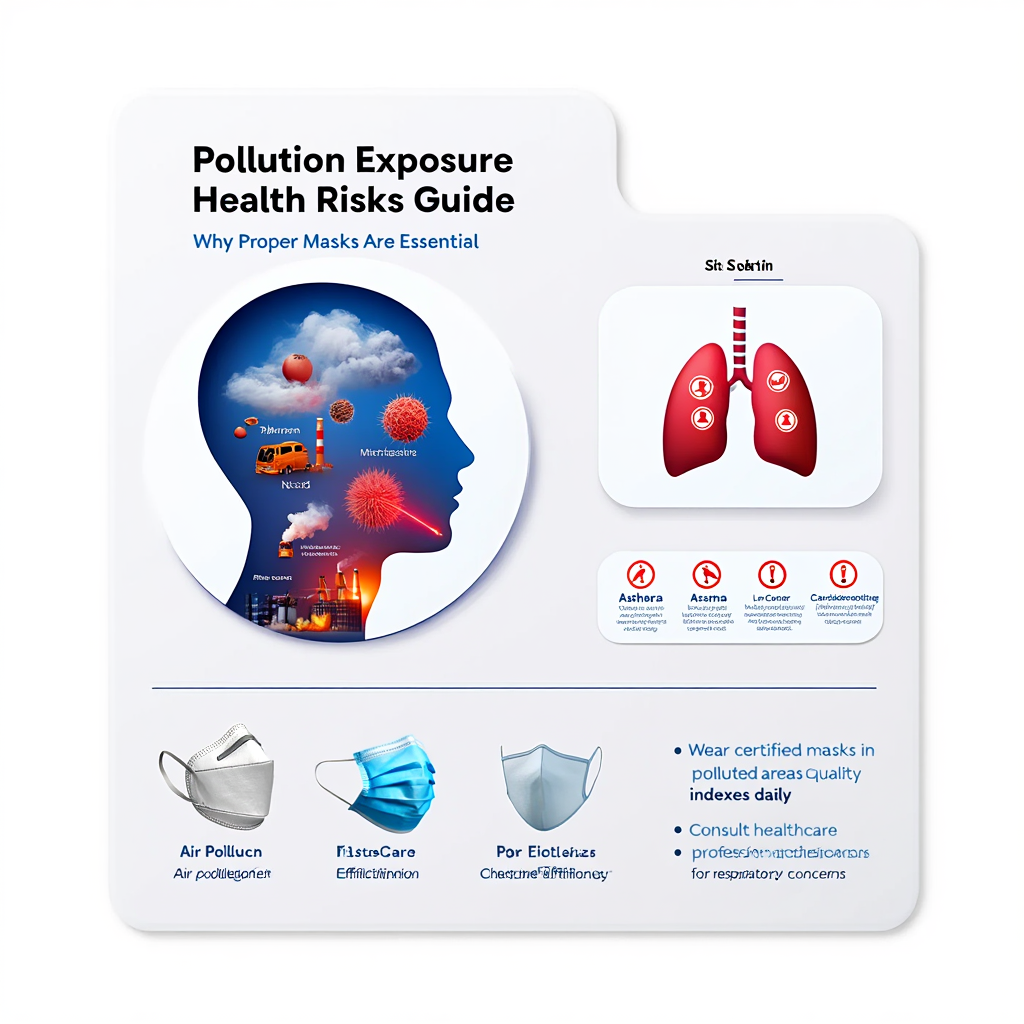
              Winter often brings heavy pollution, smog, and stagnant air that can seriously affect your lungs. Cold air makes the airways narrow, and pollution levels rise because smoke, dust, and fumes stay trapped close to the ground. Taking extra care of your lungs during winter is essential, especially for children, elderly people, and those with asthma or allergies.

              Here are the best winter lung-care tips to keep your breathing strong and healthy:


              1. Wear a Good Mask Outdoors

              Choose an N95 or N99 mask to filter harmful particles. Cloth masks do NOT protect you from pollution.


              2. Steam Inhalation

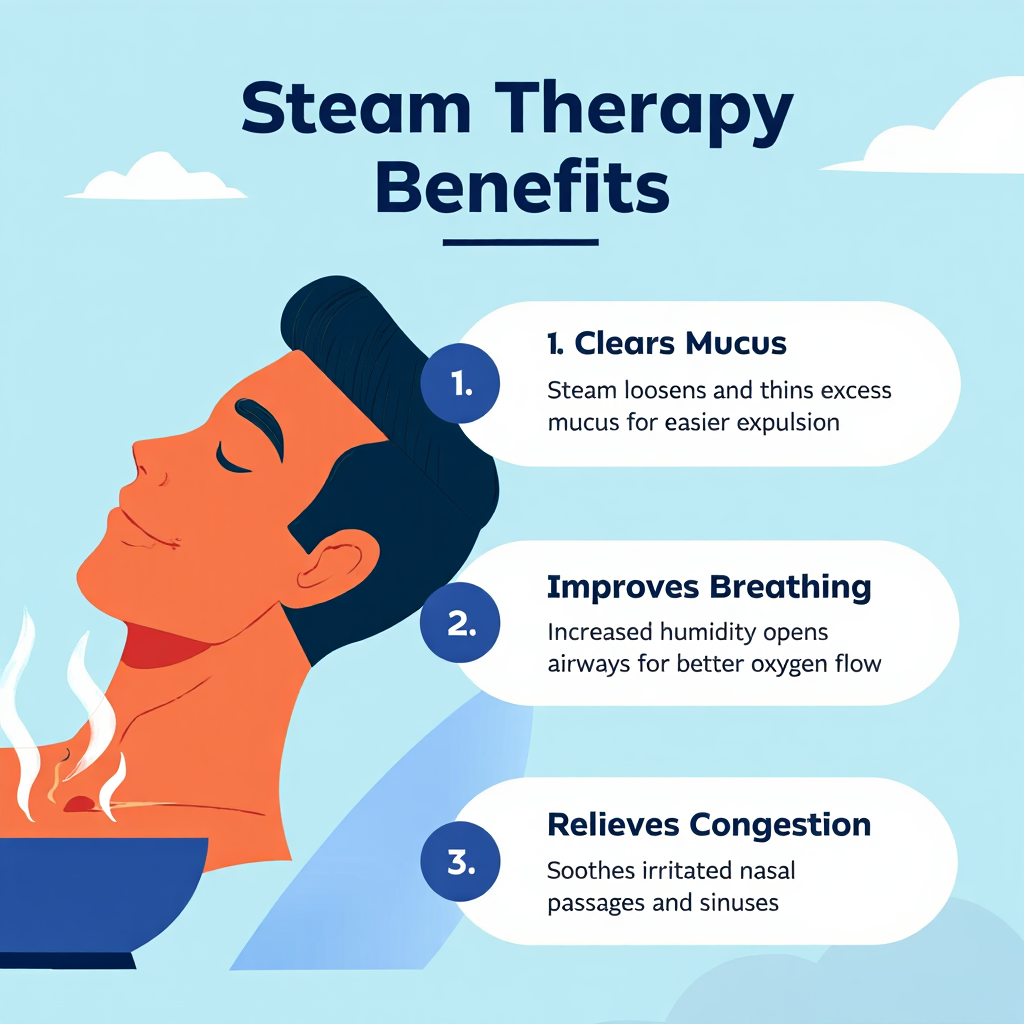
              Take steam for 5–10 minutes to clear mucus, relax airways, and improve breathing.


              3. Use a Humidifier

              Indoor heating and cold air dry your lungs. A humidifier keeps moisture in the air, making breathing safer and more comfortable.


              4. Eat Lung-Cleansing Foods

              Include foods that protect your lungs:

              • Ginger
              • Turmeric
              • Tulsi (holy basil)
              • Garlic
              • Warm soups
                These reduce inflammation and boost immunity.

              https://www.asbestos.com/wp-content/uploads/healthy-food-types.jpg

              https://ars.els-cdn.com/content/image/1-s2.0-S0753332222004309-ga1.jpg

              https://kellogggarden.com/wp-content/uploads/2018/01/herbal-tea.jpg


              5. Stay Hydrated

              Water thins mucus in the lungs, helping you breathe better. Drink warm water or herbal tea throughout the day.


              6. Avoid Early Morning & Late Night Outdoors

              Pollution levels peak during these times. Prefer going outside between 11 AM to 4 PM when air is clearer.


              7. Keep Your Home Clean

              Dust, smoke, and indoor pollution can trigger lung problems.
              Try:

              • Regular sweeping & mopping
              • Avoid incense, candles, or indoor smoking
              • Keep windows closed on high-smog days


              8. Practice Breathing Exercises

              Deep breathing, pranayama, and simple chest-opening exercises strengthen your lungs and increase oxygen flow.


              9. Take Vitamin C & Antioxidants

              They protect your lungs from pollution damage. Include oranges, amla, lemon, and green leafy vegetables.


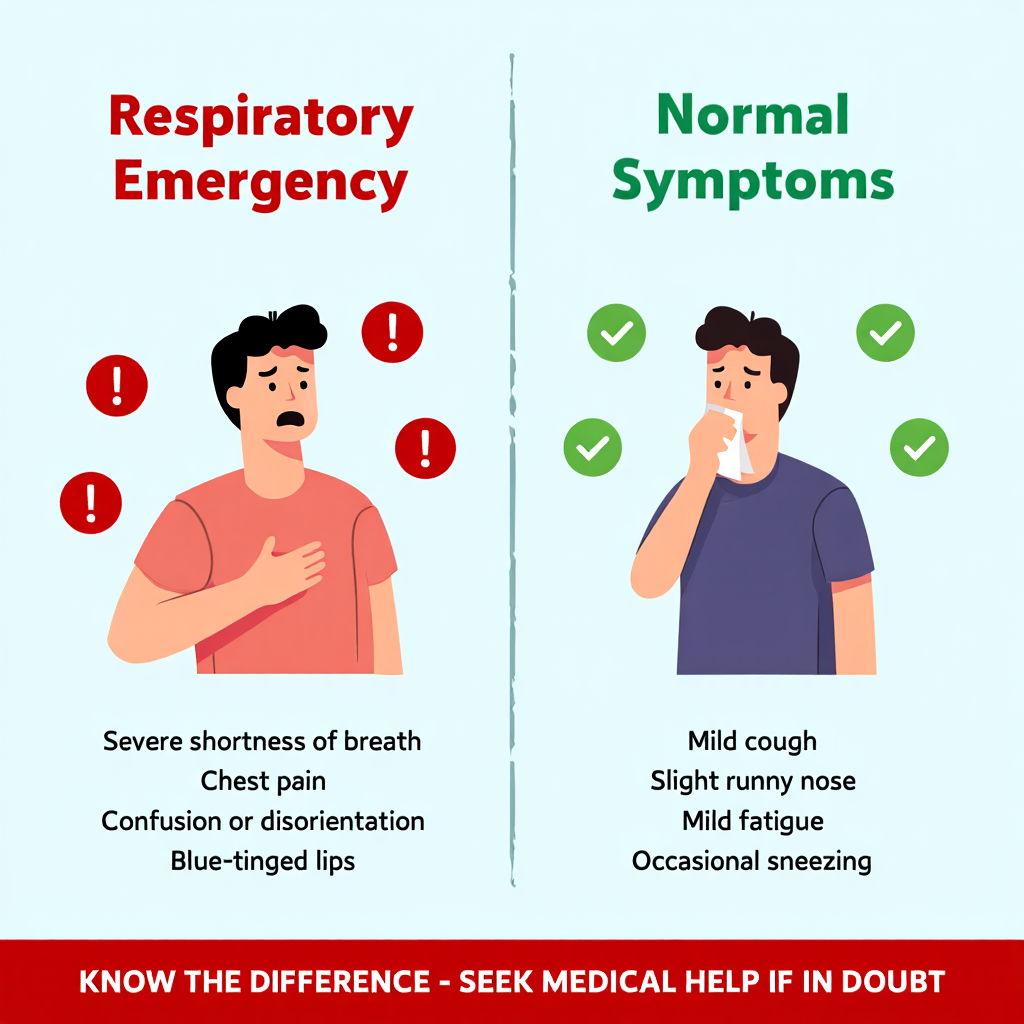
              10. Know When to See a Doctor

              If you experience:

              • Persistent cough
              • Chest tightness
              • Breathlessness
              • Wheezing
                Seek medical help immediately.


              Final Thoughts

              Winter pollution is harsh on your lungs, but simple daily habits—like wearing a mask, staying hydrated, eating lung-friendly foods, and avoiding peak smog hours—can protect your breathing and boost your overall health.

              Go back

              Your message has been sent

              Warning
              Warning
              Warning
              Warning.

            • Winter Full Body Healthcare Tips

              Winter brings cool winds, dry air, and lower immunity levels. To stay healthy and comfortable from head to toe, you need extra care during the cold season. Here are the best full-body winter health tips to keep your skin, hair, and body happy.


              1. Keep Your Skin Hydrated

              Cold weather dries out skin fast.
              Tips:

              • Use a heavy moisturizer or body butter.
              • Apply moisturiser after shower when skin is slightly damp.
              • Use lip balm to avoid cracked lips.

              2. Take Warm, Not Hot Baths

              Hot water strips natural oils and causes dryness.
              Try:

              • Lukewarm baths
              • Add coconut oil or aloe gel after shower

              3. Protect Your Hair

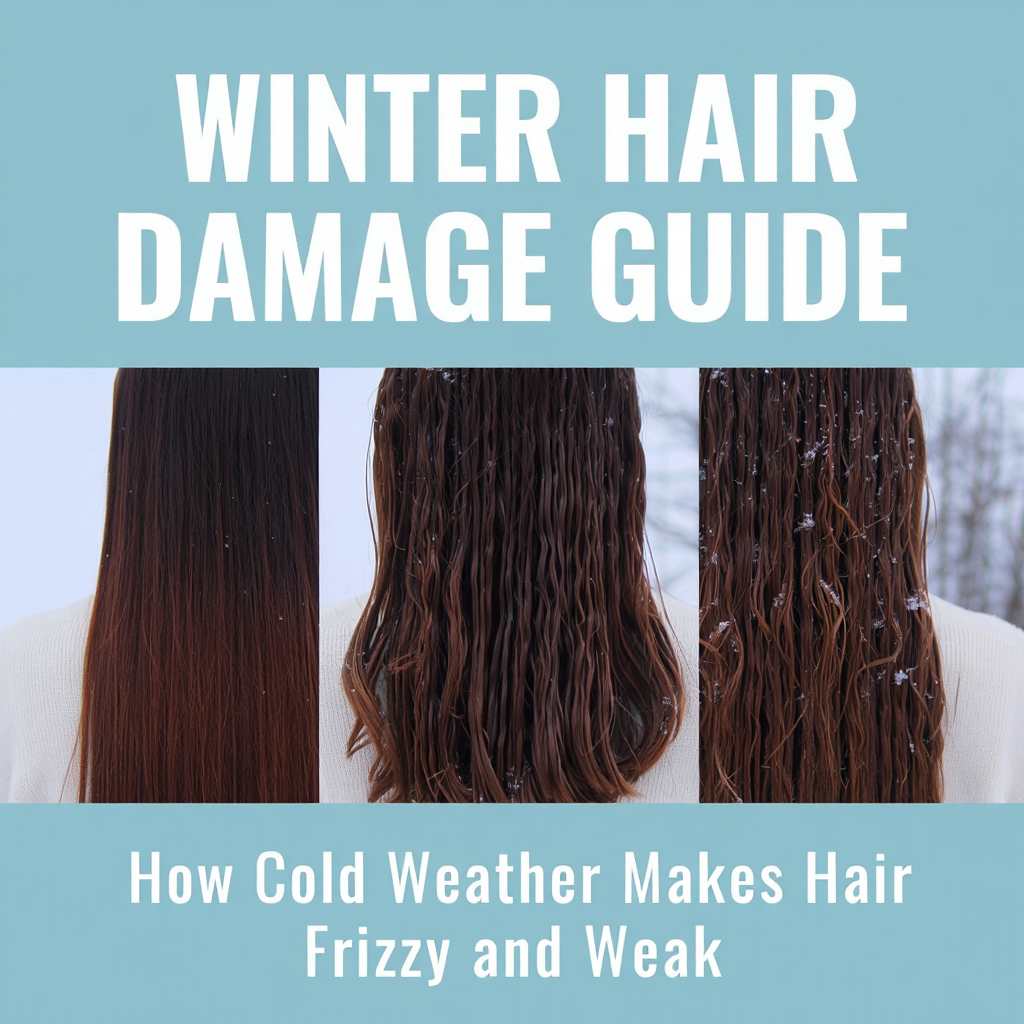
              Winter can make hair frizzy and weak.
              Tips:

              • Oil your hair once or twice a week
              • Use mild shampoo
              • Cover your hair with a scarf when going outside

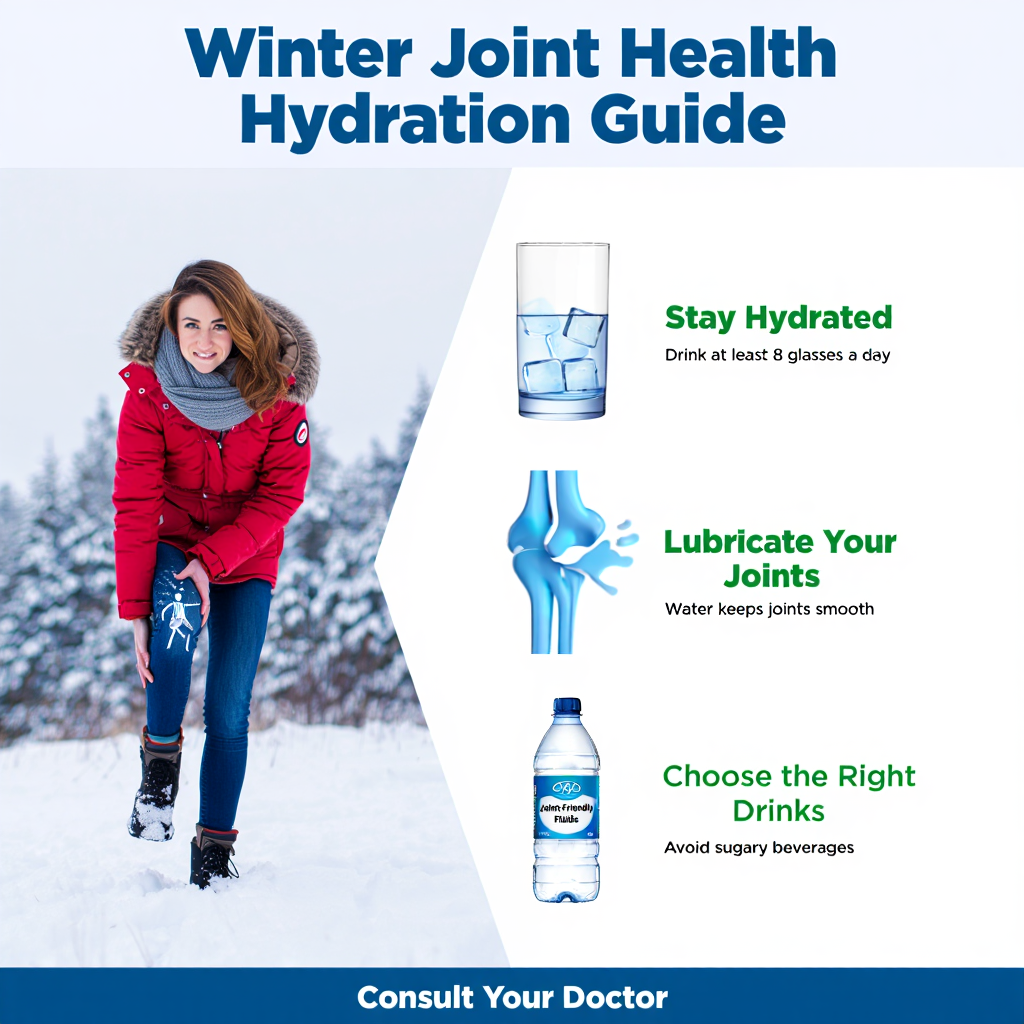
              4. Drink Plenty of Water

              We drink less water in winter, but the body still needs hydration.
              Aim for 6–8 glasses daily to keep skin glowing and joints healthy.


              5. Eat Seasonal Nutritious Foods

              Winter foods boost immunity and keep you warm.
              Include:

              • Nuts & seeds
              • Soups & warm veggies
              • Citrus fruits
              • Ginger, turmeric, garlic

              6. Moisturize Hands & Feet

              Hands and feet get extremely dry in winter.
              Use:

              • Shea butter
              • Glycerin creams
              • Petroleum jelly at night

              7. Keep Your Body Active

              Due to cold weather, we move less.
              Do:

              • Light exercise
              • Walking
              • Home yoga

              It improves circulation and prevents stiffness.


              8. Dress in Layers

              Wear warm clothes like sweaters, socks, gloves, and caps to protect from cold winds.


              9. Take Care of Your Immunity

              Cold weather increases chances of flu.
              Tips:

              • Stay warm
              • Take vitamin C-rich foods
              • Get proper sleep

              10. Use a Humidifier at Home

              Heaters reduce indoor moisture. A humidifier helps keep skin healthy and prevents dry cough.


              Final Thoughts

              Winter needs extra care, but with good hydration, moisturization, nutrition, and warm habits, you can stay healthy and glowing all season long.

            • Good Brain Health: Daily Habits to Keep Your Mind Sharp

              Your brain controls everything—from memory and focus to mood and creativity. Keeping it healthy is essential for a strong, active, and happy life. The good news? Small daily habits can improve your brain’s performance at any age. Here’s how to keep your mind sharp and energized.


              1. Eat Brain-Boosting Foods

              Your brain needs nutrients to function well.
              Add these to your meals:

              • Blueberries
              • Nuts & seeds
              • Avocados
              • Fatty fish (rich in omega-3)
              • Leafy greens

              These foods improve memory, concentration, and protect the brain from aging.


              2. Stay Physically Active

              Exercise increases blood flow to the brain and stimulates growth of new brain cells.
              Try walking, yoga, dancing, or simple home workouts for 20–30 minutes daily.


              3. Keep Your Mind Busy

              Challenge your brain so it stays sharp.
              Try:

              • Reading
              • Puzzles
              • Learning a new skill
              • Brain games
              • Playing musical instruments
              https://images.twinkl.co.uk/tw1n/image/private/t_630_eco/image_repo/49/9d/t-t2-94-brain-exercise-posters-_ver_2.jpg
              https://lermagazine.com/wp-content/uploads/2021/07/iStock-846529050.jpg
              https://camhsprofessionals.co.uk/wp-content/uploads/2021/03/87.png

              4. Get Quality Sleep

              Sleep is when your brain repairs, stores memories, and resets.
              Aim for 7–9 hours every night to improve focus, mood, and decision-making.


              5. Stay Hydrated

              Dehydration can cause headaches, poor concentration, and irritability.
              Drink enough water throughout the day for better brain function.


              6. Reduce Stress

              Chronic stress damages brain cells.
              Practice:

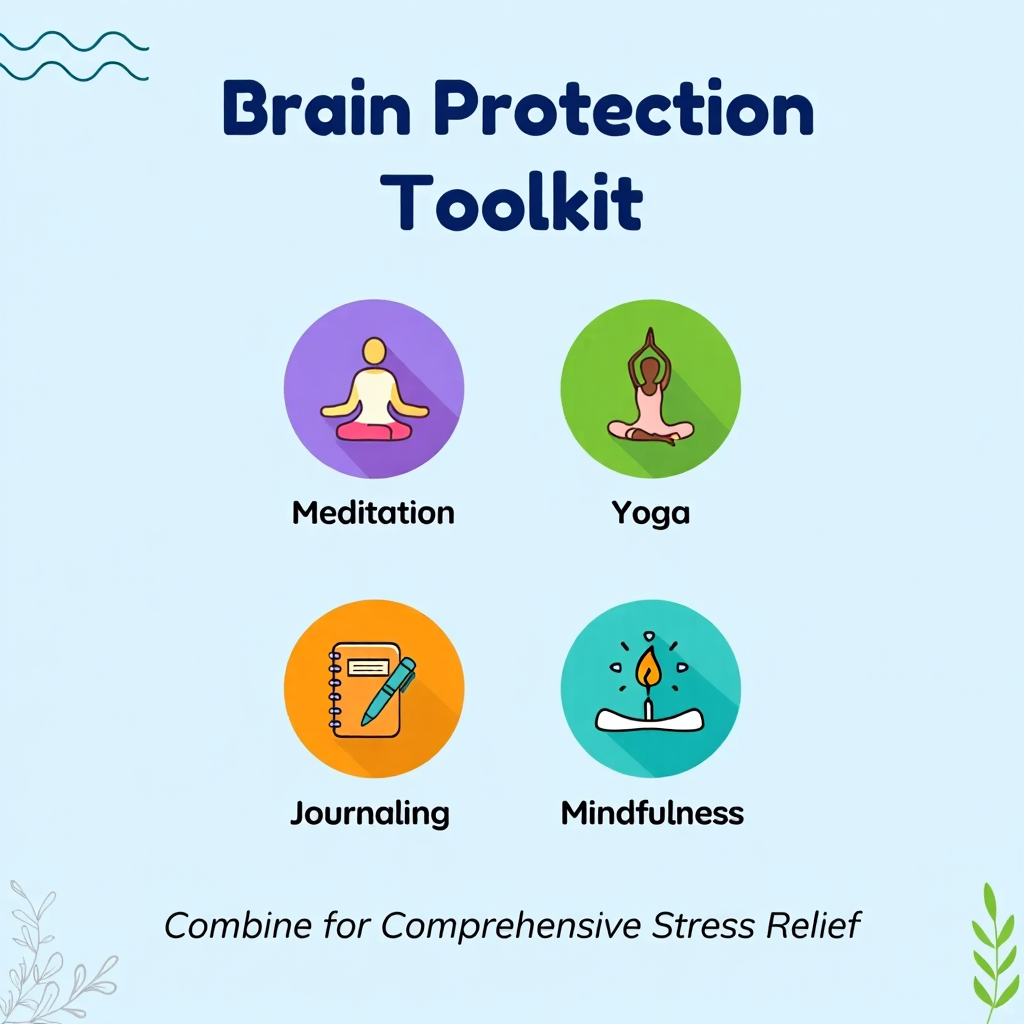
              • Meditation
              • Deep breathing
              • Spending time in nature
              • Talking to someone you trust

              7. Limit Screen Time

              Too much screen use overloads the brain, causes fatigue, and reduces productivity.
              Take short breaks using the 20-20-20 rule:
              Every 20 minutes, look 20 feet away for 20 seconds.


              Final Thoughts

              A healthy brain means a healthier life. By eating well, staying active, sleeping enough, and challenging your mind, you can boost memory, improve mood, and stay mentally sharp for years.

              Go back

              Your message has been sent

              Warning
              Warning
              Warning
              Warning.
            • How to Manage Delayed Periods

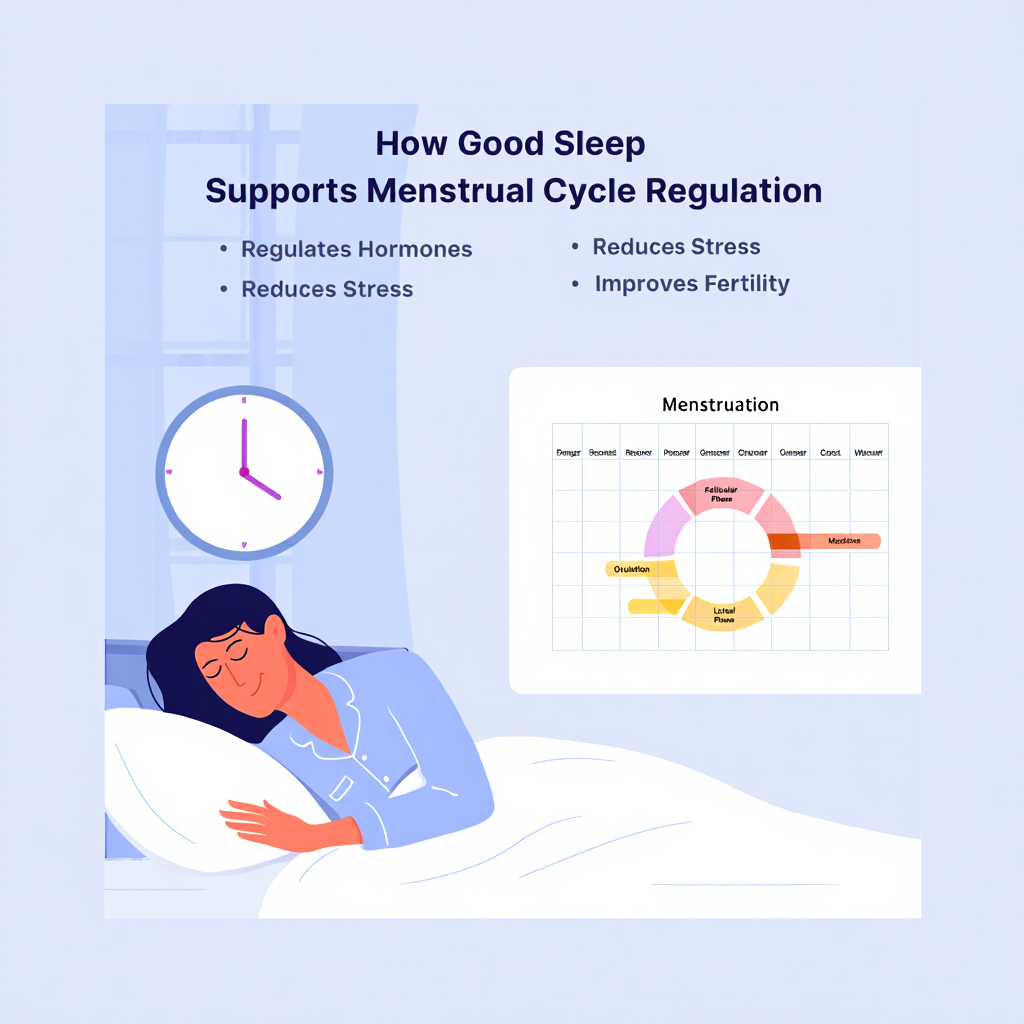
              ✅ 1. Reduce Stress

              Stress is one of the most common reasons for late periods.
              Try:

              • Deep breathing
              • Light exercise
              • Good sleep
              • Meditation

              Stress control often brings periods naturally.


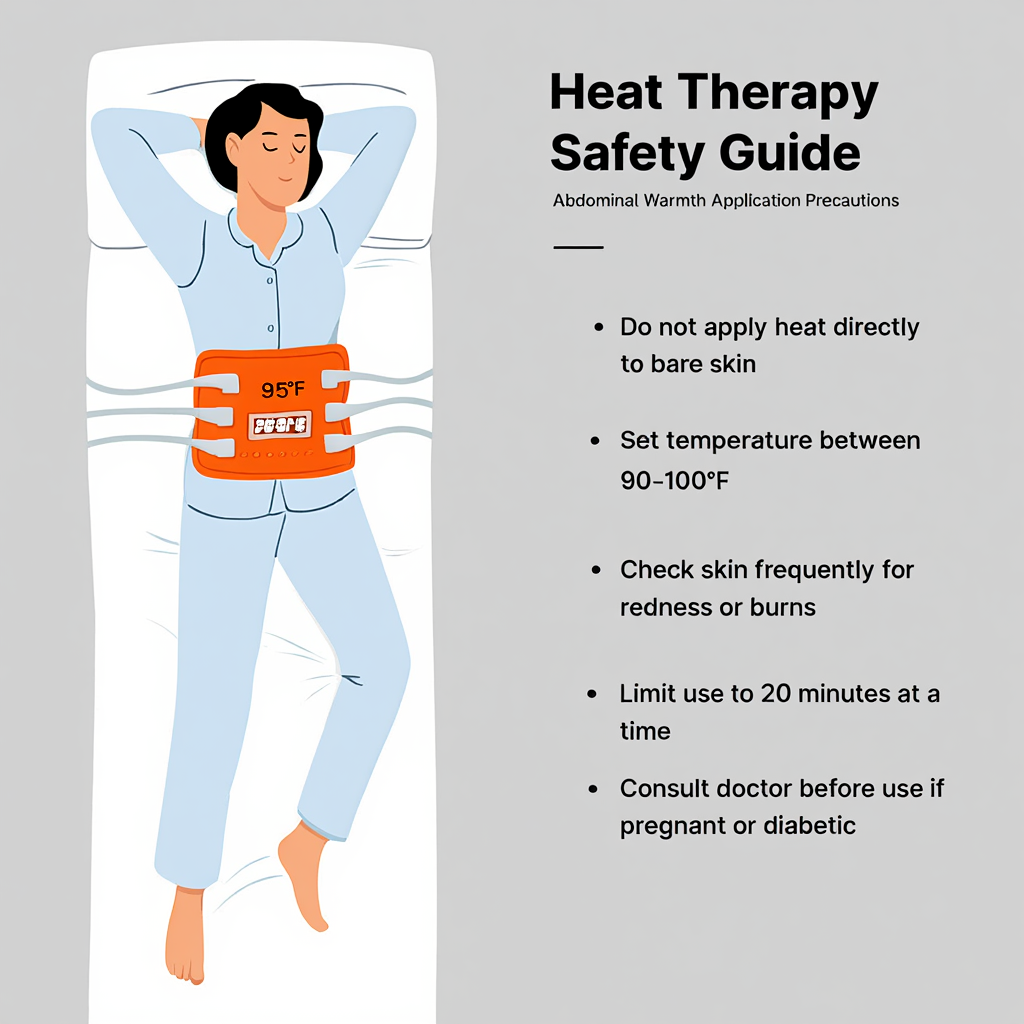
              ✅ 2. Warm Compress or Hot Water Bottle

              Placing warmth on your lower abdomen increases blood flow and may help start your period naturally.


              ✅ 3. Light Exercise

              Walking, yoga, stretching, and light workouts help regulate hormones.
              Avoid heavy or intense exercise, as it can delay periods more.


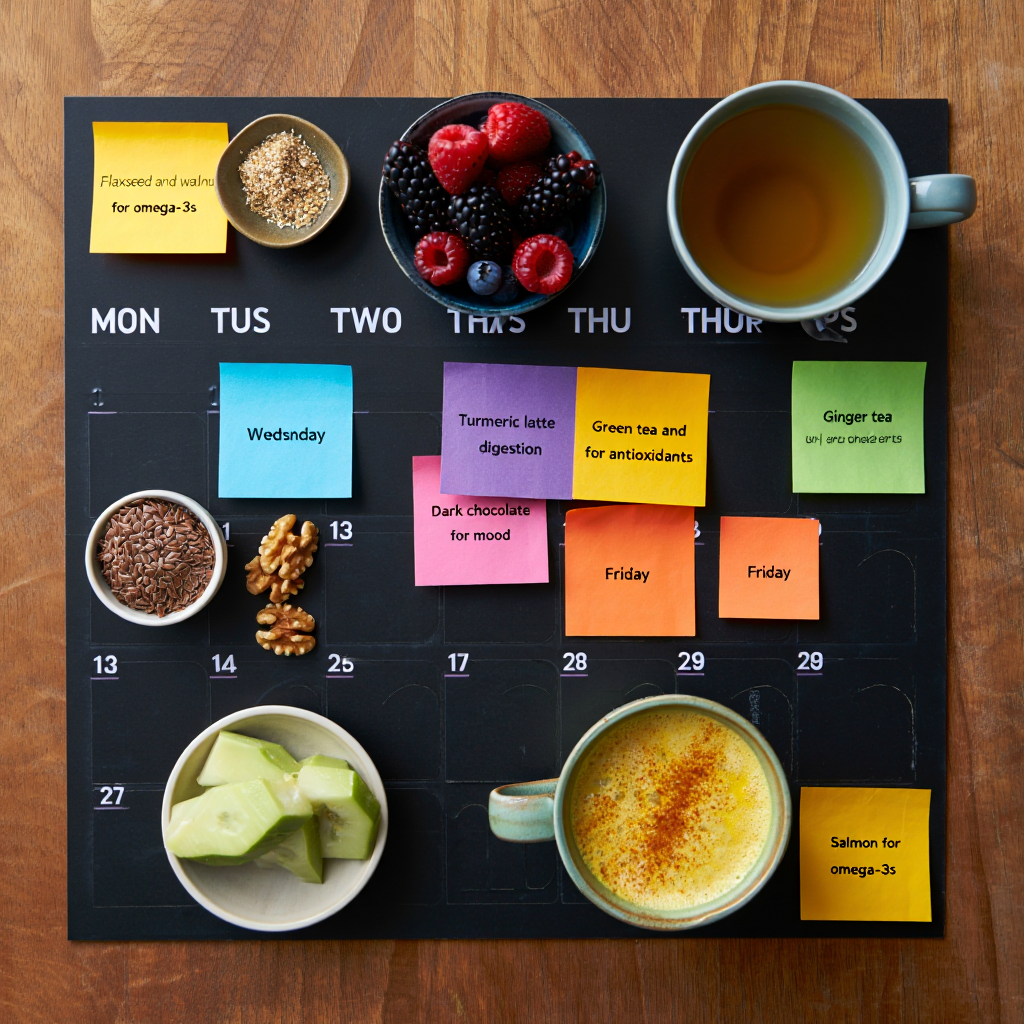
              ✅ 4. Healthy Foods That Support Menstrual Flow (NOT guaranteed)

              These may help regulate cycles, but results vary for each person:

              • Papaya
              • Ginger tea
              • Turmeric milk
              • Warm water
              • Fennel (saunf) water

              These are natural but not “period starters.” They work only if the delay is mild.


              ❗ What You Should NOT Do

              • Do NOT take high doses of Vitamin C
              • Do NOT take hormonal tablets (like emergency pills) to induce periods without a doctor
              • Do NOT try unsafe home remedies found online
                These can harm your hormones and fertility.


              ⚠️ When to See a Doctor

              If your period is late by more than 10–15 days, check for:

              • Pregnancy
              • Stress
              • Sudden weight loss or gain
              • PCOS
              • Thyroid problems

              See a doctor if you have:

              • Missed 2–3 periods in a row
              • Severe pain
              • Very irregular cycles
              • PCOS symptoms (acne, hair fall, weight gain)

              A doctor can run hormone tests and give safe medication if needed.


              ⭐ Important Note

              Trying to “bring periods early” is not always possible or safe. It’s better to understand why the delay is happening and treat the root cause.

              Go back

              Your message has been sent

              Warning
              Warning
              Warning
              Warning.

            • Everyday Health Care Tips

              Taking care of your health every day doesn’t have to be complicated. Small daily habits can improve your energy, mood, skin, digestion, and overall wellbeing. Here are the best everyday health care practices you can start now:


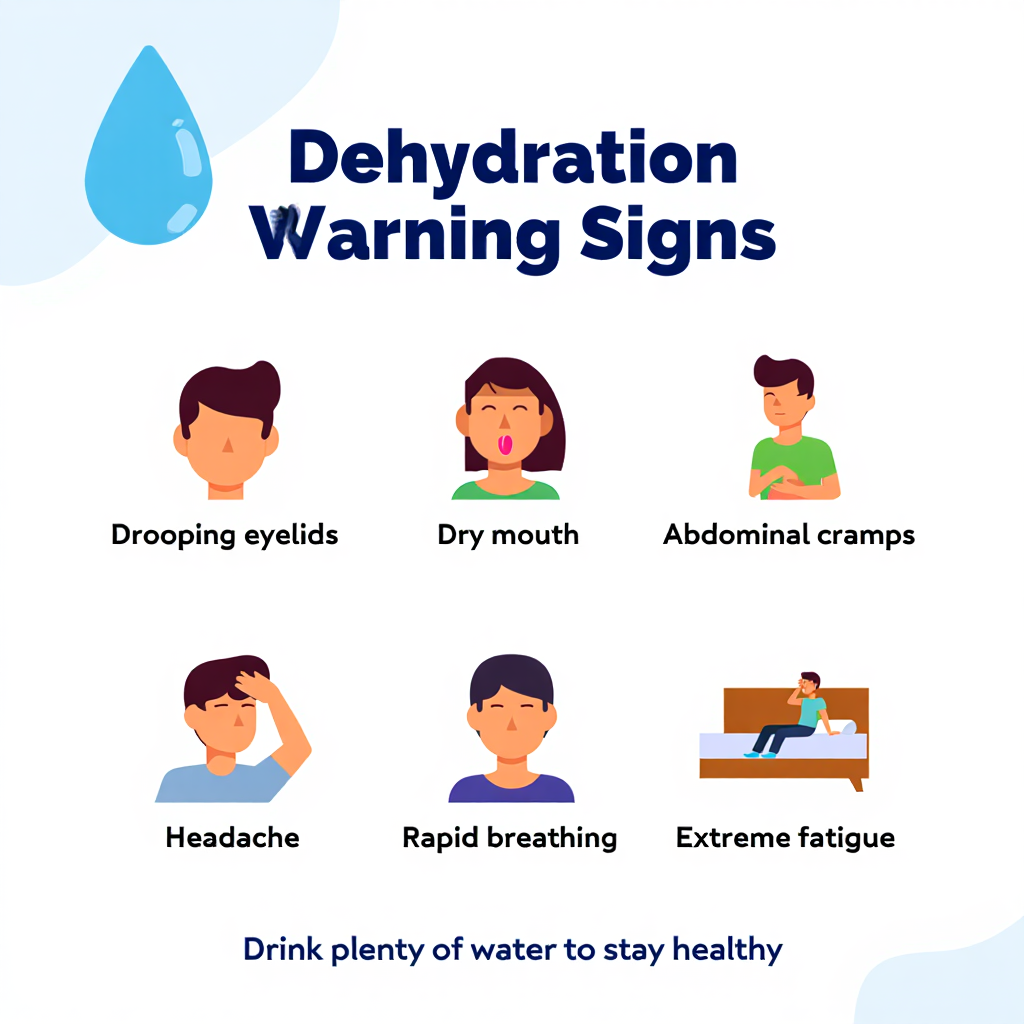
              1. Drink Enough Water

              Aim for 6–8 glasses daily. Water keeps your skin glowing, supports digestion, and boosts energy.

              2. Eat Balanced Meals

              Include fruits, vegetables, whole grains, proteins (like eggs, lentils, chicken), and healthy fats. Avoid too much junk or sugary foods.

              3. Get 20–30 Minutes of Movement

              Walk, stretch, do yoga, dance—anything that keeps your body active. It improves heart health and reduces stress.

              https://gethealthyu.com//wp-content/uploads/2016/08/10-Yoga-Poses-You-Should-Do-Every-Day.png

              https://centerforfamilymedicine.com/wp-content/uploads/2020/06/Center-for-family-medicine-The-Health-Benefits-of-Eating-10-Servings-Of-Fruits-_-Veggies-Per-Day.jpg

              https://post.healthline.com/wp-content/uploads/2021/12/1774644-What-Order-Should-I-Follow-for-My-Skin-Care-Routine-1296x2571-Body-scaled.jpg


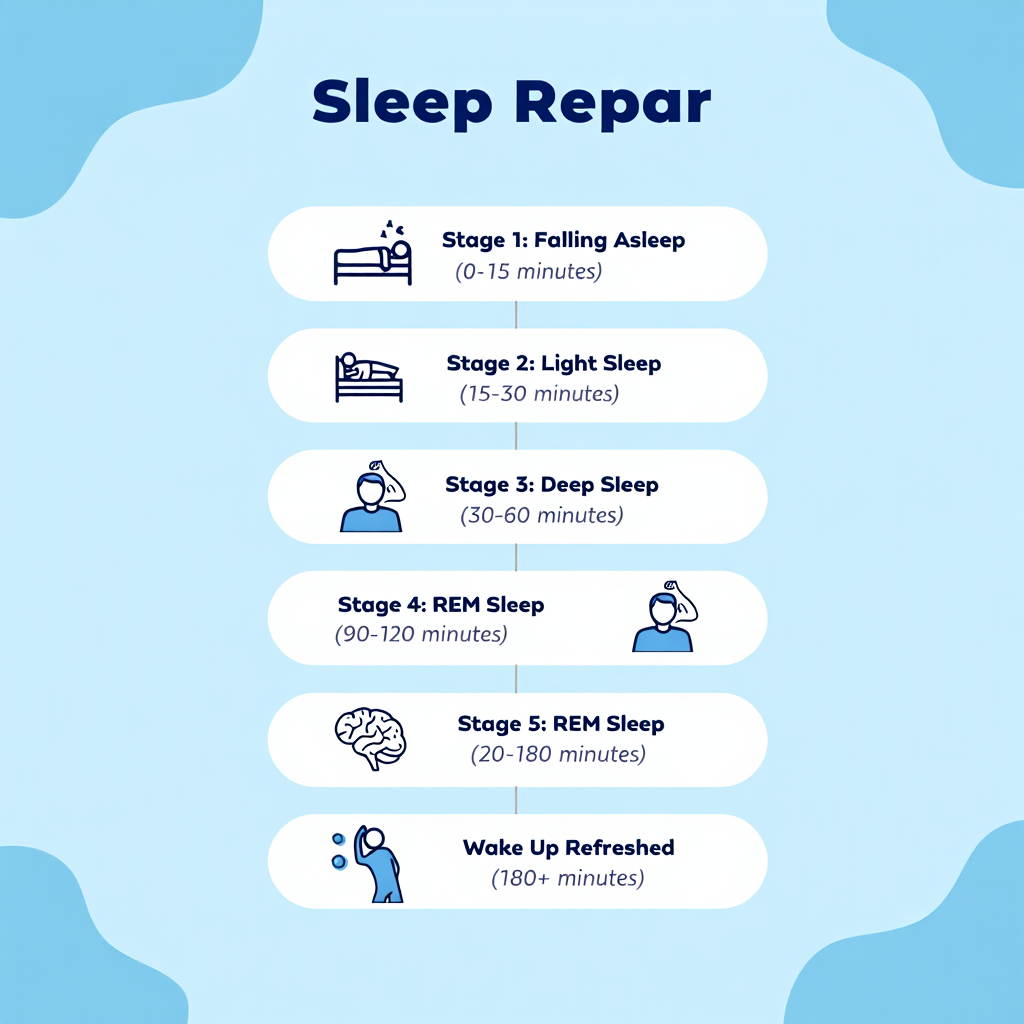
              4. Sleep 7–8 Hours

              Proper sleep repairs the body, improves mood, and keeps your mind sharp.

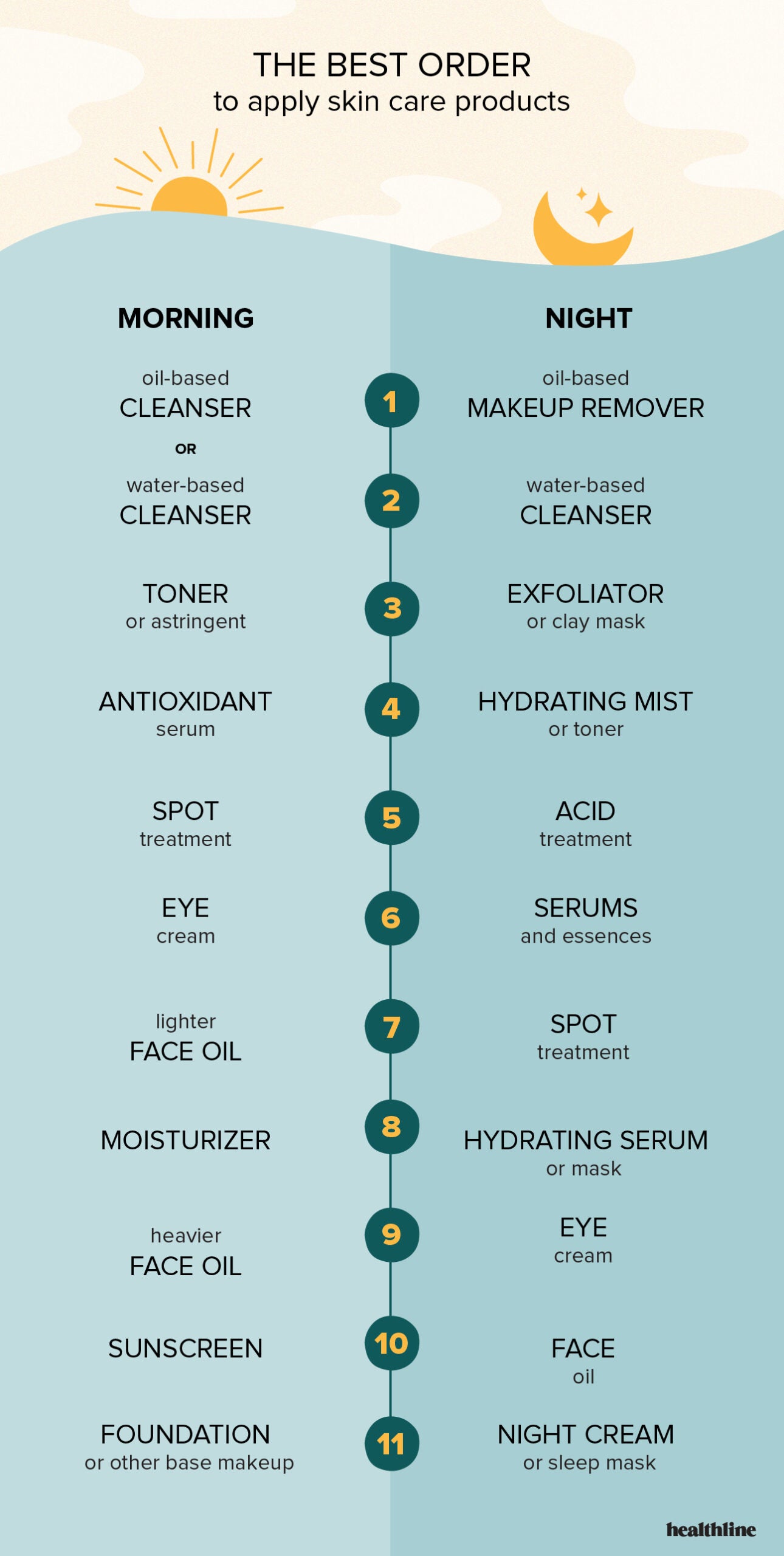
              5. Follow a Simple Skincare Routine

              Cleanse, moisturize, and apply sunscreen daily. Healthy skin starts with consistency.

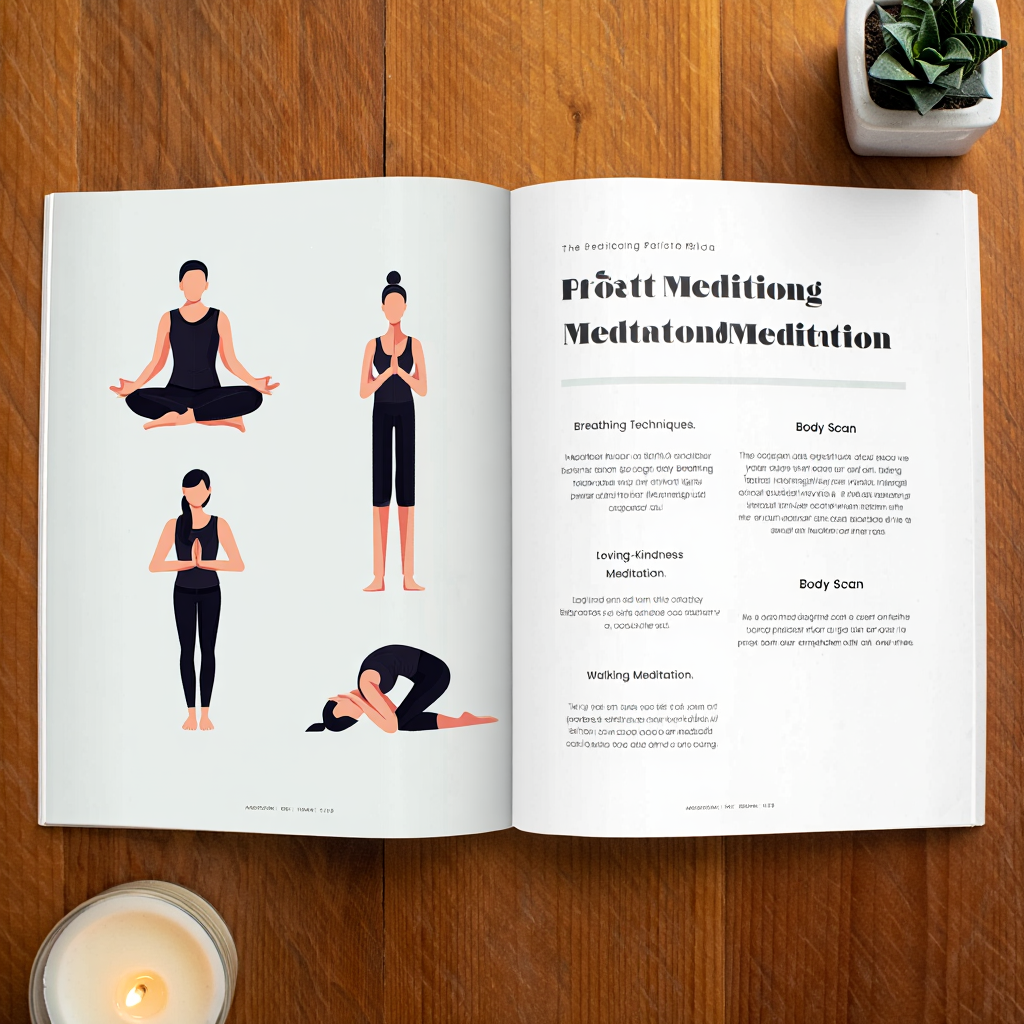
              6. Reduce Stress

              Practice deep breathing, meditation, or spend a few minutes in nature. Staying calm improves both physical and mental health.

              7. Maintain Hygiene

              Brush teeth twice a day, wash hands regularly, and keep your surroundings clean to prevent infections.

              8. Limit Screen Time

              Give your eyes regular breaks. Spend some time away from phone and laptop screens.

              9. Stay Positive

              A positive mindset supports your mental and emotional health. Practice gratitude or write down things you’re thankful for.


              Final Thoughts

              Daily health care is all about small habits done consistently. Start with two or three tips and build up slowly—you’ll notice a big change in your energy and wellbeing.

              Go back

              Your message has been sent

              Warning
              Warning
              Warning
              Warning.