Weight loss for men requires a combination of targeted exercise, strength training, and cardiovascular activity. Men typically have higher muscle mass than women, which allows for more calorie burn at rest. However, stubborn fat around the abdomen and chest often requires a strategic approach combining fat-burning cardio, muscle-building resistance training, and high-intensity workouts. By following a structured exercise plan, men can accelerate fat loss, build lean muscle, and improve overall fitness.
Principles of Weight Loss Exercises for Men
Men’s weight loss is most effective when exercises focus on creating a calorie deficit, building lean muscle, and improving cardiovascular endurance. High-intensity workouts increase metabolism and burn more calories both during and after exercise. Strength training promotes muscle growth, which elevates resting metabolic rate and improves body composition. Consistency, proper form, recovery, and a nutrient-rich diet are crucial factors that enhance the effectiveness of any exercise program for men.
High-Intensity Interval Training (HIIT)
HIIT is one of the most effective methods for male fat loss. This involves short bursts of high-intensity activity followed by brief recovery periods, which maximize calorie burn in minimal time. Exercises like sprint intervals, burpees, jump squats, mountain climbers, and kettlebell swings are excellent choices. Performing HIIT 3–4 times a week improves cardiovascular endurance, accelerates fat burning, and increases metabolism. Men can combine HIIT with strength training on alternate days to achieve balanced results.
Strength Training and Muscle Building
Strength training is essential for men who want to lose fat and build a toned, muscular physique. Compound exercises like squats, deadlifts, bench presses, pull-ups, and rows target multiple muscle groups and stimulate calorie burn. Upper-body exercises strengthen the chest, arms, and back, while lower-body workouts tone the legs and glutes. Building lean muscle not only improves body composition but also increases daily calorie expenditure, which aids long-term fat loss. Resistance training 3–5 times per week is highly effective when combined with proper nutrition.
Cardiovascular Workouts for Fat Loss
Cardio workouts are critical for burning calories and improving heart health. Running, cycling, swimming, or rowing for 30–60 minutes increases fat oxidation and supports cardiovascular endurance. Alternating between moderate-intensity steady-state cardio and interval training accelerates fat loss. Men can include cardio sessions on HIIT rest days or combine them with strength routines for maximum fat-burning potential.
Core and Abdominal Exercises
A strong core improves posture, enhances overall strength, and helps achieve a toned midsection. Core workouts for men include planks, bicycle crunches, hanging leg raises, Russian twists, and mountain climbers. While spot reduction is limited, strengthening the abdominal muscles complements overall fat loss and provides a sculpted, firm core. Core training should be incorporated 3–4 times a week along with full-body workouts for optimal results.
Functional and Full-Body Workouts
Functional exercises that engage multiple muscle groups simultaneously are highly effective for men. Movements like kettlebell swings, burpees, squat-to-press, and push-up-to-row combinations target several muscles, improve coordination, and increase calorie burn. Full-body workouts provide the dual benefits of fat loss and muscle toning while enhancing endurance and strength. Performing these exercises 2–3 times a week ensures consistent results.
Low-Impact Alternatives
Men who are beginners, recovering from injuries, or looking for low-impact options can benefit from walking, swimming, elliptical workouts, or yoga. These exercises promote calorie burn without excessive strain on joints while improving flexibility and overall fitness. Low-impact workouts can be gradually intensified over time as strength and stamina improve.
Weekly Exercise Plan Example for Men
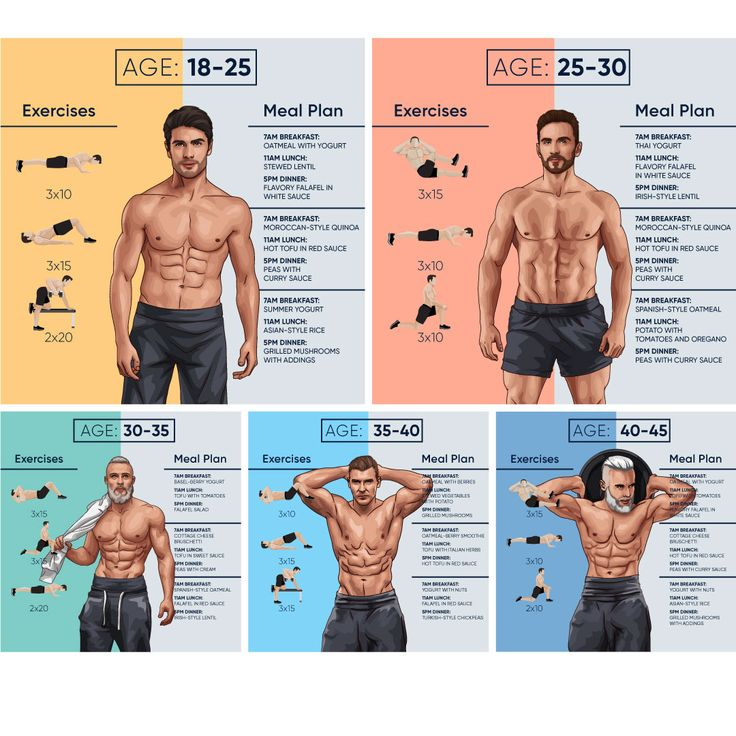
A sample weekly plan for men could include three days of HIIT, two days of strength training, and two days of cardio or active recovery. For example, Monday: HIIT, Tuesday: upper-body strength, Wednesday: moderate cardio, Thursday: HIIT, Friday: lower-body strength, Saturday: steady-state cardio, Sunday: yoga or rest. This schedule ensures balanced fat loss, muscle development, and recovery, optimizing both calorie burn and lean muscle growth.
Supporting Lifestyle for Weight Loss
Alongside exercise, men should maintain a balanced diet, proper hydration, and adequate sleep. Lean proteins, complex carbohydrates, vegetables, and healthy fats provide the energy required for workouts and support muscle repair. Drinking sufficient water aids metabolism, digestion, and fat loss. Additionally, 7–8 hours of sleep per night is vital for hormonal balance, recovery, and overall fitness. Stress management, mindfulness, and avoiding processed foods or sugary drinks further enhance results.
Expected Results
With consistent effort and adherence to this exercise plan, men can expect noticeable fat loss, improved muscle tone, better cardiovascular fitness, and increased energy. Depending on workout intensity, diet adherence, and individual metabolism, results may include a reduction in belly fat, improved strength, and a more defined, leaner physique. Combining high-intensity exercise, strength training, and cardio with healthy lifestyle habits ensures sustainable fat loss and overall health improvement.