
Winter often brings heavy pollution, smog, and stagnant air that can seriously affect your lungs. Cold air makes the airways narrow, and pollution levels rise because smoke, dust, and fumes stay trapped close to the ground. Taking extra care of your lungs during winter is essential, especially for children, elderly people, and those with asthma or allergies.
Here are the best winter lung-care tips to keep your breathing strong and healthy:
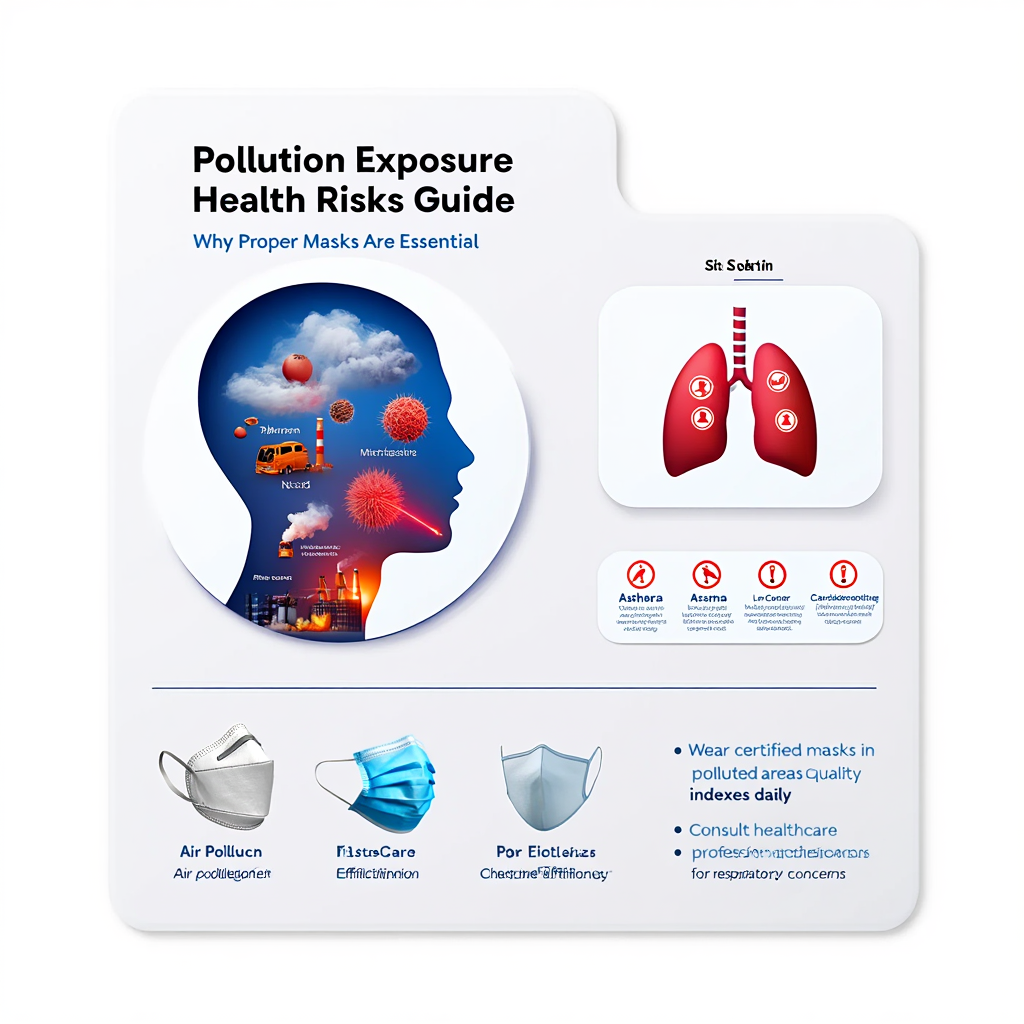
1. Wear a Good Mask Outdoors
Choose an N95 or N99 mask to filter harmful particles. Cloth masks do NOT protect you from pollution.
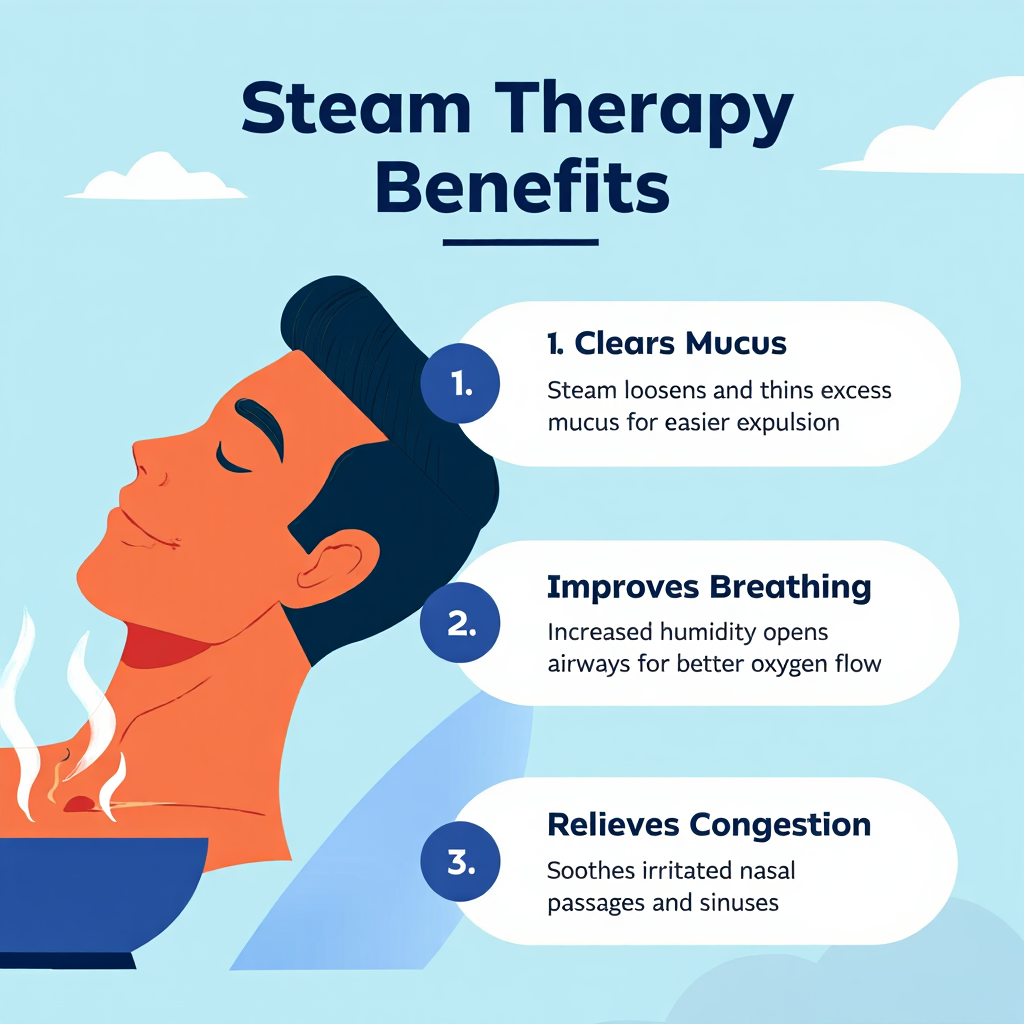
2. Steam Inhalation
Take steam for 5–10 minutes to clear mucus, relax airways, and improve breathing.
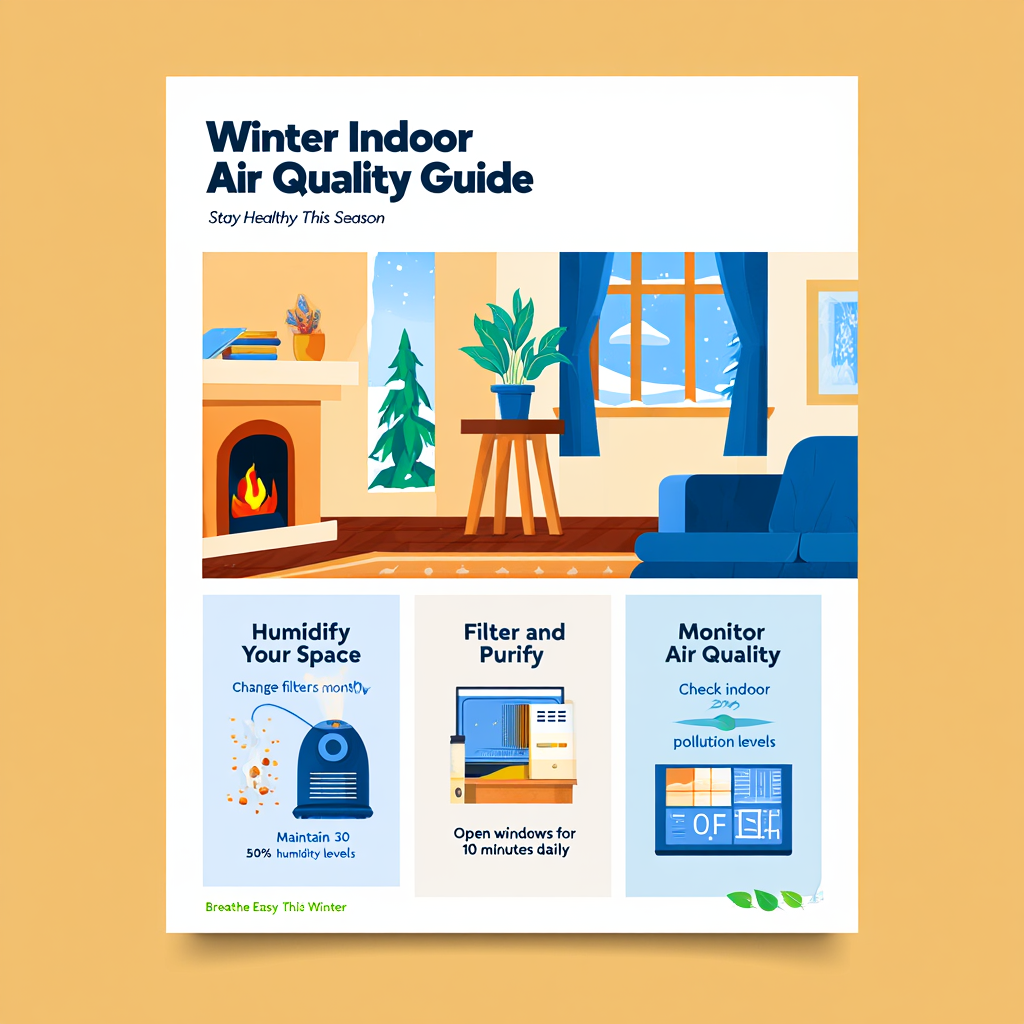
3. Use a Humidifier
Indoor heating and cold air dry your lungs. A humidifier keeps moisture in the air, making breathing safer and more comfortable.
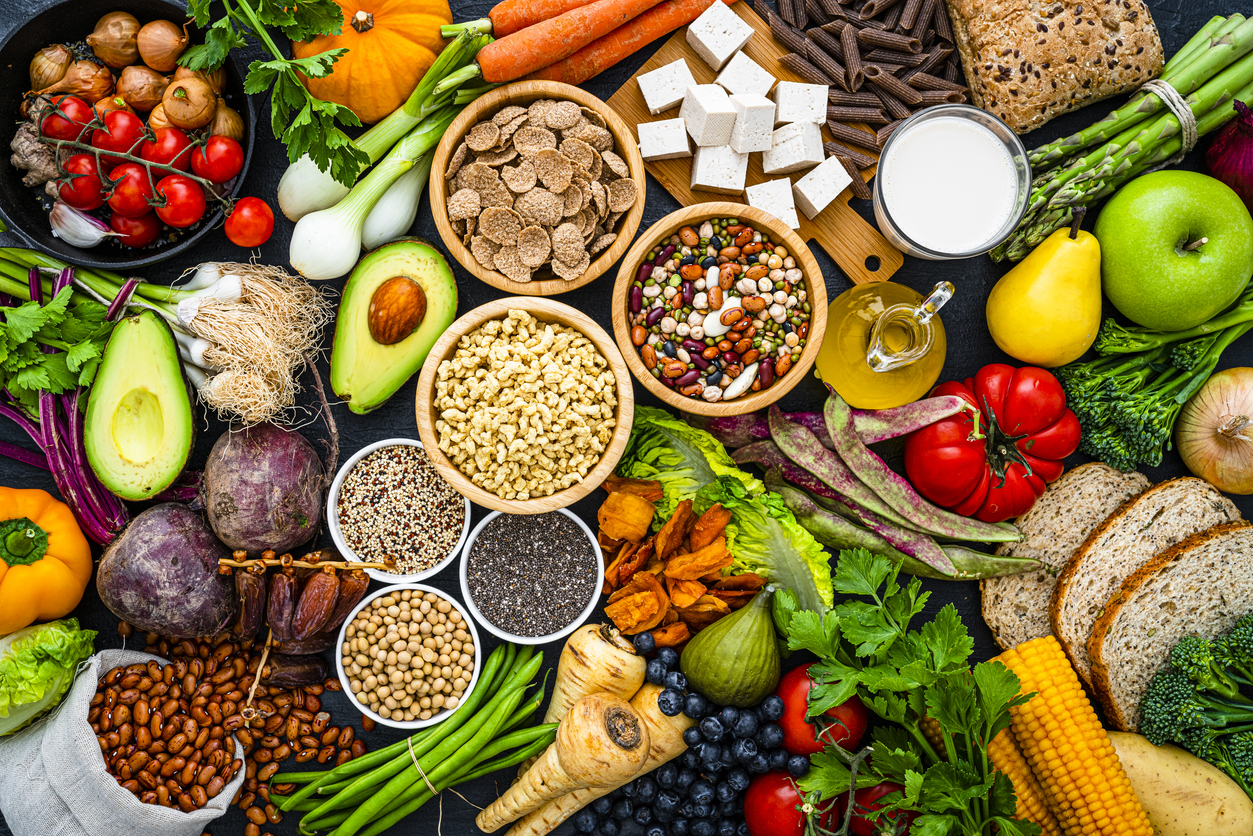
4. Eat Lung-Cleansing Foods
Include foods that protect your lungs:
- Ginger
- Turmeric
- Tulsi (holy basil)
- Garlic
- Warm soups
These reduce inflammation and boost immunity.


5. Stay Hydrated
Water thins mucus in the lungs, helping you breathe better. Drink warm water or herbal tea throughout the day.
6. Avoid Early Morning & Late Night Outdoors
Pollution levels peak during these times. Prefer going outside between 11 AM to 4 PM when air is clearer.
7. Keep Your Home Clean
Dust, smoke, and indoor pollution can trigger lung problems.
Try:
- Regular sweeping & mopping
- Avoid incense, candles, or indoor smoking
- Keep windows closed on high-smog days
8. Practice Breathing Exercises
Deep breathing, pranayama, and simple chest-opening exercises strengthen your lungs and increase oxygen flow.
9. Take Vitamin C & Antioxidants
They protect your lungs from pollution damage. Include oranges, amla, lemon, and green leafy vegetables.
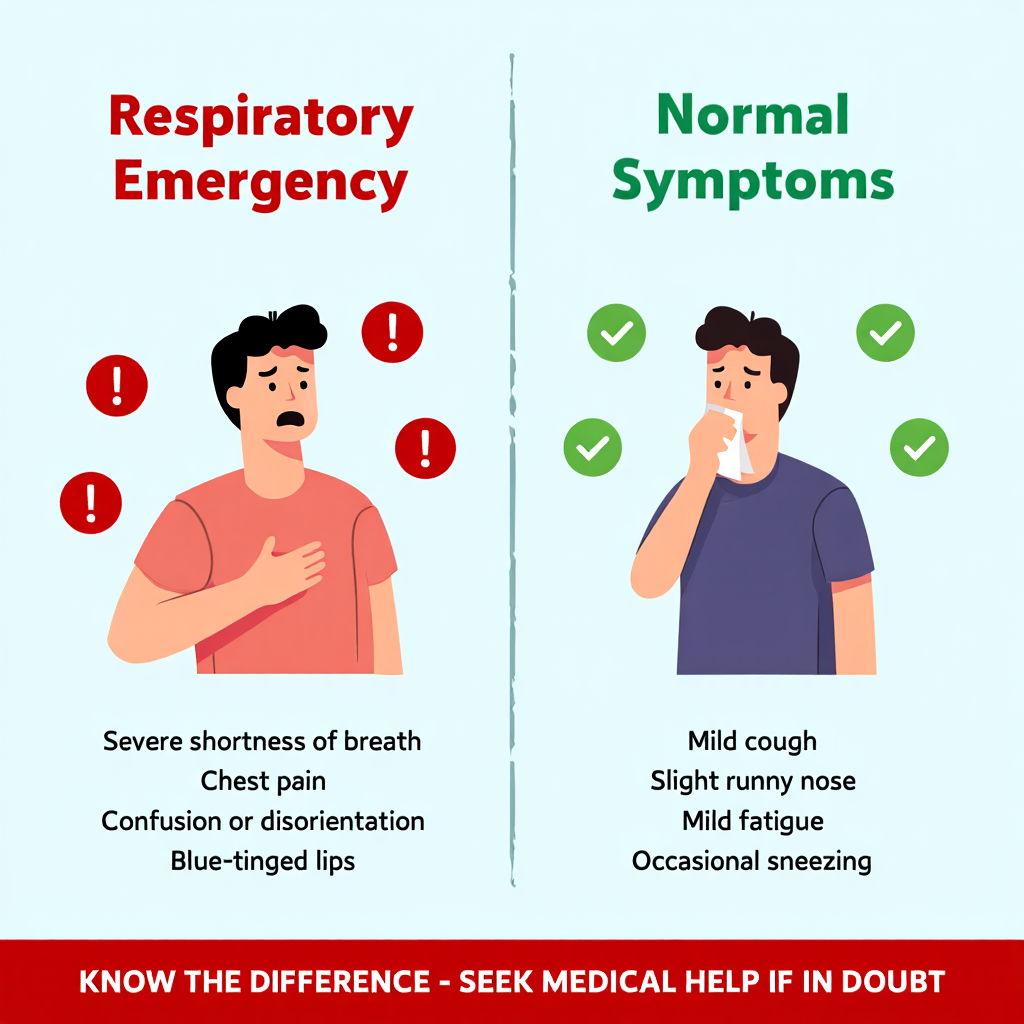
10. Know When to See a Doctor
If you experience:
- Persistent cough
- Chest tightness
- Breathlessness
- Wheezing
Seek medical help immediately.
Final Thoughts
Winter pollution is harsh on your lungs, but simple daily habits—like wearing a mask, staying hydrated, eating lung-friendly foods, and avoiding peak smog hours—can protect your breathing and boost your overall health.