In today’s fast-paced lifestyle, the body often becomes the silent victim of stress, pollution, and unhealthy habits. Over time, this leads to fatigue, muscle stiffness, dull skin, bloating, and decreased energy levels. To restore balance, your body needs more than just a break—it needs true rejuvenation. That’s exactly where Aroma, Detox & Slimming Body Treatments come in.
Aromatherapy: Relaxation for the Mind & Body
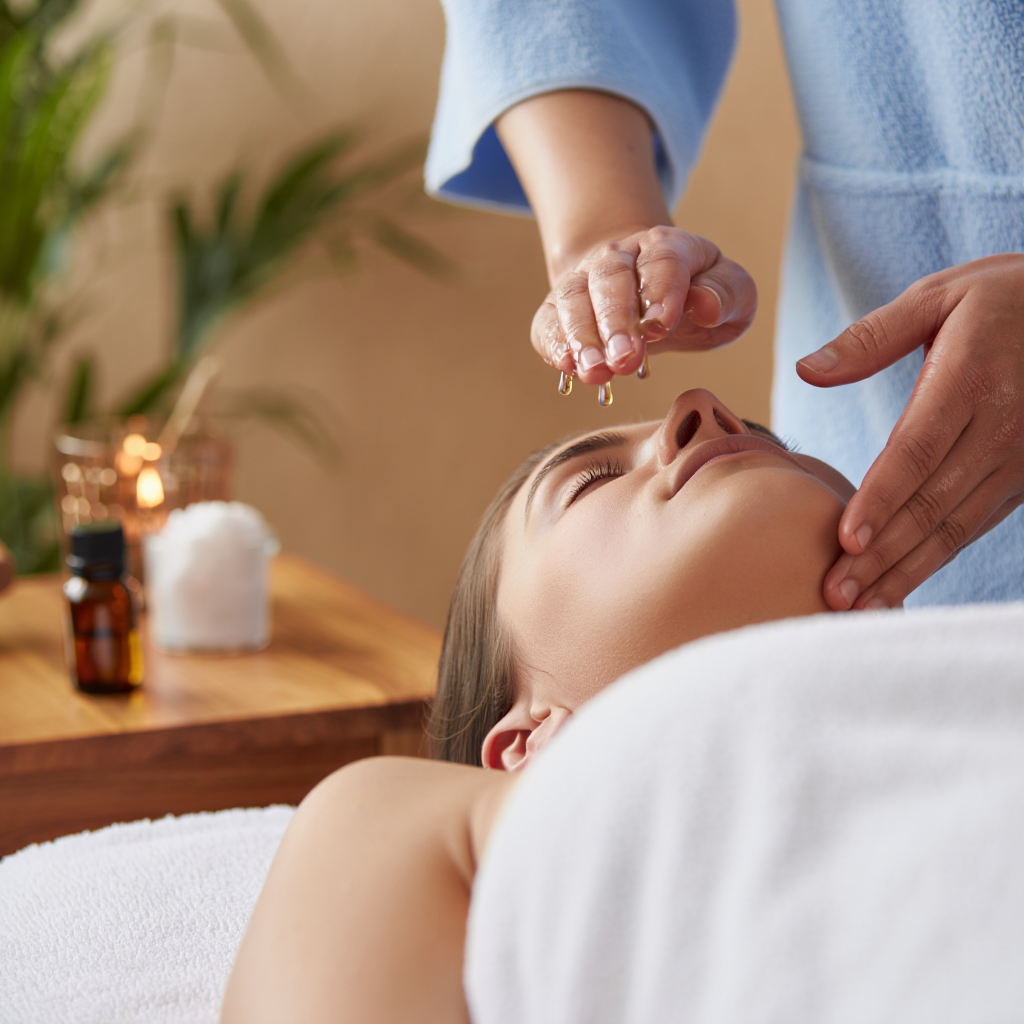
Aromatherapy uses natural essential oils that not only relax your muscles but also uplift your mood. The soothing fragrances help calm the nervous system, reduce anxiety, and promote emotional balance. With gentle massage techniques, aromatherapy melts away physical tension and helps the mind enter a state of deep relaxation.
Benefits:
Relieves stress & mental fatigue
Improves sleep quality
Enhances mood & emotional well-being
Softens and nourishes the skin
Detox Body Treatments: Cleanse & Re-energize
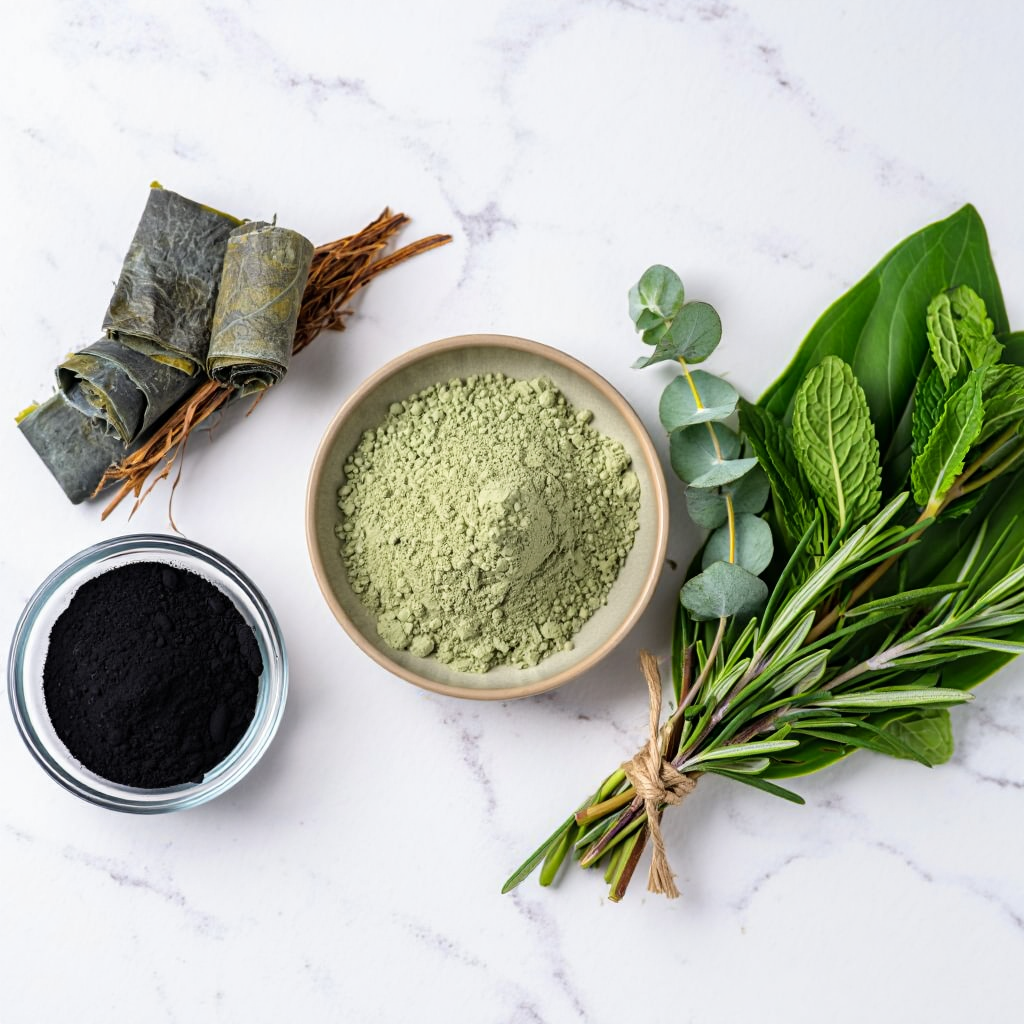
Toxins accumulate in the body due to pollution, lifestyle, and processed foods. Detox treatments like body wraps, scrubs, and herbal packs help eliminate impurities while boosting blood circulation.
Why Detox Matters:
Flushes out toxins
Restores natural skin glow
Reduces water retention
Improves metabolism
Leaves the body feeling lighter & refreshed
Detox therapies are especially powerful when combined with exfoliation, which removes dead skin cells and allows the body to absorb nutrients more efficiently.
Slimming Treatments: Sculpt, Tone & Define
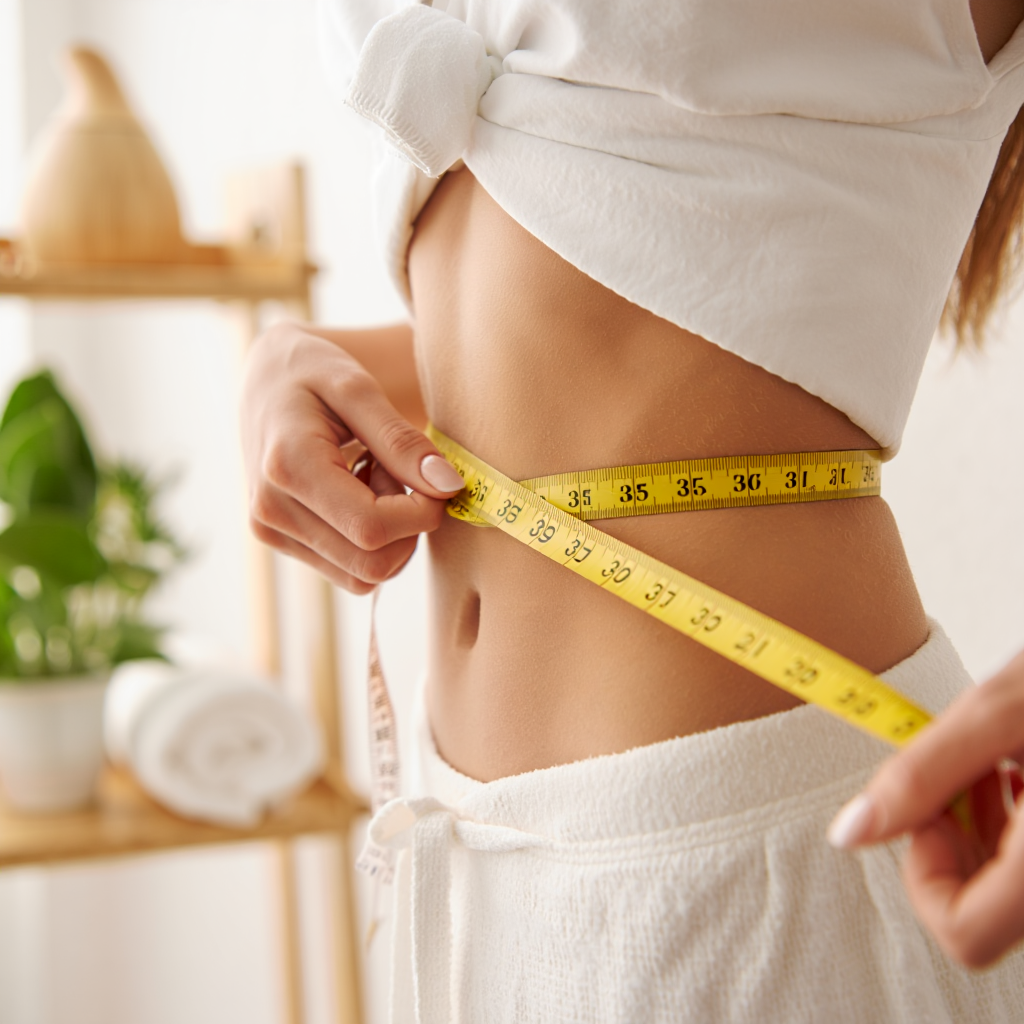
Slimming treatments focus on reducing stubborn fat, improving skin firmness, and enhancing body contours. These are usually performed using specialized techniques such as lymphatic massages, thermal wraps, or advanced shaping therapies.
What You Can Expect:
Reduction in inches & bloating
Improved muscle tone
Better skin elasticity
A more sculpted silhouette
Boost in overall confidence
While not a replacement for healthy lifestyle habits, slimming treatments act as an effective support system for achieving body goals.
Total Rejuvenation: A Complete Wellness Experience
When aroma, detox, and slimming treatments are combined, they create a holistic experience—relaxing your mind, purifying your body, and contouring your shape all at once.
The result? A refreshed mind, revitalized skin, and a lighter, more energized body.
Who Should Try These Treatments?
These therapies are ideal for anyone who:
Feels stressed or mentally drained
Struggles with bloating or low energy
Wants smoother, glowing skin
Is aiming for a toned, sculpted look
Needs a wellness reset
Final Thoughts
Investing in body treatments isn’t just a luxury—it’s an act of self-care. Aroma, detox, and slimming therapies offer a beautiful balance of relaxation and transformation, leaving you feeling renewed from the inside out.
In today’s fast-paced world, our body often carries the weight of stress, pollution, fatigue, and daily responsibilities. While we focus on hair and face care, the body—our largest canvas—often gets overlooked. Soul & Skin Recharge Rituals are designed to bring back balance, peace, and glow from head to toe. These rejuvenating therapies don’t just work on your skin; they nurture your mind and soul too.
✨ 1. Detox: Release What Your Body Doesn’t Need
Detox body treatments focus on pulling out impurities, reducing water retention, and improving circulation. From mineral-rich body wraps to herbal detox applications, these therapies help:
Flush out toxins
Improve skin texture
Reduce bloating
Enhance energy levels
A detox ritual is the perfect reset button for anyone feeling tired, dull, or drained.
✨ 2. Hydrate: Feed the Skin What It Craves
Just like the face, the body needs deep hydration to stay glowing and soft. Hydrating therapies use nourishing butters, aromatic oils, and moisturizing masks to:
Repair dry, flaky patches
Restore elasticity
Lock in moisture
Leave the skin velvety smooth
Hydration rituals are perfect after long hours in air-conditioning, sun exposure, or seasonal dryness.
✨ 3. Relax: Melt Away Stress from Body & Mind
Relaxation therapies are designed to calm the nervous system and dissolve fatigue. Whether it’s aromatherapy, hot oil massage, or a soothing body polish, these treatments offer:
Deep stress relief
Muscle relaxation
Better sleep quality
Emotional balance
A relaxed body creates space for emotional clarity and mental peace—true wellness starts here.
✨ Why Soul & Skin Recharge Rituals?
Because real beauty begins with inner calm and outer nourishment. These rituals work holistically to:
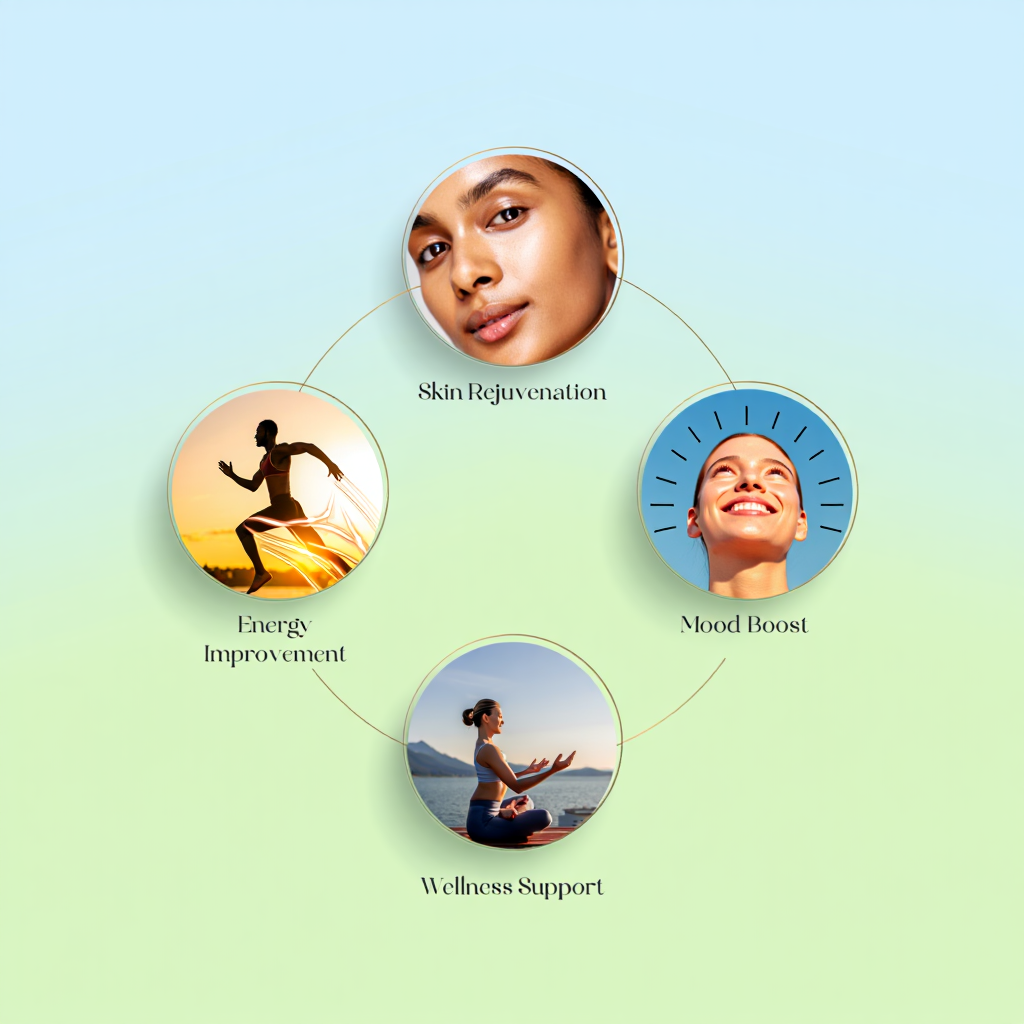
✔ Rejuvenate your skin ✔ Boost your mood ✔ Improve your energy ✔ Support overall wellness
They are your personal escape—an hour dedicated only to YOU.
A healthy scalp is the foundation of strong, beautiful, and long-lasting hair. Whether you’re dealing with hair fall, dryness, dandruff, or slow regrowth, the root cause often lies beneath the surface—your scalp. Expert hair care services focus not just on improving the appearance of your hair but also nourishing the scalp to create an ideal environment for growth.
In this blog, we explore how professional therapies can transform your hair health from the roots up.
1. Why Scalp Health Matters
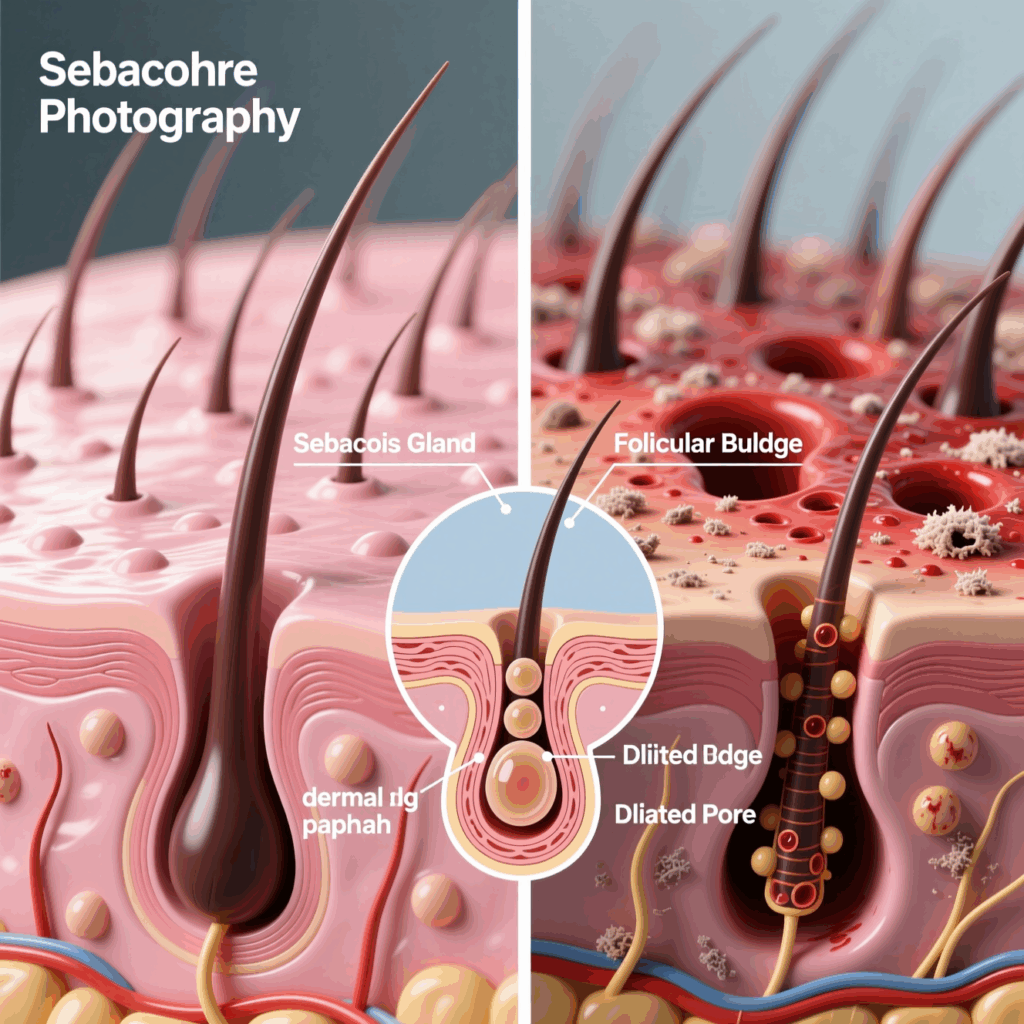
Your scalp is like soil for your hair. When it’s nourished, hydrated, and clean, hair grows thicker and stronger. But when the scalp is dry, oily, or clogged, issues like dandruff, weak roots, and excessive shedding begin to appear.
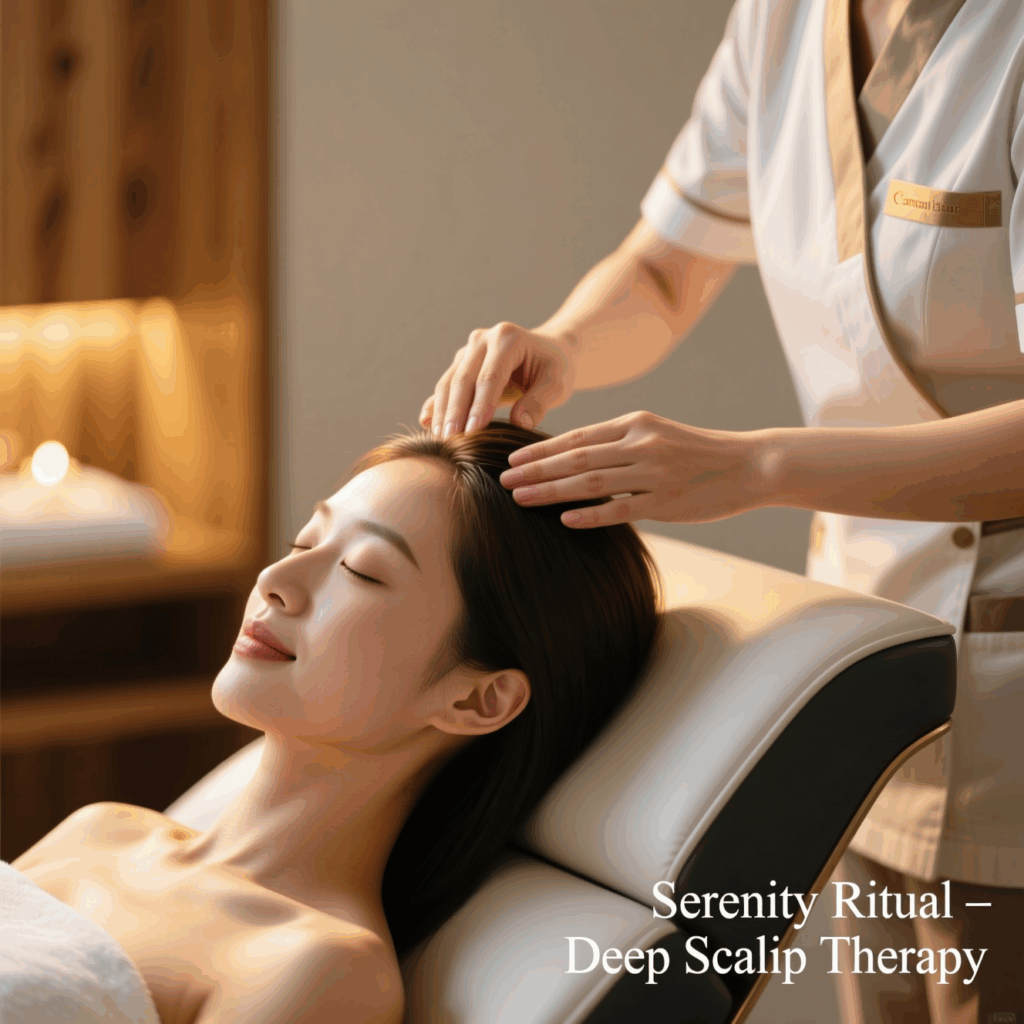
2. Scalp Therapy for Improved Circulation
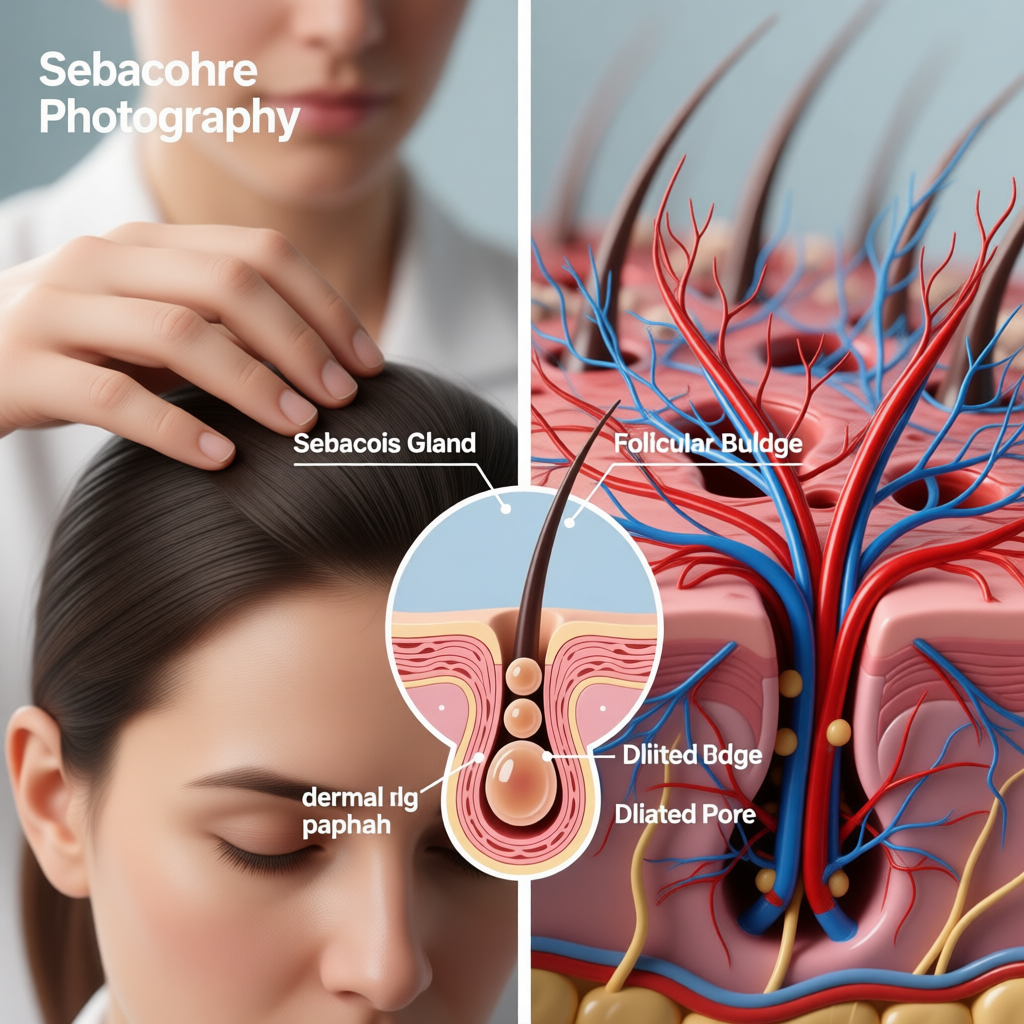
Expert scalp therapies use massage techniques, essential oils, and advanced tools to increase blood flow. Better circulation delivers more nutrients to hair follicles and strengthens roots naturally.
3. Herbal & Natural Hair Fall Remedies
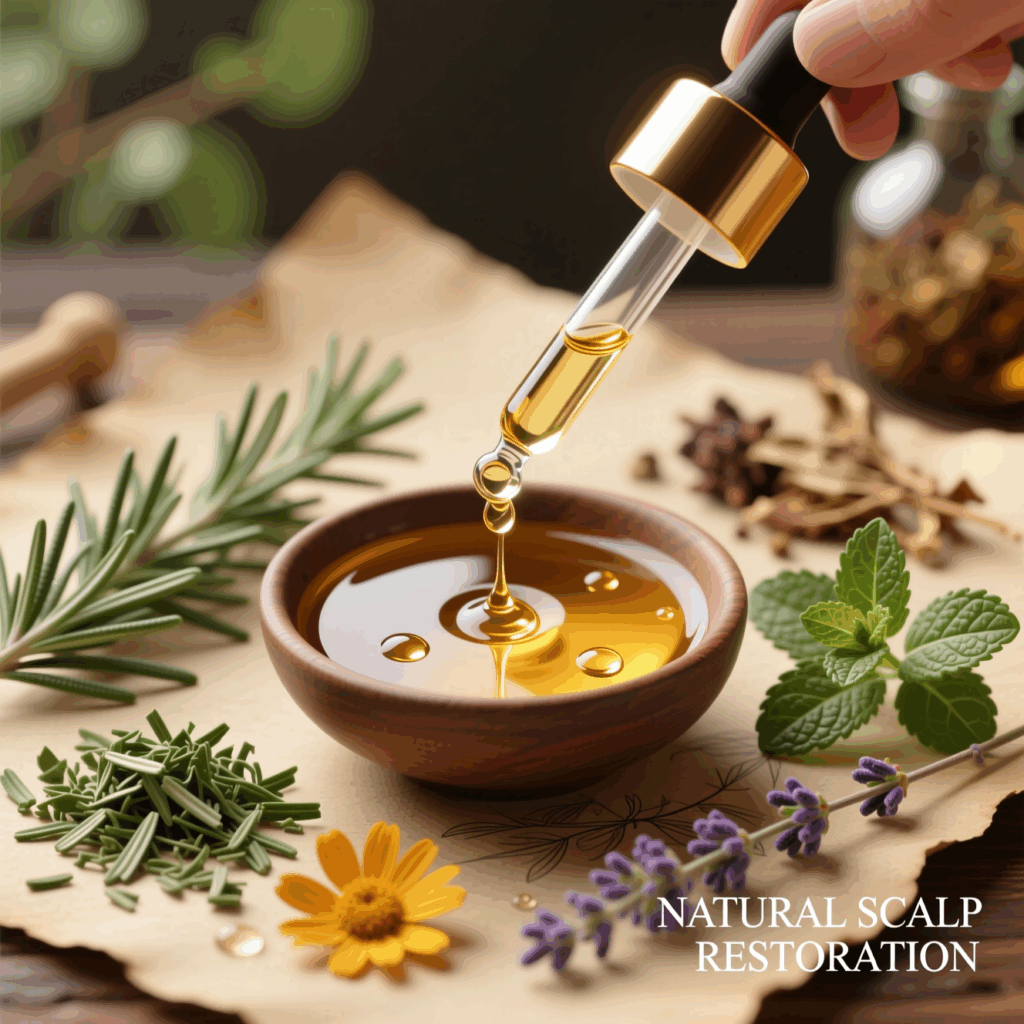
Natural extracts such as amla, bhringraj, fenugreek, aloe vera, and rosemary oil help reduce hair fall, soothe scalp irritation, and promote regrowth without harsh chemicals.
Image Suggestion:
✔ Flat lay of herbal ingredients ✔ Person applying herbal hair mask
4. Advanced Hair Spa for Repair & Nourishment
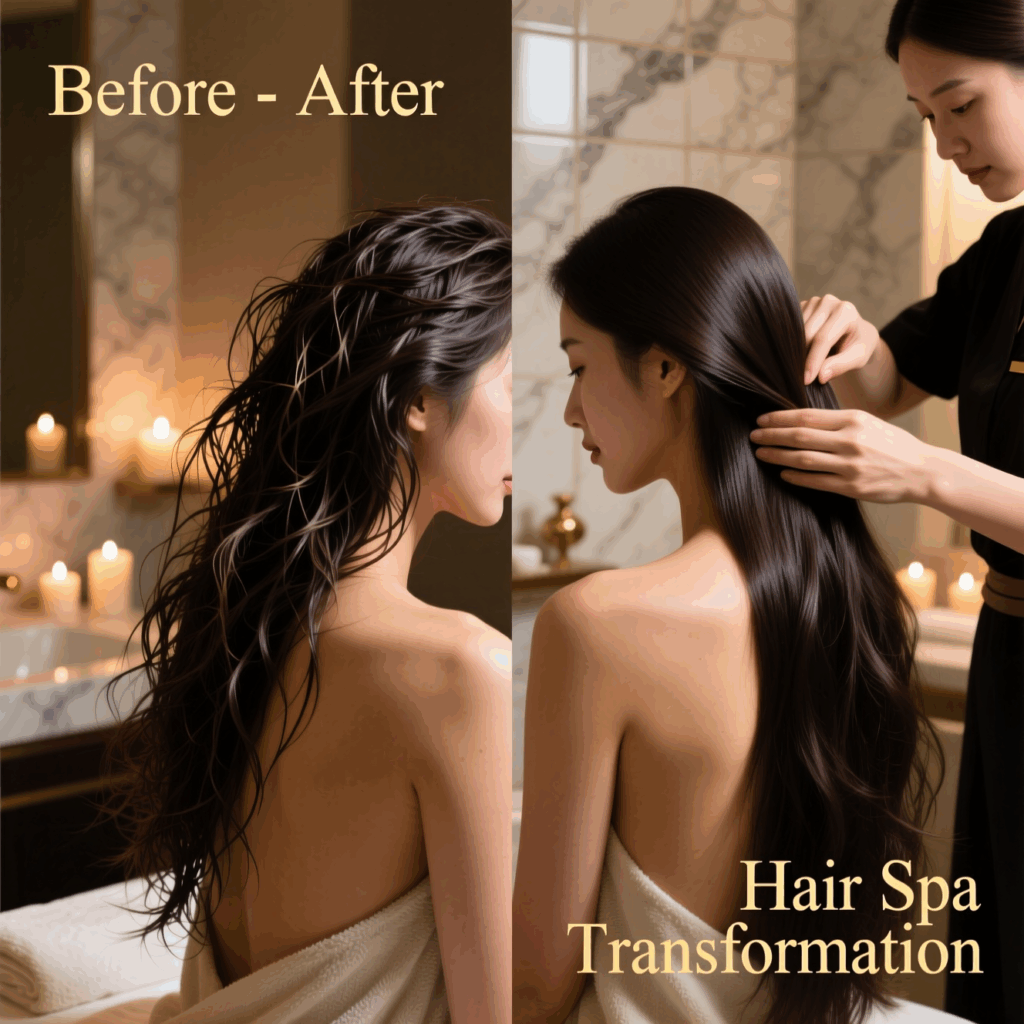
Deep-conditioning hair spa treatments target dryness, frizz, and damage. Rich serums and masks restore moisture, repair the hair shaft, and add long-lasting shine.
5. Scalp Detox for Dandruff & Build-Up
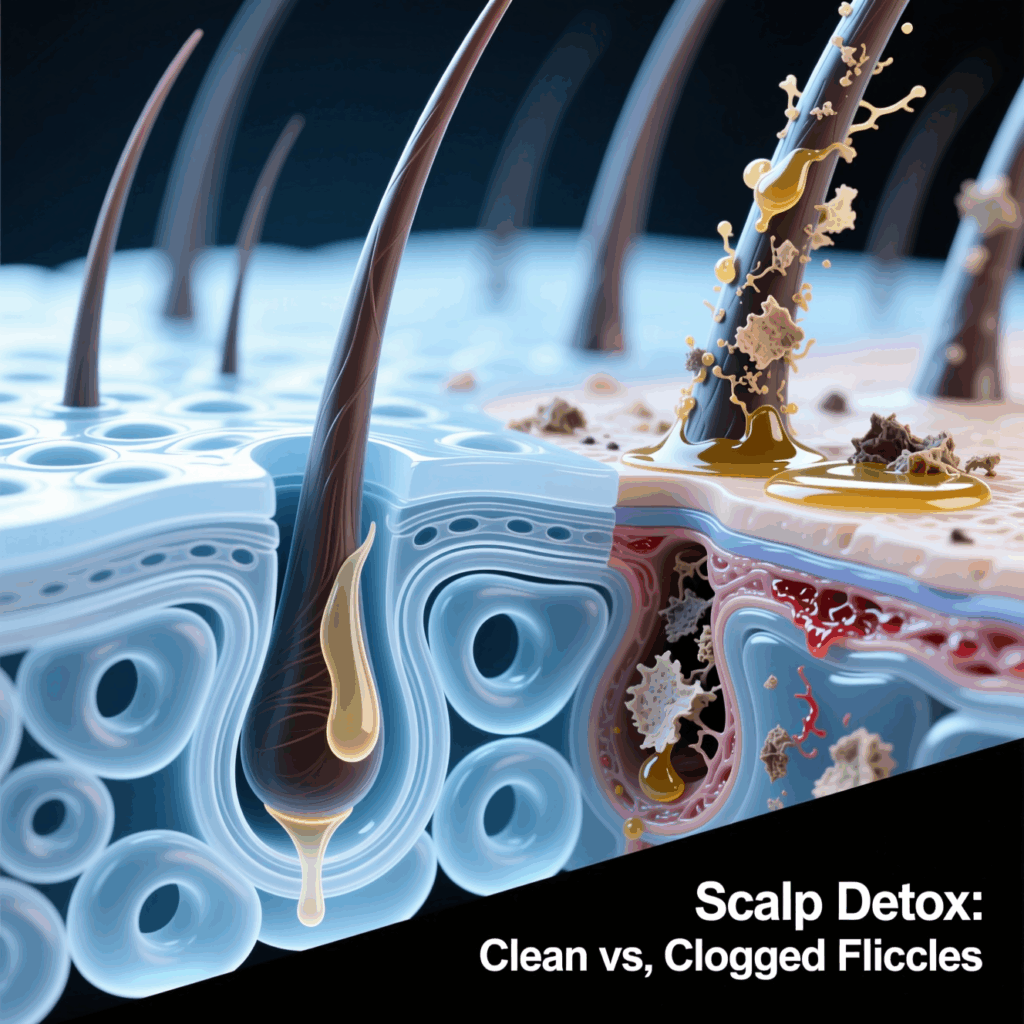
A professional scalp detox removes flakes, oil buildup, product residue, and blocked pores. This creates a cleaner environment for new hair to grow.
6. Hydration Therapy for Scalp Health
Hydration therapies add essential moisture back to dry and itchy scalp. When the scalp barrier is healthy, hair becomes softer, fuller, and more manageable.
7. Customized Hair Regrowth Programs
Every scalp is unique, which is why personalized hair treatment plans give the best results. These may include a combination of scalp therapy, serums, micro-mist hydration, herbal solutions, and lifestyle recommendations.
Conclusion
Healthy hair always starts with a healthy scalp. With expert treatments, natural ingredients, and advanced care, you can strengthen roots, reduce hair fall, and enjoy fuller, shinier hair. Whether you’re battling dandruff, dryness, or thinning, a professional approach ensures long-lasting results.
Hair fall has become a common issue across all age groups today—whether due to stress, hormonal imbalance, pollution, or using the wrong hair products. But the good news is that with advanced hair-care technologies and scalp-focused therapies, it is now possible to achieve long-lasting results.
In this blog, we’ll explore how these advanced solutions rejuvenate your scalp, strengthen the roots, and boost natural regrowth.
1. Trichology-Based Scalp Analysis
The first step in hair regrowth is proper diagnosis. Trichologists use high-resolution scalp scanners to understand:
Hair density
Follicle strength
Scalp hydration
Oil & dandruff levels
Why it matters: Accurate diagnosis = better, customized treatment.
2. PRP / GFC Hair Regrowth Therapy
Platelet-Rich Plasma (PRP) and Growth Factor Concentrate (GFC) therapies are among the most popular clinically proven treatments today.
Benefits:
Activates dormant follicles
Reduces hair thinning
Boosts new growth naturally
Strengthens weak roots
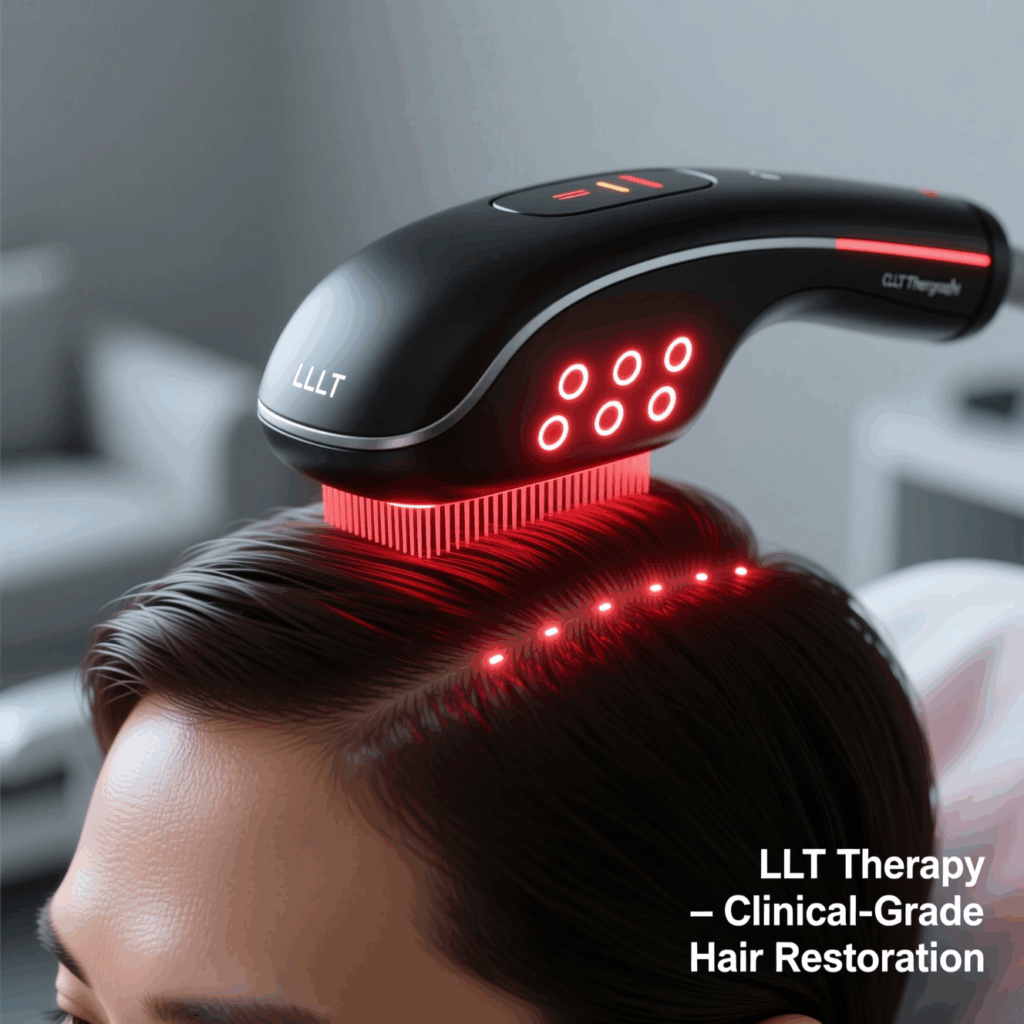
3. Low-Level Laser Therapy (LLLT)
Laser light technology improves scalp microcirculation and energizes follicle cells.
Ideal for:
Pattern hair loss
Early thinning
Reduced hair density
4. Natural & Botanical Scalp Treatments
Advanced doesn’t always mean chemical-heavy. Herbal-infused advanced treatments offer the best of both worlds.
Includes:
Rosemary growth serums
Bhringraj concentrates
Neem & tea tree scalp detox
Amla & peptide boosters
Benefits:
Gentle yet effective
Nourishes the scalp
Repairs damage
5. Advanced Hair Spa & Deep Nourishment
For damaged, frizzy, dry, or chemically treated hair, an advanced hair spa works like therapy.
Benefits:
Restores moisture
Repairs cuticle damage
Improves shine & texture
Makes hair more manageable
6. Scalp Detox for Dandruff & Oil Control
A blocked scalp = slow hair growth. Detox therapies remove impurities, sebum build-up, and dandruff flakes.
Results:
Fresh, breathable scalp
Reduced itchiness
Faster hair-growth environment
7. Customized Regrowth Plans
Every individual’s hair-loss journey is different. That’s why personalized regrowth plans deliver better results.
May include:
Serum combinations
Nutrition guidance
Laser + PRP combinations
Hydration therapy
Anti-dandruff protocols
Final Words
Advanced hair-fall treatments are not limited to external care—they heal the scalp, activate follicles, and help hair grow naturally thicker and fuller.
A healthy scalp leads to healthy hair. Scalp stimulation therapies help enhance blood circulation, which activates hair follicles and boosts natural hair growth.
Benefits:
Better absorption of nutrients
Stronger roots
Reduced hair fall
2. Herbal & Natural Remedies for Hair Fall Control
Herbal ingredients like Bhringraj, Amla, Neem, Fenugreek (Methi), Aloe Vera, and Rosemary are scientifically known to minimize hair fall and strengthen roots.
Benefits:
Chemical-free care
Deep nourishment from the roots
Reduces breakage and thinning
3. Advanced Hair Spa for Nourishment & Repair
An advanced hair spa helps restore moisture, repair internal hair damage, and enhance shine—ideal for dry, frizzy, or color-treated hair.
Benefits:
Deep conditioning
Repairs hair from within
Smooth, shiny texture
4. Dandruff & Scalp Detox Treatments
Dandruff isn’t always caused by dryness; sometimes, it can be due to fungal buildup or excess oil. Scalp detox treatments remove impurities, buildup, and flakes effectively.
Benefits:
Cleaner, healthier scalp
Reduced itchiness
Promotes better hair growth
5. Hydration Therapy for Scalp Balance
A dry scalp can lead to dandruff, itching, and weak roots. Hydration therapy restores essential moisture and improves overall scalp health.
Benefits:
Relief from dryness
Softer roots
Improved scalp balance and comfort
6. Customized Hair Regrowth Solutions
Every scalp is unique—personalized regrowth plans deliver the best results. Clinics use trichoscopy and hair analysis to tailor treatments based on your scalp condition.
May include:
Growth serums
PRP / GFC therapy
Customized herbal blends
Low-level laser therapy
Final Thoughts
A combination of natural and advanced treatments helps heal your scalp and hair on a deeper level. With consistent care, the right therapies, and expert guidance, you can achieve long-lasting regrowth, stronger roots, and naturally healthier-looking hair.
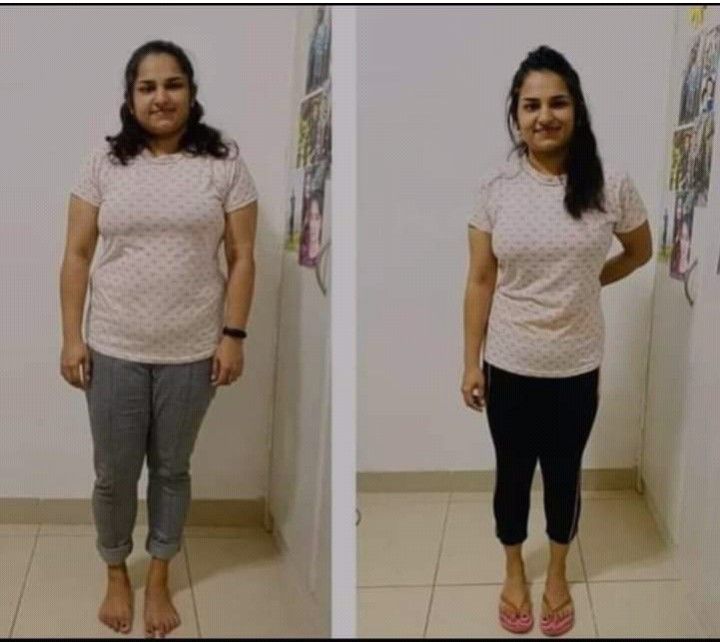
Losing weight as a woman requires a balanced approach that combines proper nutrition, hydration, and lifestyle habits. This 7-day diet plan is designed specifically for women to burn fat, boost metabolism, and maintain energy without compromising health.
Disclaimer: Individual results may vary based on age, metabolism, and activity levels. Always consult a healthcare professional before starting a new diet plan.
Key Principles for Women’s Weight Loss
Women’s bodies often require slightly different dietary considerations due to hormonal balance, metabolism, and nutrient needs.
Calorie Control: Aim for a moderate calorie deficit (around 500 calories per day) without extreme restriction.
Protein-Rich Foods: Maintain muscle mass and improve satiety.
High-Fiber Foods: Vegetables, fruits, and whole grains reduce cravings and improve digestion.
Healthy Fats: Avocado, nuts, seeds, and olive oil support hormones and overall health.
Hydration: Drink at least 2.5–3 liters of water daily.
Meal Frequency: 4–5 smaller meals a day help maintain energy and stabilize blood sugar.
Exercise: Combine cardio, strength training, and core workouts for optimal results.
General Guidelines
Avoid processed foods, sugary snacks, fried foods, and soft drinks.
Limit refined carbs (white rice, white bread, pastries).
Include at least 30–60 minutes of physical activity daily.
Sleep 7–8 hours per night for optimal metabolism.
Track your portions and avoid overeating, even with healthy foods.
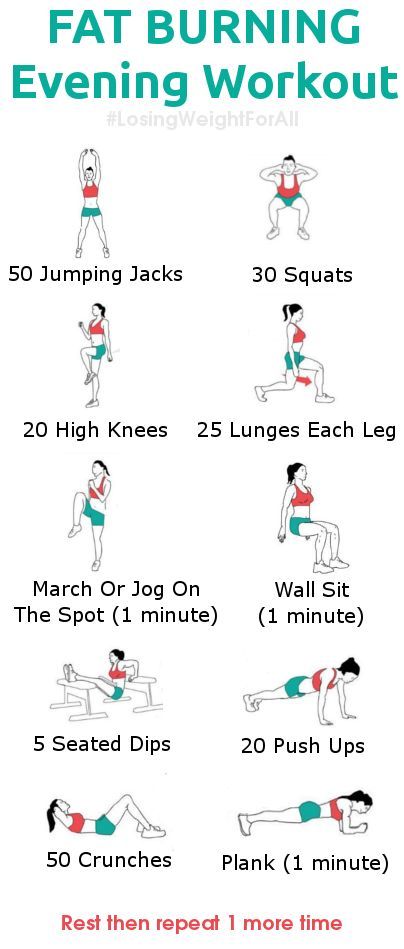
Losing weight doesn’t always require a gym membership or expensive equipment. With the right exercises, consistency, and motivation, women can effectively burn calories and tone their bodies right from the comfort of home.
1. Benefits of Doing Weight Loss Exercises at Home
Working out at home offers flexibility and convenience. Here are some key benefits:
No need for gym equipment
Saves time and money
Comfort and privacy
You can work out anytime
2. Warm-Up Before You Start
A proper warm-up prepares your body for exercise, improves blood circulation, and prevents injuries.
a. Simple Warm-Up Routine (5–7 Minutes)
Jumping Jacks – 1 minute
Arm Circles – 30 seconds forward and backward
Hip Circles – 1 minute
High Knees – 1 minute
Bodyweight Squats – 1 minute
3. Effective Weight Loss Exercises for Women
a. Cardio and Lower Body
These exercises help burn fat and tone legs and glutes.
Jump Squats – 3 sets of 15 reps
Lunges (Alternating) – 3 sets of 12 reps per leg
Mountain Climbers – 3 sets of 30 seconds
b. Core and Abs
Strengthen your midsection and slim your waistline.
Plank – 3 sets of 30–45 seconds
Russian Twists – 3 sets of 20 reps
Leg Raises – 3 sets of 15 reps
Bicycle Crunches – 3 sets of 20 reps
c. Upper Body and Arms
Tone your arms, shoulders, and back muscles.
Push-Ups – 3 sets of 10–12
Tricep Dips (using a chair) – 3 sets of 12
Shoulder Taps – 3 sets of 30 seconds
4. Cool Down and Stretch
Stretching helps your muscles recover and reduces soreness.
a. Cool Down Routine (5–10 Minutes)
Forward Fold Stretch
Cobra Pose
Child’s Pose
Shoulder Rolls
Side Stretch
5. Weekly Workout Schedule Example
Day
Workout Focus
Monday
Full Body Workout
Tuesday
Lower Body + Cardio
Wednesday
Rest or Yoga
Thursday
Upper Body + Core
Friday
Cardio HIIT
Saturday
Full Body Routine
Sunday
Rest / Stretch
6. Optional Equipment Add-Ons
To make your workouts more effective:
Resistance Bands: Great for glute and leg workouts
Dumbbells or Water Bottles: Add resistance for arms
Skipping Rope: Perfect for short, intense cardio sessions
7. Diet and Lifestyle Tips for Better Results
a. Nutrition
Eat more protein-rich foods (eggs, fish, lentils)
Include fiber and vegetables for fullness
Avoid processed sugar and junk food
b. Hydration
Drink at least 2–3 liters of water daily to stay hydrated and flush out toxins.
c. Rest and Recovery
Get 7–8 hours of sleep every night to help your body recover and maintain energy levels.
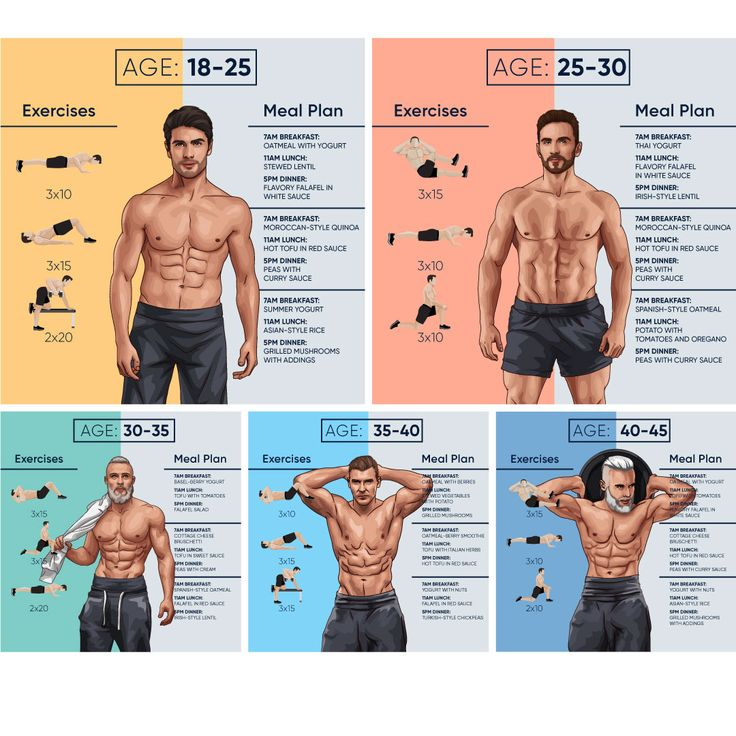
Weight loss for men requires a combination of targeted exercise, strength training, and cardiovascular activity. Men typically have higher muscle mass than women, which allows for more calorie burn at rest. However, stubborn fat around the abdomen and chest often requires a strategic approach combining fat-burning cardio, muscle-building resistance training, and high-intensity workouts. By following a structured exercise plan, men can accelerate fat loss, build lean muscle, and improve overall fitness.
Principles of Weight Loss Exercises for Men
Men’s weight loss is most effective when exercises focus on creating a calorie deficit, building lean muscle, and improving cardiovascular endurance. High-intensity workouts increase metabolism and burn more calories both during and after exercise. Strength training promotes muscle growth, which elevates resting metabolic rate and improves body composition. Consistency, proper form, recovery, and a nutrient-rich diet are crucial factors that enhance the effectiveness of any exercise program for men.
High-Intensity Interval Training (HIIT)
HIIT is one of the most effective methods for male fat loss. This involves short bursts of high-intensity activity followed by brief recovery periods, which maximize calorie burn in minimal time. Exercises like sprint intervals, burpees, jump squats, mountain climbers, and kettlebell swings are excellent choices. Performing HIIT 3–4 times a week improves cardiovascular endurance, accelerates fat burning, and increases metabolism. Men can combine HIIT with strength training on alternate days to achieve balanced results.
Strength training is essential for men who want to lose fat and build a toned, muscular physique. Compound exercises like squats, deadlifts, bench presses, pull-ups, and rows target multiple muscle groups and stimulate calorie burn. Upper-body exercises strengthen the chest, arms, and back, while lower-body workouts tone the legs and glutes. Building lean muscle not only improves body composition but also increases daily calorie expenditure, which aids long-term fat loss. Resistance training 3–5 times per week is highly effective when combined with proper nutrition.
Cardiovascular Workouts for Fat Loss
Cardio workouts are critical for burning calories and improving heart health. Running, cycling, swimming, or rowing for 30–60 minutes increases fat oxidation and supports cardiovascular endurance. Alternating between moderate-intensity steady-state cardio and interval training accelerates fat loss. Men can include cardio sessions on HIIT rest days or combine them with strength routines for maximum fat-burning potential.
Core and Abdominal Exercises
A strong core improves posture, enhances overall strength, and helps achieve a toned midsection. Core workouts for men include planks, bicycle crunches, hanging leg raises, Russian twists, and mountain climbers. While spot reduction is limited, strengthening the abdominal muscles complements overall fat loss and provides a sculpted, firm core. Core training should be incorporated 3–4 times a week along with full-body workouts for optimal results.
Functional and Full-Body Workouts
Functional exercises that engage multiple muscle groups simultaneously are highly effective for men. Movements like kettlebell swings, burpees, squat-to-press, and push-up-to-row combinations target several muscles, improve coordination, and increase calorie burn. Full-body workouts provide the dual benefits of fat loss and muscle toning while enhancing endurance and strength. Performing these exercises 2–3 times a week ensures consistent results.
Low-Impact Alternatives
Men who are beginners, recovering from injuries, or looking for low-impact options can benefit from walking, swimming, elliptical workouts, or yoga. These exercises promote calorie burn without excessive strain on joints while improving flexibility and overall fitness. Low-impact workouts can be gradually intensified over time as strength and stamina improve.
Weekly Exercise Plan Example for Men
A sample weekly plan for men could include three days of HIIT, two days of strength training, and two days of cardio or active recovery. For example, Monday: HIIT, Tuesday: upper-body strength, Wednesday: moderate cardio, Thursday: HIIT, Friday: lower-body strength, Saturday: steady-state cardio, Sunday: yoga or rest. This schedule ensures balanced fat loss, muscle development, and recovery, optimizing both calorie burn and lean muscle growth.
Supporting Lifestyle for Weight Loss
Alongside exercise, men should maintain a balanced diet, proper hydration, and adequate sleep. Lean proteins, complex carbohydrates, vegetables, and healthy fats provide the energy required for workouts and support muscle repair. Drinking sufficient water aids metabolism, digestion, and fat loss. Additionally, 7–8 hours of sleep per night is vital for hormonal balance, recovery, and overall fitness. Stress management, mindfulness, and avoiding processed foods or sugary drinks further enhance results.
Expected Results
With consistent effort and adherence to this exercise plan, men can expect noticeable fat loss, improved muscle tone, better cardiovascular fitness, and increased energy. Depending on workout intensity, diet adherence, and individual metabolism, results may include a reduction in belly fat, improved strength, and a more defined, leaner physique. Combining high-intensity exercise, strength training, and cardio with healthy lifestyle habits ensures sustainable fat loss and overall health improvement.
Fat loss for women requires a strategic combination of cardiovascular exercises, strength training, and high-intensity workouts. Women often have different body compositions and hormonal balances compared to men, which means fat tends to accumulate more around the hips, thighs, and abdomen. The most effective fat-loss workouts for females target these areas while also boosting metabolism, increasing lean muscle mass, and improving cardiovascular health. Consistency, intensity, and proper nutrition are key factors that amplify results.
Principles of Fat Loss Workouts for Women
To achieve effective fat loss, women need to focus on workouts that burn calories efficiently, maintain lean muscle, and boost metabolism. Cardio workouts elevate the heart rate and promote calorie burning, while strength training builds lean muscle, which increases resting metabolic rate. High-Intensity Interval Training (HIIT) combines cardio and strength in short, intense bursts, maximizing calorie burn in a limited time. Recovery, hydration, and a balanced diet further enhance fat loss by supporting metabolism and preventing muscle fatigue or injury.
High-Intensity Interval Training (HIIT)
HIIT is one of the most effective workouts for female fat loss because it combines short bursts of high-intensity exercise with periods of rest or low-intensity movement. This approach increases calorie burn during and after the workout, thanks to excess post-exercise oxygen consumption (EPOC). Exercises like jump squats, burpees, high knees, mountain climbers, and sprint intervals are excellent HIIT options. Even 20–30 minutes of HIIT, performed 3–4 times a week, can significantly reduce body fat and tone muscles.
Strength Training for Women
Strength training is crucial for women aiming for fat loss because it builds lean muscle mass, which helps the body burn more calories at rest. Compound exercises such as squats, lunges, deadlifts, push-ups, and dumbbell rows engage multiple muscle groups, promoting fat loss while improving strength and posture. Focusing on both lower-body and upper-body strength ensures balanced muscle development, which is important for overall body shaping. Resistance bands or free weights can be added to increase intensity and effectiveness.
Cardio Workouts for Fat Burning
Cardiovascular exercise is highly effective for burning calories and improving heart health. Steady-state cardio like running, brisk walking, cycling, or swimming increases endurance and burns fat gradually. For best results, combine steady-state cardio with interval training, alternating between moderate and high intensity. Women aiming for fat loss should perform at least 30–60 minutes of cardio most days of the week. Cardio also supports metabolic health and helps reduce visceral fat around the abdomen.
Core and Abdominal Workouts
Targeting the core is important for toning the midsection and improving posture. Exercises such as planks, Russian twists, bicycle crunches, leg raises, and mountain climbers strengthen the abs, obliques, and lower back. While spot reduction is not entirely possible, a strong core improves overall body composition and enhances performance in other exercises. Incorporating core workouts 3–4 times a week alongside cardio and strength training accelerates fat loss and creates a toned midsection.
Full-Body Functional Workouts
Functional workouts that engage multiple muscle groups simultaneously are excellent for women seeking efficient fat loss. These workouts often involve bodyweight movements, kettlebells, or medicine balls and focus on improving strength, flexibility, and endurance. Examples include burpees, kettlebell swings, squat presses, and combination movements like lunge with shoulder press. Full-body workouts not only burn a significant number of calories but also improve coordination, agility, and overall body strength.
Low-Impact Options for Beginners or Joint Concerns
For women who are new to exercise, recovering from injuries, or prefer low-impact workouts, activities such as walking, swimming, elliptical training, yoga, and Pilates are excellent choices. These exercises burn calories without placing excessive stress on joints, improve flexibility, and support lean muscle development. Low-impact workouts can be gradually intensified over time as strength and endurance improve.
Weekly Workout Plan Example for Female Fat Loss
An effective weekly routine could include 3 days of HIIT, 2 days of strength training, and 2 days of low-impact or cardio-focused workouts. For example, Monday could be HIIT, Tuesday strength training, Wednesday brisk walking or yoga, Thursday HIIT, Friday strength training, Saturday moderate cardio, and Sunday active recovery. This combination ensures consistent calorie burn, balanced muscle development, and sufficient recovery for optimal fat loss.
Supporting Fat Loss with Lifestyle
Exercise alone is not enough for fat loss. Women should pair workouts with balanced nutrition, proper hydration, adequate sleep, and stress management. Consuming lean proteins, complex carbohydrates, vegetables, and healthy fats supports energy and muscle repair. Drinking plenty of water, sleeping 7–8 hours per night, and avoiding processed foods or sugary drinks accelerates fat loss and improves overall health.
Expected Results
Following this comprehensive fat-loss workout plan, women can expect gradual and sustainable weight loss, reduction in body fat, improved muscle tone, better cardiovascular health, and increased energy levels. Visible changes may appear within a few weeks, depending on workout intensity, diet, and individual metabolism. Combining consistency with smart nutrition and proper recovery ensures long-term results and a healthier, more toned body.
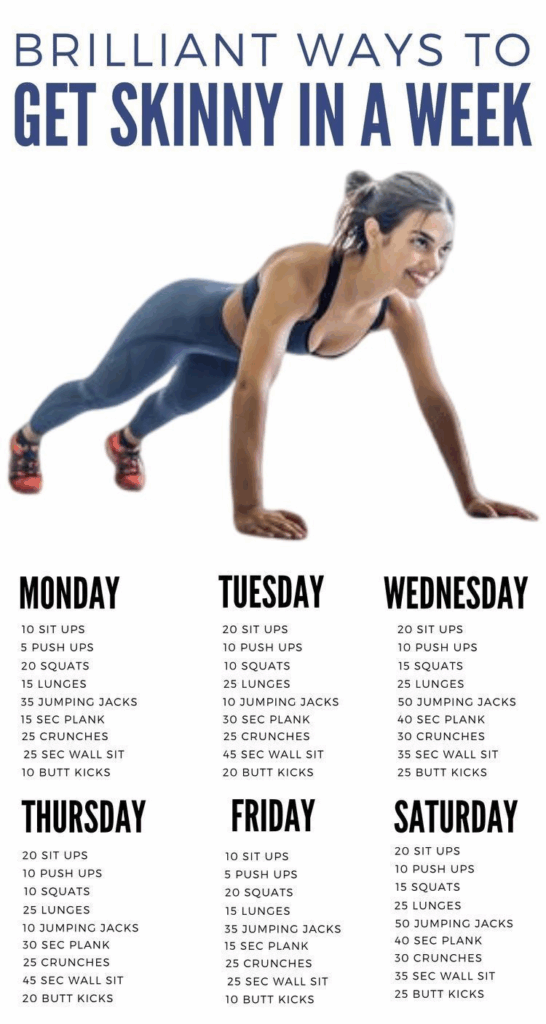
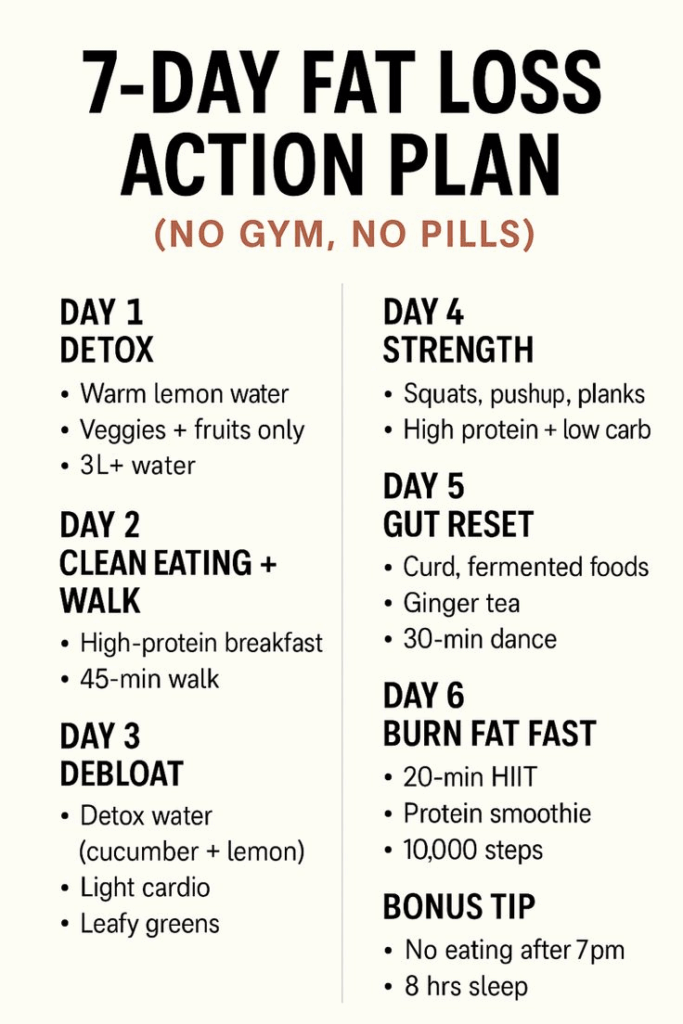
Losing weight in just seven days is ambitious but achievable if you focus on high-intensity workouts, targeted exercises, and proper recovery. While short-term results are often a combination of fat loss, water weight reduction, and improved muscle tone, exercising strategically can help jumpstart a sustainable weight loss journey. The key is to combine cardio, strength training, core exercises, and flexibility routines to maximize calorie burn and enhance metabolism.
Principles of a 7-Day Weight Loss Exercise Plan
To achieve rapid results in a week, certain principles must be followed. First, consistency is essential: daily activity, even for 30–60 minutes, ensures your body maintains a calorie deficit. Second, high-intensity exercises such as HIIT or circuit training increase calorie burn both during and after workouts. Third, targeting multiple muscle groups through compound exercises helps tone the body while promoting fat loss. Finally, adequate rest, proper hydration, and balanced nutrition are critical for recovery, energy maintenance, and preventing injuries.
Day 1 – Full-Body Activation
The first day should focus on full-body activation to prepare the muscles and joints for the week ahead. Start with a warm-up of 10 minutes of brisk walking or light jogging. Follow with bodyweight exercises such as squats, lunges, push-ups, and planks, performing each for multiple sets. This combination engages the core, legs, and upper body, increasing heart rate and calorie burn. Finish the session with stretching to improve flexibility and reduce soreness. A balanced diet rich in protein and fiber will fuel recovery and keep energy levels steady.
Day 2 – High-Intensity Cardio
Cardiovascular exercise is essential for burning calories rapidly. On day two, focus on high-intensity cardio such as running, cycling, or swimming. Begin with a 5-minute warm-up, then alternate between 30 seconds of fast-paced sprints and 30–60 seconds of moderate-paced recovery. This interval approach, often referred to as HIIT, boosts metabolism and increases post-workout calorie burn. End with a 5–10 minute cooldown and stretches to relax muscles. Pairing cardio with protein-rich meals helps the body recover while maintaining energy for the next day’s workout.
Day 3 – Core Strength and Stability
A strong core improves posture, balance, and overall fat-burning efficiency. On the third day, incorporate exercises like planks, side planks, bicycle crunches, and mountain climbers. These exercises engage the abdominal muscles, obliques, and lower back, helping to tone the midsection while enhancing functional strength. Complement the core routine with light cardio, such as brisk walking or jump rope, to continue calorie expenditure. Proper hydration and balanced meals with lean protein and vegetables support muscle recovery and metabolism.
Day 4 – Lower-Body Sculpting
Day four focuses on lower-body exercises to tone the glutes, thighs, and calves. Squats, lunges, glute bridges, and step-ups should be performed in controlled repetitions, ensuring proper form to prevent injury. Adding light weights or resistance bands can increase intensity and promote muscle building. Concluding the session with a short cardio interval of 10–15 minutes enhances fat burn. Eating fiber-rich vegetables, lean protein, and whole grains on this day fuels recovery and supports sustained energy.
Day 5 – Upper-Body Strength and Cardio
The fifth day emphasizes upper-body strength combined with cardio to enhance calorie burn and sculpt arms, shoulders, and back. Push-ups, tricep dips, dumbbell rows, and shoulder presses target key upper-body muscles. Following these exercises with a 20–30 minute session of cardio, such as cycling or treadmill walking, ensures continued calorie expenditure. Consuming a balanced diet with lean protein and complex carbohydrates aids muscle repair and maintains energy levels for sustained workouts.
Day 6 – HIIT and Full-Body Conditioning
On day six, HIIT and full-body conditioning maximize calorie burn and challenge multiple muscle groups simultaneously. Exercises such as burpees, jump squats, high knees, and mountain climbers should be performed in intervals of high intensity followed by short rest periods. This approach increases heart rate, improves endurance, and accelerates fat loss. Ending with stretching or yoga helps reduce muscle tightness and enhances flexibility. Hydration and nutrient-dense meals support recovery and prevent fatigue.
Day 7 – Active Recovery and Flexibility
The seventh day is dedicated to active recovery and flexibility, allowing the body to rest while maintaining calorie burn. Activities such as yoga, Pilates, or a long brisk walk improve circulation, release muscle tension, and enhance mobility. Gentle stretching exercises reduce soreness and prevent injuries while supporting overall body alignment. Consuming balanced meals rich in fruits, vegetables, lean protein, and whole grains on this day ensures replenishment of nutrients and prepares the body for another cycle of intense workouts.
Supporting Factors for Rapid Weight Loss
To maximize results in seven days, exercise should be paired with proper nutrition, hydration, and lifestyle habits. Drinking 2–3 liters of water daily keeps metabolism efficient, improves digestion, and reduces water retention. Meals should focus on lean proteins, vegetables, whole grains, and healthy fats while avoiding sugary, processed, and fried foods. Adequate sleep of 7–8 hours is critical for recovery, hormonal balance, and energy maintenance. Combining consistent exercise with these habits ensures safe, effective, and sustainable weight loss.
Expected Results
By following this 7-day exercise plan diligently, individuals can expect noticeable improvements in energy, stamina, and body composition. Weight loss may range from 1 to 3 kilograms, depending on diet adherence, workout intensity, and individual metabolism. In addition to fat loss, participants can experience better muscle tone, improved cardiovascular health, enhanced flexibility, and increased confidence. This short-term plan serves as a strong foundation for long-term weight management and fitness goals.